Electrolytes in Water: Should Everyone Be Drinking Them?
Walk through any grocery store or scroll social media and you'll likely see electrolyte-enhanced waters, hydration powders, and sports drinks promising better hydration, increased energy, and improved athletic performance.
But are electrolytes really necessary for everyone?
The short answer is: not always.
For most healthy adults, plain water and a balanced diet provide everything needed for normal hydration. However, there are situations where replacing electrolytes becomes important for health and performance.
As a registered dietitian, one of the most common questions I hear is:
"Should I be adding electrolytes to my water every day?"
Let's break down exactly what electrolytes are, why your body needs them, who actually benefits from electrolyte drinks, and when plain water is enough.
What Are Electrolytes?
Electrolytes are minerals that carry an electrical charge when dissolved in body fluids.
These minerals help regulate nearly every major function in the body.
The primary electrolytes include:
ElectrolyteMain RoleSodiumFluid balance, nerve signaling, muscle contractionPotassiumHeart rhythm, muscle contraction, blood pressure regulationChlorideFluid balance, stomach acid productionMagnesiumMuscle relaxation, nerve function, energy productionCalciumBone health, muscle contraction, blood clottingPhosphateEnergy production, bone health, cell repair
Without adequate electrolyte balance, your muscles, nerves, heart, and brain cannot function optimally.
Why Does the Body Need Electrolytes?
Electrolytes work alongside water to maintain the body's internal environment.
They help:
Maintain hydration
Balance fluid inside and outside cells
Support muscle contraction
Prevent muscle cramping (although cramps have many causes)
Transmit nerve impulses
Regulate heartbeat
Maintain blood pressure
Support kidney function
Aid exercise performance
Assist with recovery after prolonged sweating
Think of water as the vehicle and electrolytes as the "keys" that help move fluid where your body needs it most.
Where Do We Get Electrolytes?
Many people assume electrolytes only come from sports drinks.
In reality, most electrolytes come from food.
Sodium
Sources include:
Table salt
Cheese
Bread
Soups
Pickles
Canned vegetables
Deli meats
Potassium
Excellent sources include:
Potatoes
Sweet potatoes
Beans
Lentils
Yogurt
Milk
Spinach
Tomatoes
Bananas
Avocados
Winter squash
Magnesium
Found in:
Pumpkin seeds
Almonds
Cashews
Peanuts
Black beans
Whole grains
Spinach
Dark chocolate
Calcium
Sources include:
Milk
Yogurt
Cheese
Fortified plant milks
Tofu made with calcium sulfate
Sardines
Kale
Bok choy
Chloride
Commonly found in:
Table salt (sodium chloride)
Tomatoes
Seaweed
Olives
Rye
A well-balanced eating pattern usually supplies adequate electrolytes without requiring supplements.
Do Electrolytes Hydrate You Better Than Water?
Sometimes, but not always.
Electrolytes, especially sodium, improve fluid absorption in the small intestine through specialized transport mechanisms that move sodium and glucose together, allowing water to follow. This is why oral rehydration solutions are so effective for dehydration caused by illness.
However:
If you're simply sitting at a desk, water works perfectly well.
If you've lost significant amounts of sweat, electrolytes become much more beneficial.
The amount of sodium lost in sweat varies considerably between people and depends on genetics, acclimatization, exercise intensity, environmental conditions, and clothing.
Who Actually Needs Electrolytes?
Most healthy adults do not need electrolyte supplements every day.
People who may benefit include:
Endurance athletes
Exercise lasting:
More than 60–90 minutes
High-intensity training
Marathon runners
Cyclists
Triathletes
Heavy sweaters
Some individuals lose over twice as much sodium in sweat as others.
Signs include:
White salt marks on clothing
Salt crystals on skin
Frequent muscle cramping
Burning eyes from sweat
People exercising in extreme heat
Hot and humid environments increase sweat losses substantially.
Examples:
Summer athletes
Construction workers
Landscapers
Firefighters
Agricultural workers
Individuals with vomiting or diarrhea
Illness can rapidly deplete both fluids and electrolytes.
In these situations, oral rehydration solutions are often preferred over plain water alone.
Older adults
Some older adults experience:
Reduced thirst sensation
As we age, the body's thirst response naturally becomes less sensitive. This means many older adults may not feel thirsty until they are already mildly dehydrated.Because thirst is a less reliable indicator of hydration with aging, it's often helpful to establish regular drinking habits throughout the day rather than waiting until thirst develops.
Increased dehydration risk
Normal aging is associated with gradual changes in kidney function, making it more difficult for the body to conserve water during periods of fluid loss. This can increase the risk of dehydration during hot weather, illness, or physical activity.
Medication-related fluid losses
Many commonly prescribed medications can affect hydration status, including:
Diuretics ("water pills")
Certain blood pressure medications
Some diabetes medications (such as SGLT2 inhibitors)
Laxatives when used frequently
These medications may increase fluid losses or alter electrolyte balance, making individualized hydration strategies important.
Greater Risk During Illness
Older adults are more susceptible to dehydration during episodes of vomiting, diarrhea, fever, or reduced food and fluid intake.
In these situations, electrolyte-containing beverages or oral rehydration solutions may be more effective than plain water alone because they help replace both fluids and the sodium lost through illness.
When Electrolytes May Be Helpful for older adults
Electrolyte beverages may be appropriate for some older adults when they are:
Exercising for prolonged periods or in hot weather
Recovering from gastrointestinal illness
Experiencing excessive sweating
Taking medications that increase fluid losses (when recommended by their healthcare provider)
Having difficulty maintaining adequate hydration through food and fluids alone
However, electrolyte drinks are not automatically recommended for every older adult. Many commercial products contain high amounts of sodium or sugar that may not be appropriate for individuals with conditions such as hypertension, heart failure, or chronic kidney disease. In these cases, hydration recommendations should be individualized and discussed with a healthcare provider or registered dietitian.
People with certain medical conditions
Examples include:
Excessive sweating disorders
High-output ileostomies
Certain kidney disorders (only under medical supervision)
Some medications such as diuretics
Always discuss electrolyte supplementation with your healthcare provider if you have a chronic medical condition.
When Are Electrolytes Appropriate?
Electrolytes are most useful when significant fluid and mineral losses have occurred.
Common situations include:
Exercise lasting over 60–90 minutes
Exercise in temperatures above approximately 80°F (27°C)
Heavy sweating
Gastrointestinal illness
Long hikes
Endurance events
Manual labor outdoors
Multiple training sessions in one day
Recovery after prolonged sweating
What Happens If You Take Electrolytes When You Don't Need Them?
For most healthy people, occasionally drinking electrolyte beverages is unlikely to cause harm.
However, regularly consuming electrolyte drinks unnecessarily may have downsides.
Too much sodium
Many electrolyte drinks contain 300–1,000 mg sodium per serving.
Excess sodium intake may contribute to:
Fluid retention
Increased blood pressure in sodium-sensitive individuals
Increased thirst
Extra sugar
Traditional sports drinks often contain added sugars.
While helpful during prolonged endurance exercise, extra sugar may be unnecessary during everyday activities.
Excess calories
Some electrolyte beverages provide 80–150 calories or more per serving.
Over time, these calories can contribute to unintended weight gain if they are not needed for fueling activity.
Digestive upset
High concentrations of minerals or sugar alcohols in some products may cause:
Bloating
Stomach discomfort
Diarrhea
Potassium concerns
People with kidney disease or those taking certain medications (such as ACE inhibitors, ARBs, or potassium-sparing diuretics) should avoid high-potassium electrolyte products unless advised by a healthcare professional.
Signs You May Need Electrolytes
During prolonged sweating or illness, symptoms of electrolyte depletion may include:
Excessive thirst
Fatigue
Headache
Dizziness
Muscle weakness
Reduced exercise performance
Muscle cramping
Lightheadedness
Dark urine (although urine color alone is not a perfect indicator)
These symptoms are not specific to electrolyte imbalance and can have many causes. Persistent or severe symptoms should be evaluated by a healthcare provider.
Do You Need Fancy Electrolyte Powders?
Not necessarily.
Many commercial electrolyte products contain ingredients that can be useful for athletes, but others rely heavily on marketing.
Before Purchasing an Electrolyte Drink: What Should You Look For?
Not all electrolyte drinks are created equal. Some are designed for endurance athletes with high sweat losses, while others are little more than flavored water or, on the opposite end, contain excessive amounts of sodium, sugar, or unnecessary ingredients.
When comparing products, consider the following:
Sodium content
Sodium is the primary electrolyte lost through sweat and is the most important mineral to replace during prolonged exercise. As a general guide:
Everyday hydration: Choose products with less than 300–500 mg of sodium per serving, or simply stick with plain water if you haven't experienced significant sweat losses.
Prolonged exercise or heavy sweating: Products containing 300–700 mg of sodium per serving are often appropriate.
Very heavy sweaters or endurance events lasting several hours: Some athletes may benefit from 700–1,000 mg of sodium per serving, although individual needs vary based on sweat rate, climate, exercise duration, and medical history.
More sodium is not necessarily better. Unless you're replacing substantial sodium losses, choosing a product with extremely high sodium may contribute to unnecessary intake
Potassium Content
Most electrolyte drinks contain 100–300 mg of potassium per serving, which is adequate for replacing small losses.
Since potassium is abundant in foods like potatoes, beans, dairy products, leafy greens, and fruits, there is generally no need to seek out products with very high potassium levels unless recommended by your healthcare provider.
Individuals with kidney disease or those taking medications that affect potassium levels should consult their healthcare provider before using high-potassium electrolyte products.
Magnesium
Many products advertise magnesium for muscle recovery or cramp prevention. Most electrolyte beverages contain 20–100 mg per serving, which is generally sufficient if included. Very high doses (typically over 350 mg/day from supplements) may increase the risk of diarrhea or gastrointestinal discomfort.
Sugar content
Carbohydrates can actually improve fluid absorption and provide energy during prolonged exercise. As a general guideline:
Daily hydration: Look for 0–8 grams of added sugar per serving, depending on your preferences and needs.
During endurance exercise (>60–90 minutes): Drinks containing 15–30 grams of carbohydrate per serving can help maintain energy levels and support performance.
Avoid beverages with large amounts of added sugar if you're simply drinking them throughout the day without increased activity.
Artificial sweeteners
Some electrolyte powders use sugar alcohols or artificial sweeteners to reduce calories. While these are safe for most people, some individuals experience:
Bloating
Gas
Diarrhea
Stomach discomfort
~If you have a sensitive digestive system, trial products carefully or choose options sweetened with small amounts of sugar instead.
Cost per serving
Electrolyte products can range from less than $0.25 to over $2.50 per serving.
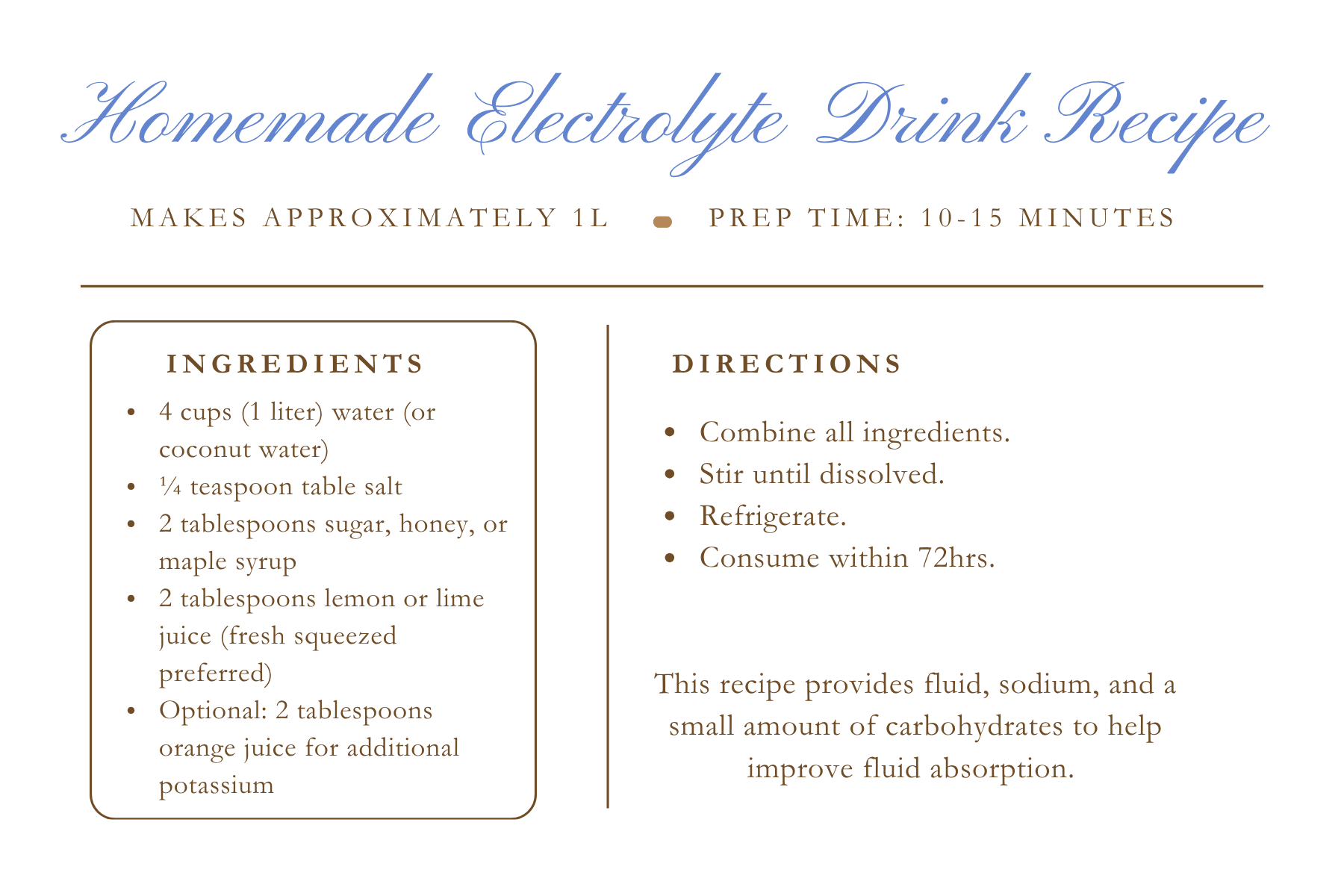
In many cases, plain water and a balanced diet or even a homemade electrolyte drink can meet hydration needs just as effectively at a fraction of the cost.
Third-party testing (especially for competitive athletes)
Look for certifications such as:
NSF Certified for Sport®
Informed Sport
Informed Choice
These certifications help ensure the product contains what is listed on the label and has been screened for substances prohibited in sport.
Many healthy individuals can meet their hydration needs with:
Water
Balanced meals
Fruits
Vegetables
Dairy foods
Soups
Lightly salted foods after prolonged exercise
Bottom Line
Electrolytes are essential minerals that help regulate hydration, muscle contraction, nerve signaling, and heart function. While they are critical for health, most people don't need electrolyte supplements every day.
Electrolyte beverages are most beneficial during prolonged exercise, heavy sweating, hot weather, gastrointestinal illness, or other situations involving significant fluid and mineral losses.
For day-to-day hydration, water paired with a nutrient-rich eating pattern is usually all your body needs.
If you're unsure whether electrolyte supplementation is appropriate for your activity level, health conditions, or medications, a registered dietitian can help you develop a hydration plan tailored to your individual needs.
Frequently Asked Questions (FAQ)
Is it okay to drink electrolytes every day?
For most healthy people, daily electrolyte drinks aren't necessary if you're eating a balanced diet and staying hydrated. Some people with high sweat losses, endurance training, or certain medical conditions may benefit, but routine use isn't needed for everyone.
What's the difference between sports drinks and electrolyte drinks?
Sports drinks typically contain electrolytes and carbohydrates to provide energy during prolonged exercise. Some electrolyte drinks focus primarily on replacing minerals with little or no added sugar.
Can you get electrolytes from food instead of drinks?
Yes. Foods such as dairy products, beans, potatoes, leafy greens, nuts, seeds, fruits, and table salt provide the major electrolytes your body needs.
Are electrolyte powders better than water?
Not necessarily. Water is sufficient for most daily hydration needs. Electrolyte powders are most beneficial when you've lost significant fluids and minerals through prolonged exercise, heavy sweating, or illness.
What is the best electrolyte drink?
The "best" electrolyte drink depends on your needs.
For everyday hydration: Plain water is usually the best choice.
For exercise lasting over 60–90 minutes: Choose an electrolyte drink containing approximately 300–700 mg sodium and 15–30 g carbohydrate per serving.
For illness with vomiting or diarrhea: An oral rehydration solution formulated according to medical guidelines is often more appropriate than a sports drink.
For heavy sweaters or endurance athletes: Higher-sodium products may be beneficial, especially in hot environments or during multi-hour events.
There is no single electrolyte drink that is best for everyone. The ideal choice depends on your activity level, sweat losses, health conditions, medications, and nutrition goals.
References
American College of Sports Medicine. (2021). ACSM's guidelines for exercise testing and prescription (11th ed.). Wolters Kluwer.
Academy of Nutrition and Dietetics, Dietitians of Canada, & American College of Sports Medicine. (2016). Position of the Academy of Nutrition and Dietetics, Dietitians of Canada, and the American College of Sports Medicine: Nutrition and athletic performance. Journal of the Academy of Nutrition and Dietetics, 116(3), 501–528. https://doi.org/10.1016/j.jand.2015.12.006
Baker, L. B. (2019). Physiology of sweat gland function: The roles of sweating and sweat composition in human health. Temperature, 6(3), 211–259. https://doi.org/10.1080/23328940.2019.1632145
Cheuvront, S. N., Kenefick, R. W., & Sawka, M. N. (2020). Hydration assessment of athletes. Sports Science Exchange, 29(194), 1–8.
Hooper, L., Bunn, D., Jimoh, F. O., & Fairweather-Tait, S. J. (2014). Water-loss dehydration and aging. Mechanisms of Ageing and Development, 136–137, 50–58. https://doi.org/10.1016/j.mad.2013.11.009
Institute of Medicine. (2005). Dietary Reference Intakes for Water, Potassium, Sodium, Chloride, and Sulfate. National Academies Press.
Kenefick, R. W. (2018). Drinking strategies: Planned drinking versus drinking to thirst. Sports Medicine, 48(Suppl. 1), 31–37. https://doi.org/10.1007/s40279-017-0844-6
Maughan, R. J., Shirreffs, S. M., & Watson, P. (2007). Exercise, heat, hydration and the brain. Journal of the American College of Nutrition, 26(5 Suppl.), 604S–612S. https://doi.org/10.1080/07315724.2007.10719661
Sawka, M. N., Burke, L. M., Eichner, E. R., Maughan, R. J., Montain, S. J., & Stachenfeld, N. S. (2007). Exercise and fluid replacement. Medicine & Science in Sports & Exercise, 39(2), 377–390. https://doi.org/10.1249/mss.0b013e31802ca597
Stookey, J. D. (2005). High prevalence of plasma hypertonicity among community-dwelling older adults: Results from NHANES III. Journal of the American Dietetic Association, 105(8), 1231–1239. https://doi.org/10.1016/j.jada.2005.05.003
World Health Organization. (2005). The treatment of diarrhoea: A manual for physicians and other senior health workers (4th rev. ed.). World Health Organization.
Casa, D. J., Stearns, R. L., Lopez, R. M., Ganio, M. S., McDermott, B. P., Walker Yeargin, S., ... Maresh, C. M. (2010). Influence of hydration on physiological function and performance during trail running in the heat. Journal of Athletic Training, 45(2), 147–156.
Thomas, D. T., Erdman, K. A., & Burke, L. M. (2016). Position of the Academy of Nutrition and Dietetics, Dietitians of Canada, and the American College of Sports Medicine: Nutrition and athletic performance. Journal of the Academy of Nutrition and Dietetics, 116(3), 501–528.
