Understanding DEXA Scans: Body Composition, Bone Density & What Your Results Mean
Most people think of stepping on a scale as the best way to measure their health. While weight can be one piece of the puzzle, it doesn't tell you how much muscle you have, where you store fat, or whether your bones are strong enough to support healthy aging.
That's where a DEXA (Dual-Energy X-ray Absorptiometry) scan can be incredibly valuable.
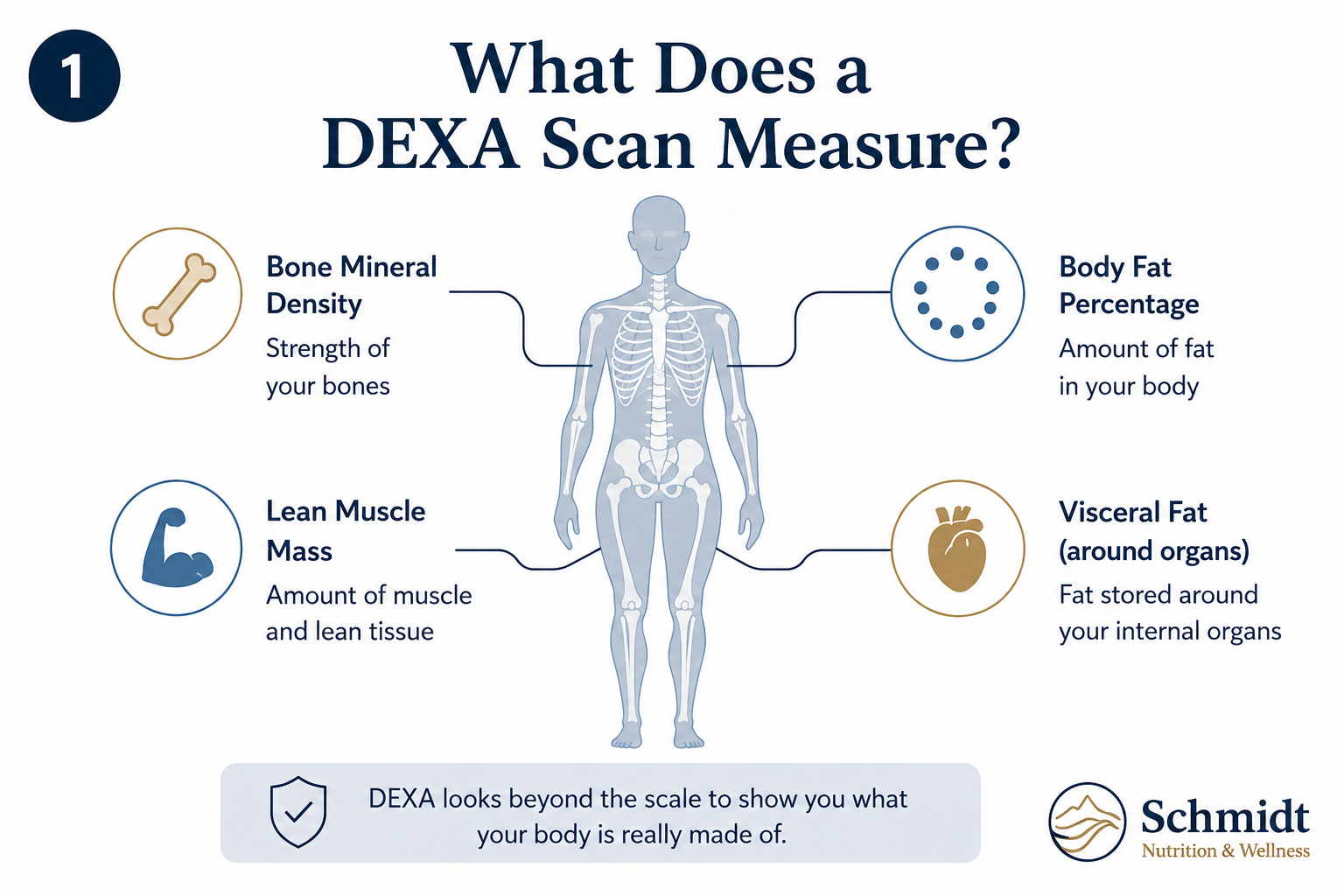
Originally developed to diagnose osteoporosis, DEXA technology has evolved into one of the most accurate methods available for measuring bone mineral density and body composition. Rather than focusing solely on weight, a DEXA scan provides a much more complete picture of your health by assessing bone mass, lean muscle, body fat percentage, and even visceral fat surrounding your organs.
Whether your goal is improving athletic performance, losing weight, preserving muscle as you age, or protecting your bone health, a DEXA scan can provide meaningful information that helps guide nutrition and lifestyle decisions.
Let's explore what a DEXA scan measures, who should consider getting one, and how you can use your results to support long-term health.
What Is a DEXA Scan?
A DEXA scan is a painless, non-invasive imaging test that uses two low-energy X-ray beams to distinguish between different tissues within the body.
Unlike a traditional X-ray, which primarily images bones, DEXA technology can differentiate between:
Bone mineral content
Lean muscle mass
Fat mass
Regional body fat distribution
The scan itself typically takes 10–20 minutes, requires no injections or contrast dye, and exposes you to very little radiation (approximately 1–6 microsieverts (µSv)) for a whole-body scan. For perspective, this is less radiation than many people receive during a single day of natural background exposure and substantially less than a chest X-ray or CT scan.
Because of its excellent precision and reproducibility, DEXA is considered the gold standard for measuring bone mineral density and one of the most validated tools for assessing body composition in both clinical practice and research.
Why Get a DEXA Scan?
One of the biggest advantages of a DEXA scan is that it moves beyond the limitations of body weight or BMI.
Two people can weigh exactly the same yet have dramatically different amounts of muscle, body fat, and bone density.
For example:
Someone may lose 10 pounds, but much of that weight loss comes from muscle rather than fat.
Another individual may gain several pounds while improving their health because they've added lean muscle and reduced visceral fat.
A person with a "normal" BMI may still carry excess visceral fat that increases their risk of cardiometabolic disease.
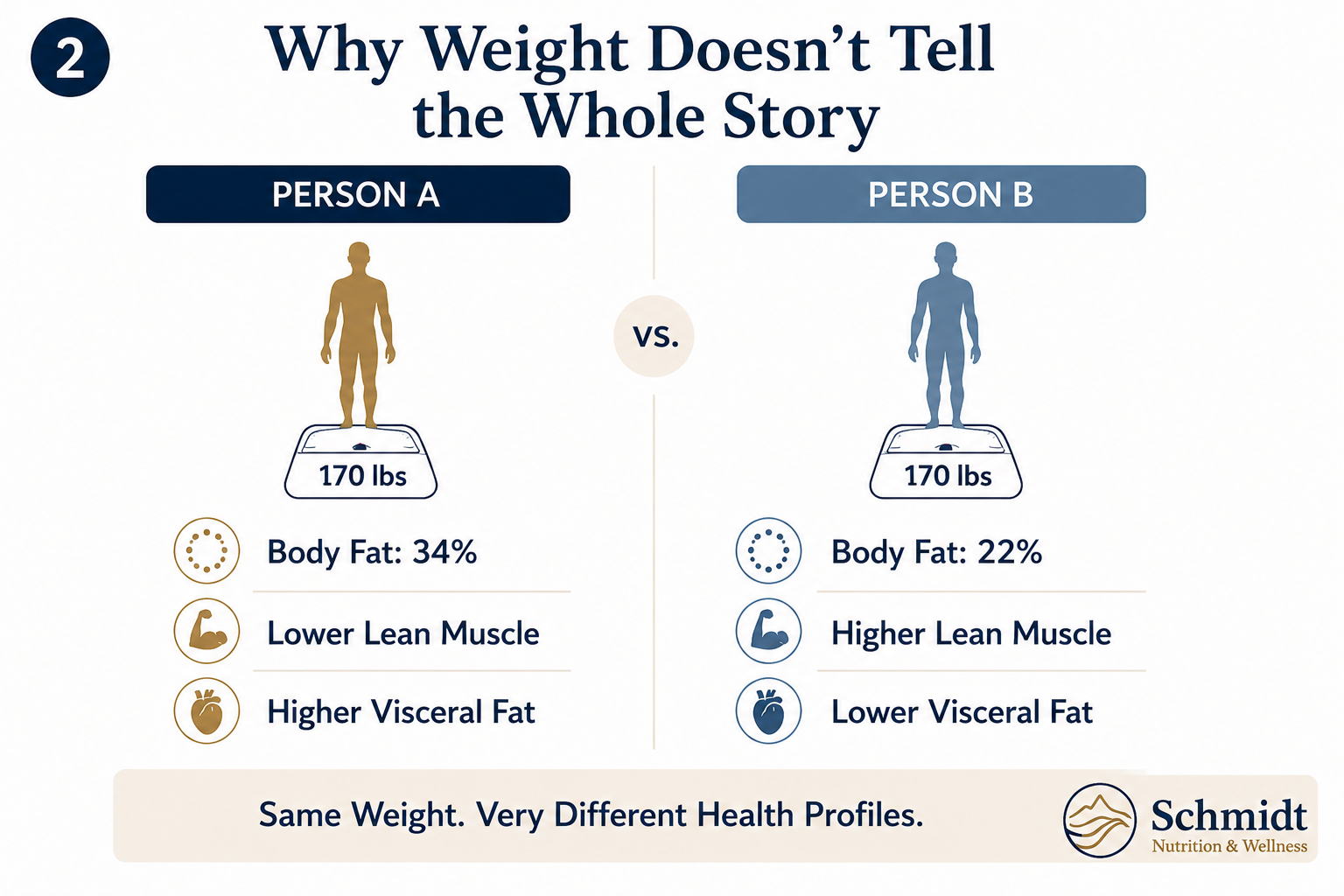
A DEXA scan helps answer questions the scale simply cannot.
It provides information about:
Total body fat percentage
Lean muscle mass
Bone mineral density
Visceral adipose tissue (VAT)
Regional fat distribution
Muscle symmetry between limbs
This information can be particularly valuable for:
Individuals pursuing weight loss
Athletes monitoring performance
Adults over 40 interested in healthy aging
Women approaching menopause
Individuals recovering from injury
People with chronic diseases affecting muscle or bone health
What Does a DEXA Scan Measure?
1. Bone Mineral Density (BMD)
Bone mineral density measures how much mineral is packed into your bones.
Lower bone density increases the likelihood of fractures and is an important marker for osteoporosis risk.
DEXA is considered the clinical gold standard for diagnosing:
Osteopenia
Osteoporosis
Monitoring treatment response
Maintaining healthy bone density becomes increasingly important with age because bone naturally remodels throughout life. Once bone breakdown begins to exceed bone formation, particularly after menopause, bone strength gradually declines.
2. Lean Muscle Mass
Lean mass includes:
Skeletal muscle
Organs
Body water
Other fat-free tissues
For most people, the muscle component is especially important.
Muscle influences:
Strength
Mobility
Balance
Blood sugar regulation
Resting metabolic rate
Functional independence
Research consistently shows that preserving muscle throughout adulthood lowers the risk of disability, frailty, falls, hospitalization, and mortality.
For athletes, lean mass measurements also help evaluate whether training programs are effectively building muscle.
3. Body Fat Percentage
Unlike many consumer body composition tools, DEXA directly estimates total body fat.
This provides a much more accurate assessment than BMI because BMI cannot distinguish between muscle and fat.
For example:
A strength athlete with substantial muscle mass may have a BMI classified as "overweight" despite having an excellent body composition.
Conversely, someone with a normal BMI may have relatively low muscle mass and higher body fat, a condition sometimes referred to as normal-weight obesity.
DEXA helps identify these differences.
4. Visceral Fat
One of the most valuable measurements from a body composition DEXA scan is visceral adipose tissue (VAT).
Unlike fat stored under the skin (subcutaneous fat), visceral fat surrounds organs such as the liver, pancreas, and intestines.
Higher visceral fat has been associated with increased risk of:
Type 2 diabetes
Cardiovascular disease
Insulin resistance
Metabolic syndrome
Non-alcoholic fatty liver disease
Because visceral fat is metabolically active, reducing it often improves health even if body weight changes very little.
5. Regional Body Composition
DEXA also breaks your body into regions, allowing clinicians to evaluate:
Arms
Legs
Trunk
Android (abdominal) fat
Gynoid (hips and thighs) fat
This information can help identify asymmetries after injury, monitor rehabilitation progress, and evaluate fat distribution patterns associated with metabolic disease.
For athletes, comparing right and left limb lean mass can also identify muscular imbalances that may increase injury risk or highlight opportunities for targeted strength training.
Understanding Your Bone Density Results
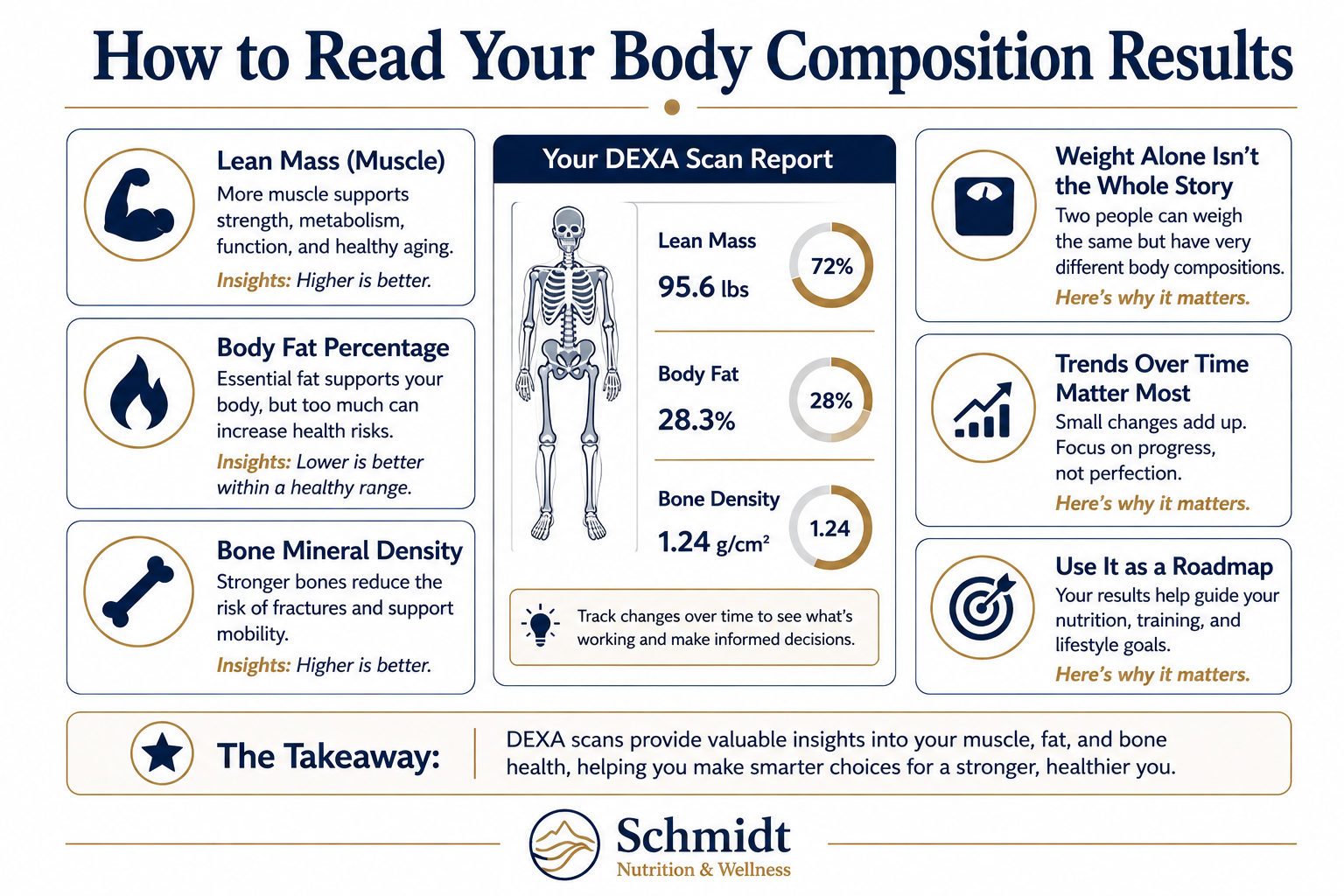
One of the most common questions after a DEXA scan is:
"What do all these scores mean?"
The two most important measurements are the T-score and Z-score.
T-Score
The T-score compares your bone density to that of a healthy young adult at peak bone mass.
According to the World Health Organization:
Normal: -1.0 or higher
Osteopenia: -1.0 to -2.5
Osteoporosis: -2.5 or lower
While these categories help assess fracture risk, your healthcare provider will also consider factors such as age, medical history, medications, family history, and prior fractures when determining your overall risk.
Z-Score
The Z-score compares your bone density to individuals of the same age and sex.
A Z-score may be especially useful in:
Premenopausal women
Men under age 50
Younger adults
Children and adolescents
A low Z-score suggests that bone density is lower than expected for someone with similar age and sex and may prompt further evaluation for underlying causes.
How Can You Use Your DEXA Results?
A DEXA scan is most valuable when it guides meaningful action—not simply because it provides numbers.
Think of it as a roadmap rather than a report card.
If Muscle Mass Is Low
Focus on:
Progressive resistance training 2–4 days per week
Consuming adequate protein throughout the day
Eating enough total calories to support muscle maintenance or growth
Prioritizing sleep and recovery
For many adults, aiming for approximately 1.2–1.6 g of protein per kilogram of body weight per day can help support muscle maintenance, while individuals actively building muscle or older adults may benefit from higher intakes under the guidance of a registered dietitian.
If Body Fat Is Elevated
Rather than chasing rapid weight loss, prioritize habits that improve body composition:
Resistance training
Regular physical activity
High-fiber foods
Adequate protein
Whole grains
Fruits and vegetables
Quality sleep
Stress management
Many people improve their metabolic health while losing relatively little weight because they are gaining muscle and reducing visceral fat.
If Bone Density Is Low
Lifestyle interventions become especially important.
These include:
Weight-bearing exercise
Resistance training
Adequate calcium intake
Vitamin D optimization
Sufficient dietary protein
Avoiding smoking
Limiting excessive alcohol intake
Identifying medical conditions that impair bone health
Women, Menopause, and Bone Health
Bone health deserves special attention for women.
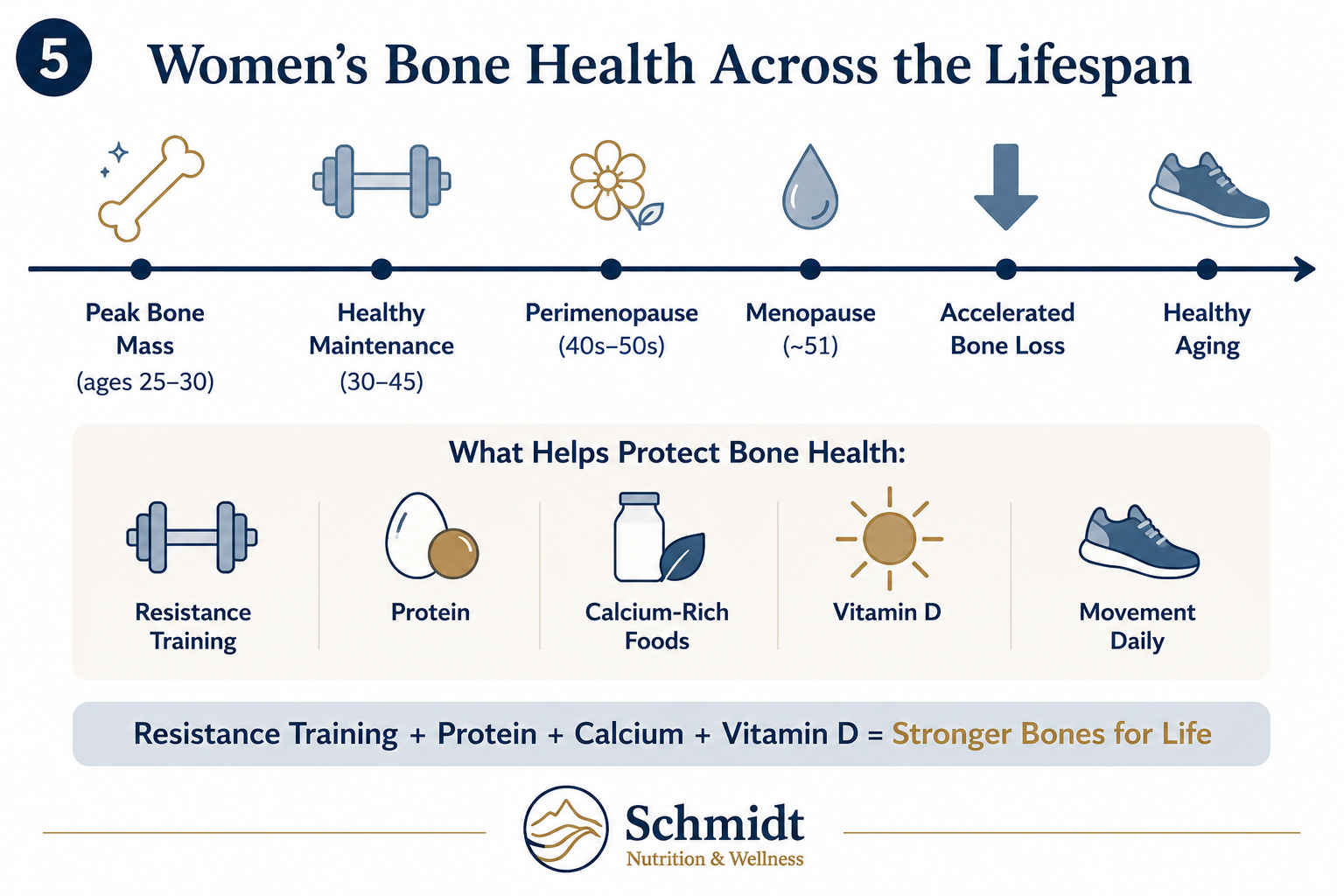
Peak bone mass is typically achieved by the late 20s to early 30s. After this point, maintaining bone becomes the priority.
During menopause, declining estrogen accelerates bone turnover, meaning bone is broken down faster than it is rebuilt. Women can lose a significant amount of bone during the years surrounding menopause, increasing the risk of osteoporosis and fractures later in life.
The good news is that lifestyle habits established before menopause can make a meaningful difference.
Research consistently supports:
Resistance training
Weight-bearing exercise
Adequate protein intake
Calcium-rich foods
Vitamin D sufficiency
Maintaining muscle mass
These habits don't just strengthen muscles, they also provide the mechanical loading bones need to stay healthy.
As I often tell my clients: building muscle today is also an investment in your bones tomorrow.
Should You Get a Baseline DEXA Scan Earlier in Life?
Current screening guidelines generally recommend bone density testing for:
Women aged 65 years and older
Postmenopausal women younger than 65 with increased fracture risk
Men with significant osteoporosis risk factors, based on clinical judgment
However, a baseline DEXA scan may be appropriate earlier in life for some individuals.
Examples include:
History of stress fractures
Eating disorders or chronic under-fueling
Relative Energy Deficiency in Sport (RED-S)
Amenorrhea or irregular menstrual cycles
Long-term corticosteroid use
Bariatric surgery
Celiac disease or inflammatory bowel disease
Hyperparathyroidism or other endocrine disorders
Strong family history of osteoporosis
Early menopause
Low-trauma fractures
For these individuals, earlier testing can identify concerns before fractures occur and provide a baseline for future monitoring.
For healthy young adults without risk factors, routine DEXA screening is not currently recommended, although body composition DEXA scans may still be useful for tracking muscle mass, fat distribution, or athletic performance.
The Bottom Line
A DEXA scan offers far more than a number on the scale.
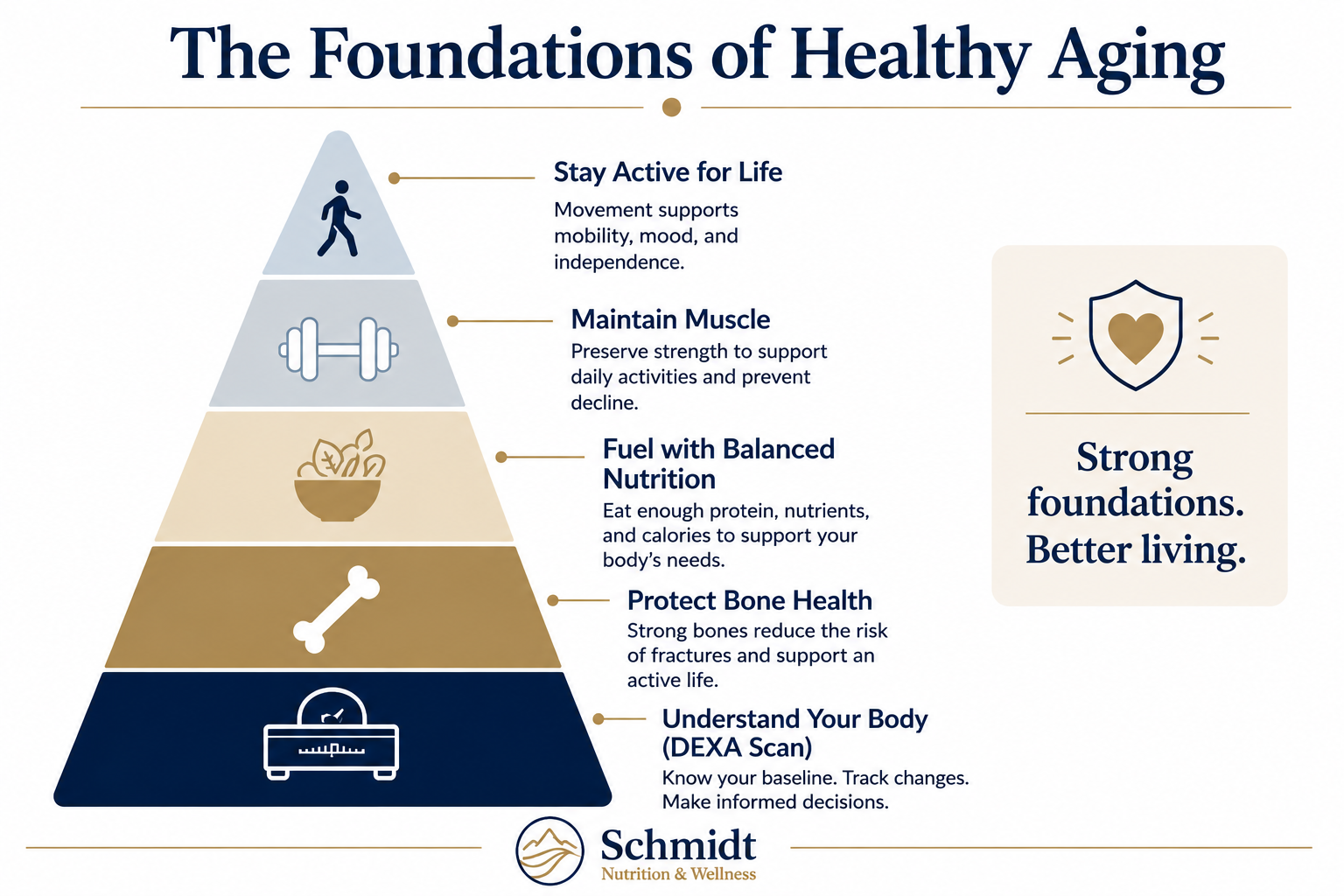
It provides a comprehensive look at your bone health, muscle mass, body fat, and fat distribution, allowing you and your healthcare team to make informed decisions about nutrition, exercise, and long-term health.
Whether your goal is preventing osteoporosis, preserving muscle as you age, improving athletic performance, or building a healthier body composition, the real value of a DEXA scan lies in what you do with the information.
Healthy aging isn't about staying the same weight, it’s about maintaining strong bones, preserving muscle, and supporting the metabolic health that allows you to continue doing the activities you love for years to come.
Key Takeaways
A DEXA scan is the gold standard for measuring bone mineral density and one of the most accurate tools for assessing body composition.
It measures bone density, lean muscle, body fat, visceral fat, and regional fat distribution.
Bone density testing is recommended for all women aged 65 and older and for younger postmenopausal women with increased fracture risk.
Some younger adults with medical conditions or significant risk factors may benefit from earlier testing.
DEXA results can help guide personalized nutrition, resistance training, and lifestyle interventions to improve long-term health.
Building muscle and protecting bone health go hand in hand, especially during and after menopause.
Frequently Asked Questions About DEXA Scans
Is a DEXA scan worth it?
For many people, yes. While a DEXA scan isn't necessary for everyone, it can provide valuable insights that a scale or BMI simply cannot.
A DEXA scan can help you understand:
How much of your weight is muscle versus fat
Whether you're losing fat or muscle during weight loss
Your bone health and fracture risk
How much visceral fat surrounds your organs
Whether your current nutrition and exercise program is working
Instead of focusing solely on weight, a DEXA scan helps you focus on body composition, which is often a better indicator of long-term health.
How often should you get a DEXA scan?
The answer depends on why you're having the scan.
If you're monitoring body composition, repeating a scan every 6–12 months is often sufficient to assess meaningful changes in muscle mass and body fat.
If you're monitoring bone mineral density, your healthcare provider will determine the appropriate interval based on your age, medical history, medications, and previous results. Many individuals with stable bone health may not need repeat testing for several years, whereas those receiving osteoporosis treatment or at higher fracture risk may require more frequent monitoring.
Because changes in bone occur gradually, repeating scans too frequently may not provide clinically meaningful information.
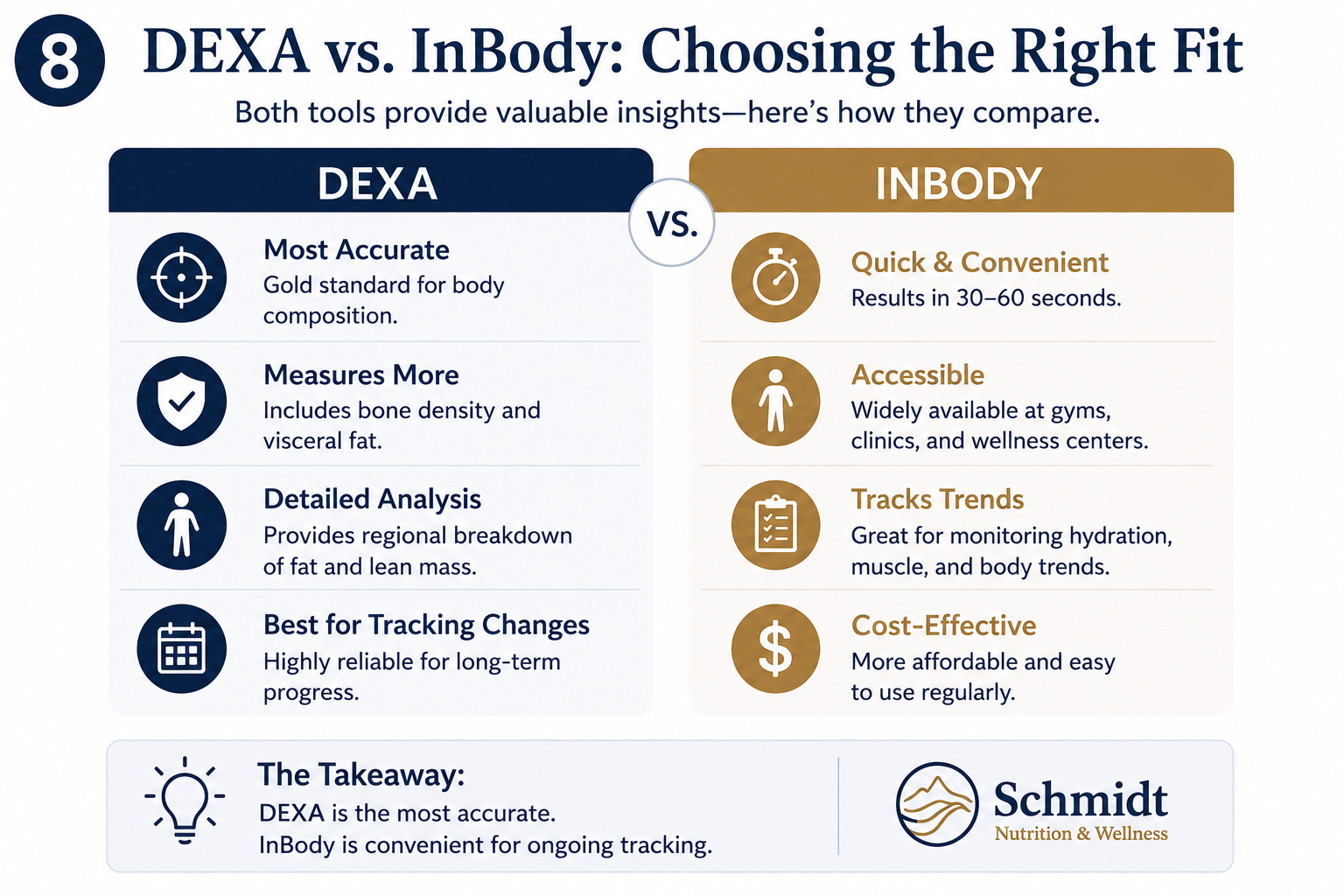
Is a DEXA scan more accurate than an InBody or bioelectrical impedance scale?
Generally, yes.
Bioelectrical impedance analysis (BIA), including many home scales and some commercial body composition devices, estimates body composition by measuring how electrical current travels through the body. While these tools can be useful for tracking trends, their results are influenced by hydration status, recent exercise, food intake, and even skin temperature.
DEXA directly measures body composition using low-dose X-rays and is considered one of the most accurate and reliable methods available in clinical and research settings.
That doesn't mean BIA devices have no value—they can still be helpful for monitoring progress over time when used consistently under similar conditions but DEXA provides greater precision, particularly when assessing lean muscle mass, fat distribution, and visceral fat.
Can a DEXA scan tell me if I'm healthy?
Not by itself.
A DEXA scan is one tool that provides valuable information about body composition and bone health, but it does not assess every aspect of health.
A complete picture should also consider:
Blood pressure
Blood work
Physical fitness
Nutrition habits
Sleep quality
Stress levels
Medical history
Mental well-being
Think of a DEXA scan as one important piece of the puzzle rather than the entire picture.
Can athletes benefit from DEXA scans?
Absolutely.
Athletes often use DEXA scans to monitor changes in lean muscle mass, identify side-to-side imbalances, evaluate whether training is producing the desired adaptations, and ensure weight changes are coming from the right tissues.
For endurance athletes, DEXA scans may also help identify concerns related to Relative Energy Deficiency in Sport (RED-S), particularly when combined with other clinical information.
Rather than focusing solely on body fat percentage, athletes can use DEXA results to guide fueling strategies, strength training, and recovery.
Does insurance cover DEXA scans?
Insurance coverage depends on the purpose of the scan.
When a DEXA scan is ordered to evaluate bone mineral density for osteoporosis screening or monitoring, many insurance plans, including Medicare for eligible individuals, provide coverage when clinical criteria are met.
However, whole-body body composition DEXA scans are typically considered elective wellness services and are often paid for out of pocket.
If you're considering a scan, check with both your healthcare provider and insurance company to understand potential costs and coverage.
Where Can You Get a DEXA Scan?
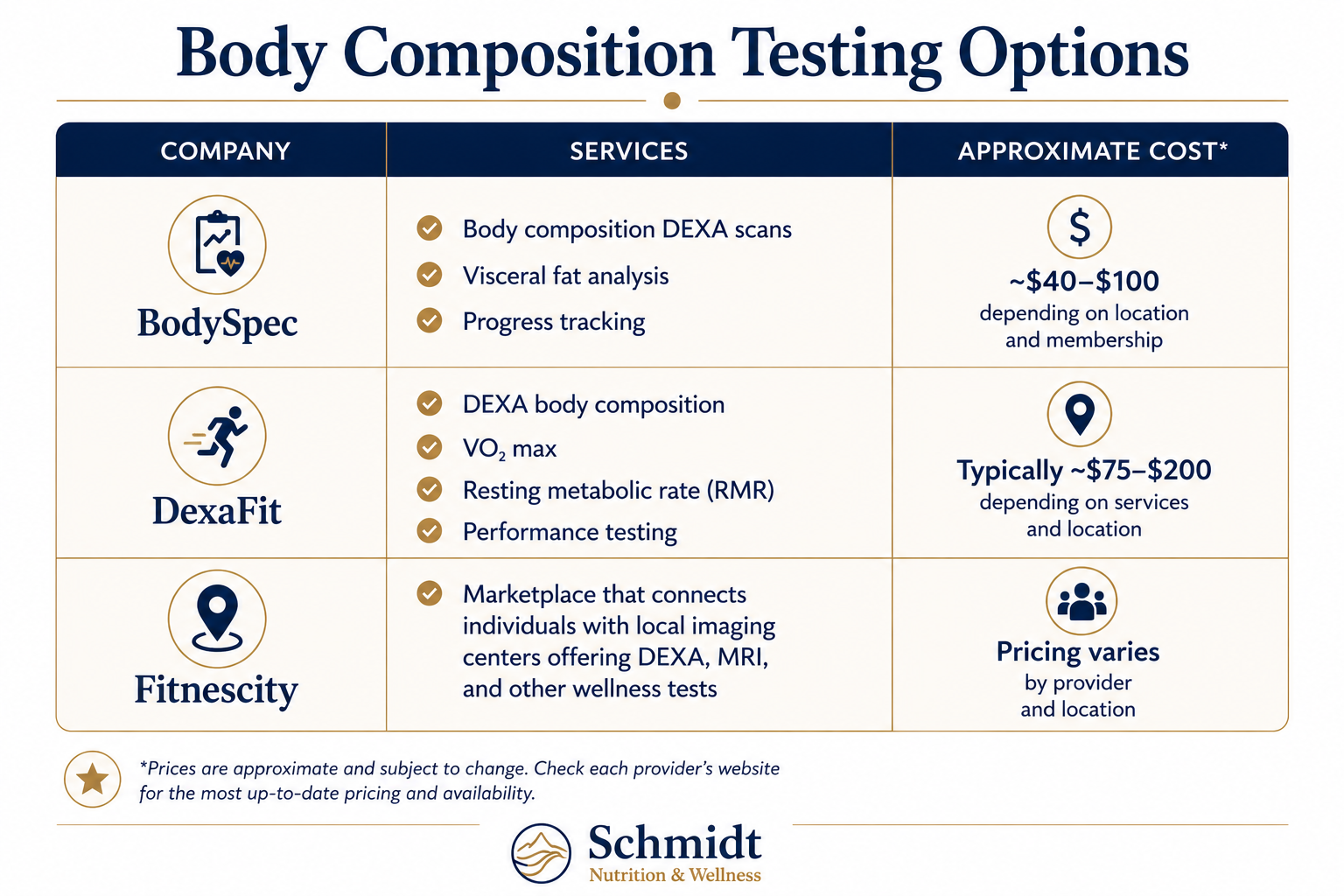
Many hospitals and imaging centers perform DEXA scans for bone density testing with a healthcare provider's referral. If you're interested in a body composition DEXA scan, there are also several companies that offer self-pay options without a referral.
Other Places to Check
Depending on where you live, you may also find DEXA body composition testing at:
University human performance laboratories
Sports medicine clinics
Exercise physiology laboratories
Hospital imaging departments
Independent radiology centers
Wellness and longevity clinics
Some locations offer package pricing that combines a DEXA scan with a VO2 max testing, resting metabolic rate (RMR), or metabolic health assessment, which can be a great option for athletes or individuals interested in a more comprehensive picture of their health.
How I Use DEXA Scans with My Clients
As a registered dietitian, I believe the value of a DEXA scan isn't simply in receiving the report, it's in understanding what the results mean and how to apply them.
Too often, people focus exclusively on body weight. However, the number on the scale doesn't tell us whether you're gaining muscle, losing visceral fat, preserving bone health, or making meaningful improvements in your overall health.
When appropriate, I use DEXA scan results to help clients:
Personalize Nutrition
A DEXA scan allows us to look beyond calories and evaluate whether your nutrition plan is supporting your specific goals.
Depending on your results, we may adjust:
Daily protein intake to support muscle maintenance or growth
Total calorie intake to prevent under-fueling
Calcium-rich foods and vitamin D intake to support bone health
Carbohydrate intake to optimize athletic performance and recovery
Meal timing to better support strength training and body composition goals
Rather than following generic nutrition advice, we can tailor recommendations based on your individual body composition.
Track Meaningful Progress
One of the most rewarding conversations I have with clients happens when the scale hasn't changed, but the DEXA scan has.
It's common to see improvements such as:
Increased lean muscle mass
Reduced visceral fat
Lower body fat percentage
Improved fat distribution
These changes may not be reflected in body weight alone, yet they often represent significant improvements in metabolic health and physical function.
This perspective can help shift the focus away from chasing a number on the scale and toward building a healthier, stronger body.
Support Healthy Aging
One of my greatest passions is helping individuals preserve their strength, independence, and quality of life as they age.
Muscle and bone health are closely connected. By identifying changes in lean mass or bone density early, we have an opportunity to implement nutrition and exercise strategies that support healthy aging long before significant problems develop.
Whether you're approaching menopause, recovering from an injury, beginning a strength training program, or simply looking to age well, understanding your body composition can help guide more informed decisions.
The Bottom Line
A DEXA scan is far more than a body fat test.
It is a comprehensive assessment of your body composition and bone health that can provide valuable insights into your current health and help shape your future.
When combined with individualized nutrition counseling, resistance training, and sustainable lifestyle habits, DEXA results become more than numbers, they become a roadmap for improving your health, performance, and longevity.
At Schmidt Nutrition & Wellness, my goal isn't simply to help you lose weight. I help you build a stronger, healthier body by using evidence-based nutrition strategies that support muscle, bone, metabolic health, and long-term well-being.
Take the Next Step Toward Better Health
A DEXA scan provides valuable information but the scan itself doesn't improve your health. The real value comes from understanding what the results mean and using them to make informed, sustainable lifestyle changes.
Whether your goal is to lose body fat, build muscle, improve athletic performance, protect your bones through menopause, or simply age with strength and confidence, your DEXA scan can serve as a roadmap rather than just another report.
As a Registered Dietitian Nutritionist, I help clients translate their DEXA results into personalized nutrition and lifestyle strategies that fit their goals, medical history, and daily lives. Together, we can evaluate whether you're consuming enough protein to preserve muscle, meeting your calcium and vitamin D needs, fueling your workouts appropriately, or making progress that isn't reflected by the number on the scale alone.
Remember, health is about much more than weight. Building strong bones, maintaining muscle, reducing visceral fat, and supporting your metabolic health are investments that can improve your quality of life for decades to come.
If you're interested in learning how your body composition can guide your nutrition plan, I'd love to help.
Schedule a consultation with Schmidt Nutrition & Wellness and let's build a plan based on your body, not just your weight.
References
American College of Sports Medicine. (2022). ACSM's guidelines for exercise testing and prescription (11th ed.). Wolters Kluwer.
Compston, J. E., McClung, M. R., & Leslie, W. D. (2019). Osteoporosis. The Lancet, 393(10169), 364–376. https://doi.org/10.1016/S0140-6736(18)32112-3
Gabel, L., et al. (2025). Does exercising during peri- or early post-menopause prevent bone and muscle loss? A systematic review. Bone.
International Society for Clinical Densitometry. (2023). 2023 ISCD Official Positions.https://iscd.org
Lewiecki, E. M., et al. (2024). Follow-up bone mineral density testing: 2023 Official Positions of the International Society for Clinical Densitometry. Journal of Clinical Densitometry, 27(1), 101440.
Shuhart, C. R., Yeap, S. S., Anderson, P. A., et al. (2019). Executive summary of the 2019 ISCD Position Development Conference on monitoring treatment, DXA reporting, fracture prediction, and peak bone mass. Journal of Clinical Densitometry, 22(4), 453–471.
U.S. Preventive Services Task Force. (2025). Screening for osteoporosis to prevent osteoporotic fractures: U.S. Preventive Services Task Force recommendation statement. JAMA.
Wang, Z., Zan, X., Li, Y., Lu, Y., & Xia, Y. (2023). Comparative efficacy of different resistance training protocols on bone mineral density in postmenopausal women: A systematic review and network meta-analysis. Frontiers in Physiology, 14, 1105303.
Weaver, C. M., Gordon, C. M., Janz, K. F., et al. (2016). The National Osteoporosis Foundation's position statement on peak bone mass development and lifestyle factors. Osteoporosis International, 27(4), 1281–1386.
Zhao, F., Su, W., Sun, Y., Wang, J., Lu, B., & Yun, H. (2025). Optimal resistance training parameters for improving bone mineral density in postmenopausal women: A systematic review and meta-analysis. Journal of Orthopaedic Surgery and Research, 20, 523.
Zhao, R., et al. (2023). Exercise training and bone mineral density in postmenopausal women: An updated systematic review and meta-analysis of intervention studies with emphasis on potential moderators. Osteoporosis International, 34, 1145–1178.
