Remedy or Myth? The Science Behind Home Remedies — Part 3
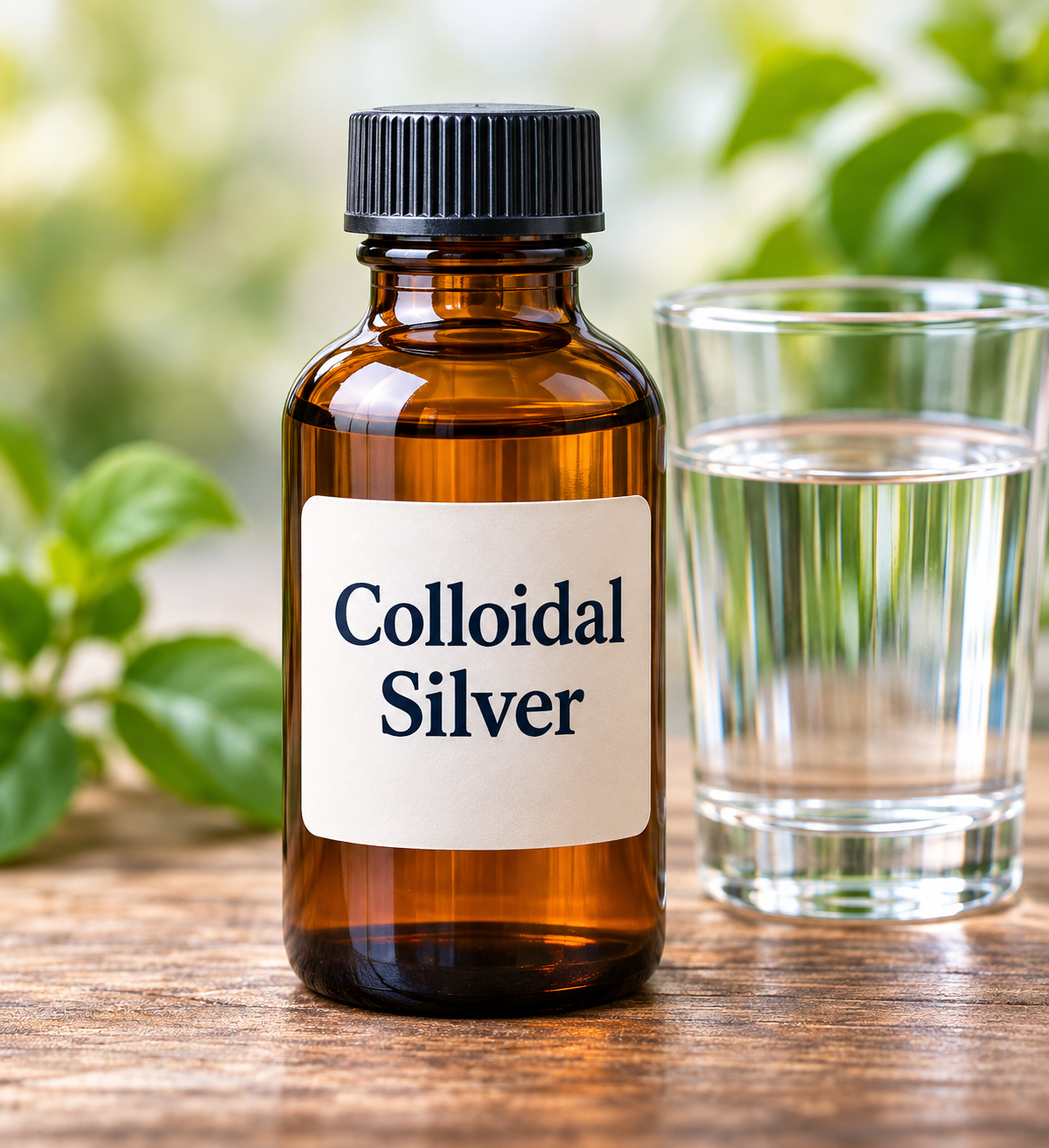
What if someone told you that drinking tiny particles of silver could help fight infections, prevent illness, and strengthen your immune system?
It may sound unusual, but colloidal silver has been marketed for exactly these purposes.
Unlike some traditional remedies that are primarily ineffective but relatively harmless in food amounts, colloidal silver raises more serious safety concerns.
So what does the research actually tell us?
What Is Colloidal Silver?
Colloidal silver is a liquid containing tiny particles of silver suspended in a solution, typically water.
Silver has a long history of medical use, particularly before modern antibiotics became widely available. Historically, silver-containing products were used for:
Wound care: Applied to wounds and burns to help prevent bacterial infections.
Eye infection prevention: Silver nitrate drops were once commonly used in newborns to prevent certain bacterial eye infections.
Infection management: Certain silver compounds were used as antiseptics before modern antibiotics became available.
Today, silver is still used in specialized medical products, including antimicrobial wound dressings and coatings on certain medical devices.
However, using silver in a medical dressing is very different from drinking colloidal silver.
These medical applications involve specific formulations and intended uses. Swallowing colloidal silver has no established health benefits and may cause silver to accumulate in body tissues.
Just because silver has antimicrobial properties does not mean it is safe or effective to consume.
Why Do People Believe It Works?
Silver ions can interfere with microbial structures and biological processes.
This has led researchers to investigate silver-containing materials for infection control and medical devices.
However, the fact that silver can inhibit microorganisms under certain conditions does not establish that swallowing silver particles can safely treat an infection.
What Does the Research Say?
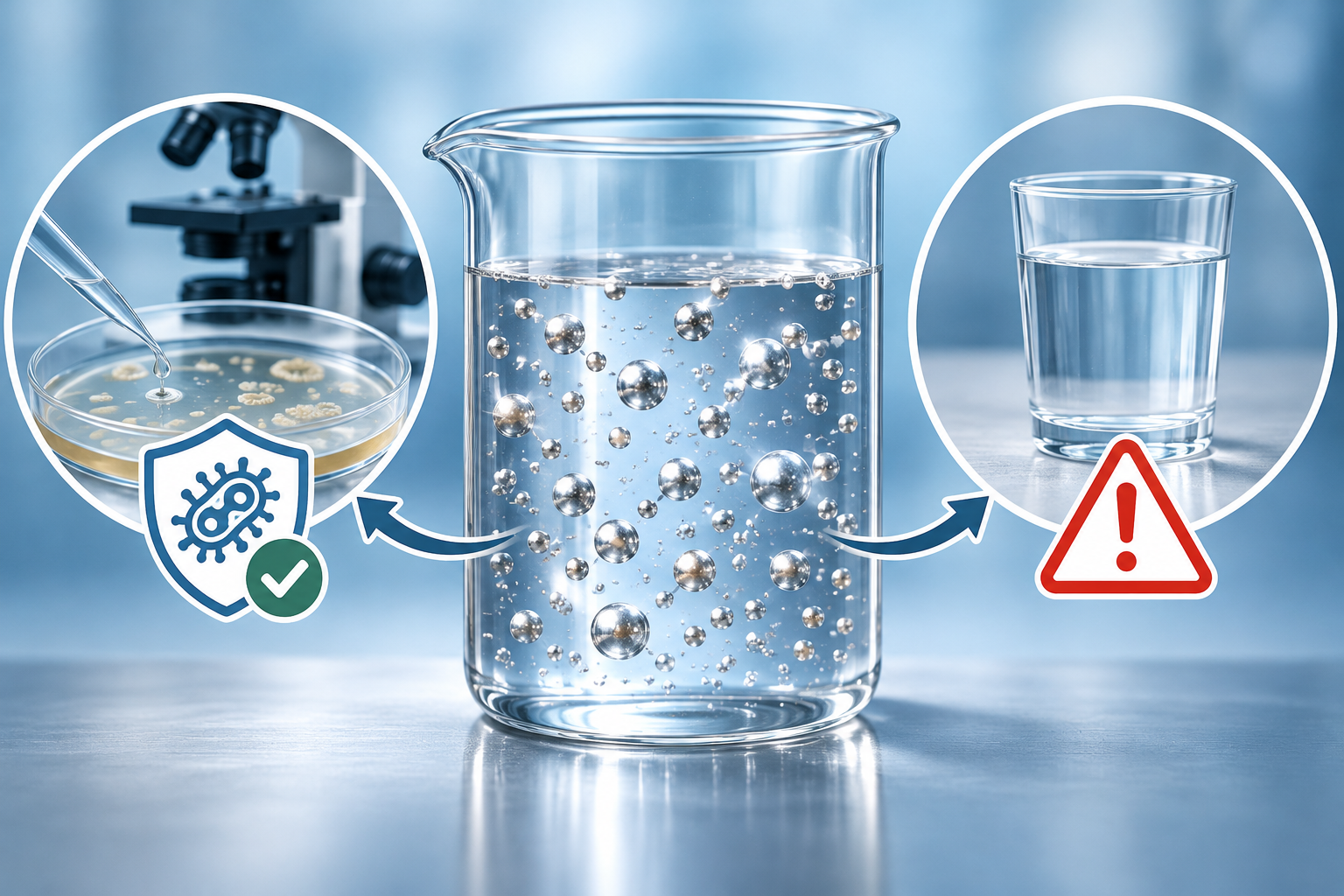
Although silver has demonstrated antimicrobial properties in laboratory studies, there is no convincing clinical evidence that consuming colloidal silver prevents illness, strengthens immunity, or treats infections.
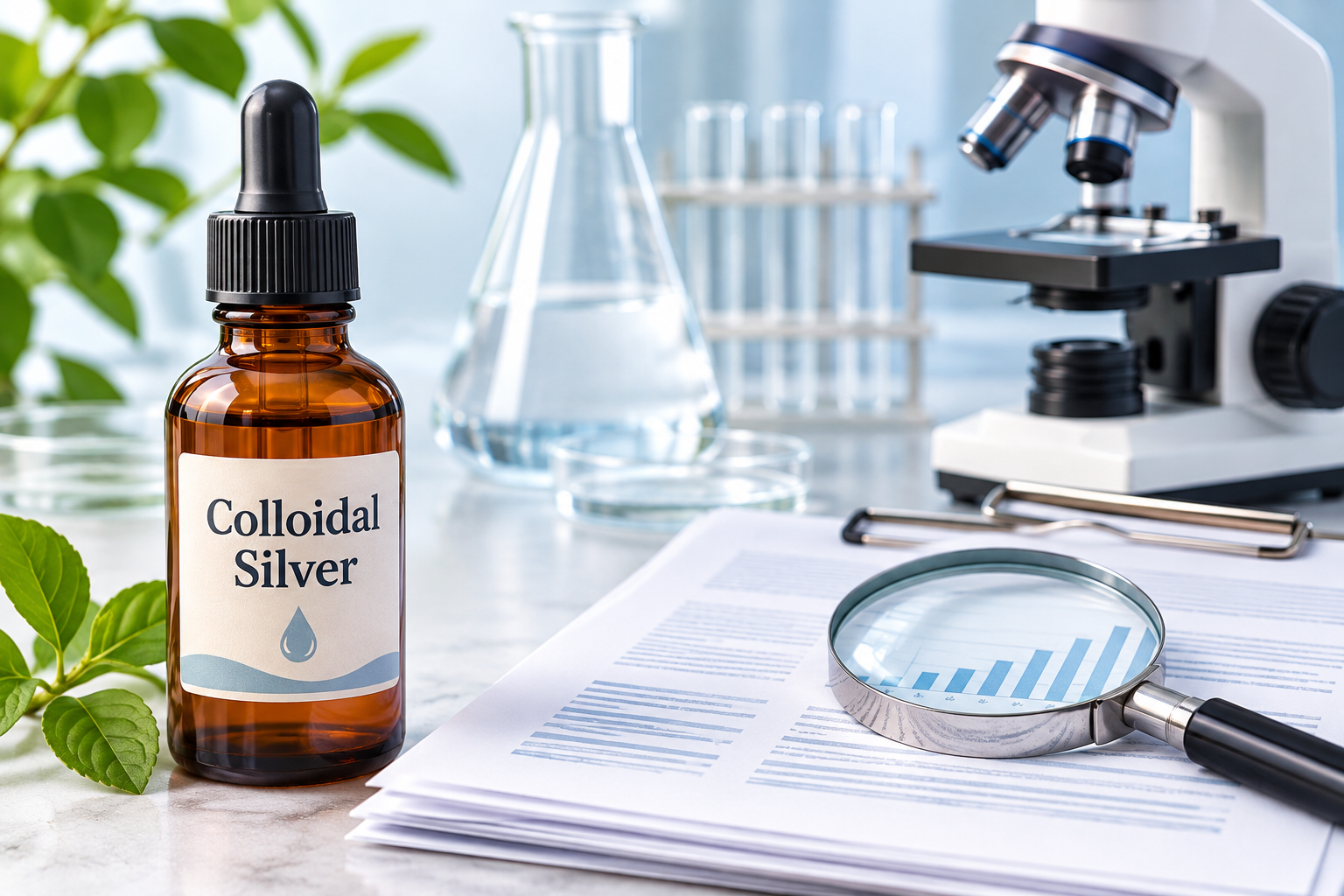
According to the National Center for Complementary and Integrative Health (NCCIH, n.d.), colloidal silver has not been shown to be effective in treating any disease.
Laboratory Findings vs. Human Studies
Laboratory research has demonstrated that certain silver particles can interfere with bacteria and viruses. However, results observed in a laboratory do not necessarily translate into safe or effective treatments for humans.
A substance may inhibit microorganisms under controlled conditions without providing the same benefits when consumed. Researchers must also consider whether an effective dose can be achieved without causing harm.
What Have Human Studies Found?
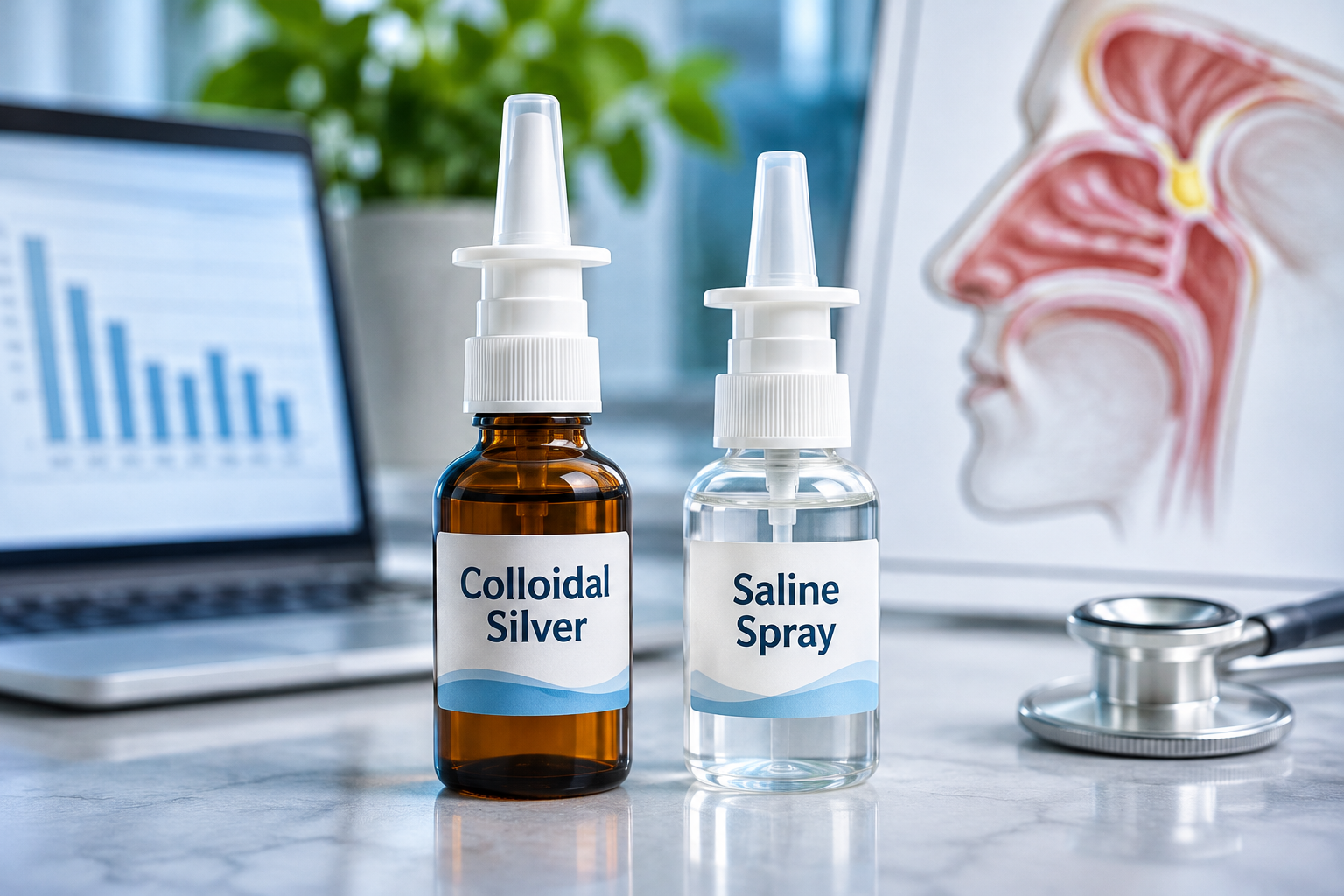
A 2017 randomized crossover trial examined colloidal silver nasal spray in 20 individuals with treatment-resistant chronic sinusitis.
Participants used colloidal silver and saline nasal sprays during separate six-week treatment periods.
Researchers found no statistically significant improvements in sinus symptoms or clinical examination findings with colloidal silver compared with saline (Scott et al., 2017).
Although this was a small study examining nasal administration rather than ingestion, its findings do not support colloidal silver as an effective treatment for chronic sinusitis.
Does Colloidal Silver Support Immunity?
Despite marketing claims, there is no reliable human evidence that taking colloidal silver improves immune function, reduces the likelihood of infections, or shortens illness duration.
Unlike essential minerals such as zinc and iron, silver has no known biological function or dietary requirement in the human body.
Additionally, there is insufficient high-quality human research to establish a safe and effective oral dose.
What Does This Mean?
While silver's antimicrobial properties have legitimate medical applications, these findings do not justify consuming colloidal silver.
The research does not support oral colloidal silver for preventing or treating illness, and its documented safety risks make ingestion particularly concerning.
Potential Safety Risks
Argyria: Potentially Permanent Skin Discoloration
One of the best-documented complications is argyria.
This condition occurs when silver accumulates in body tissues, causing the skin to develop a bluish-gray discoloration.
The discoloration is generally permanent (NCCIH, n.d.).
Medication Interactions
Colloidal silver may interfere with the absorption of certain medications, including some antibiotics and levothyroxine, a medication used to replace thyroid hormone.
Reduced medication absorption can interfere with treatment effectiveness.
Potential Organ and Nervous System Effects
Silver exposure may contribute to kidney, liver, or nervous system problems.
The likelihood and severity of these effects may depend on the product, amount consumed, duration of exposure, and individual susceptibility.
Uncertain Product Quality
Over-the-counter and homemade colloidal silver preparations can vary in concentration, particle size, and composition.
This makes it difficult to predict exposure or potential harm.
What Does the FDA Say?
The U.S. Food and Drug Administration determined that over-the-counter colloidal silver products marketed for treating or preventing diseases are not generally recognized as safe and effective (U.S. Food and Drug Administration [FDA], 1999).
This is an important reminder that a product being available for purchase does not mean its health claims have been scientifically established.
Are There Any Legitimate Medical Uses for Silver?
Yes.
Certain silver-containing wound dressings and medical products have specialized applications.
However, those applications do not demonstrate that ingesting colloidal silver can treat infections.
Medical use of a substance in one form does not establish that every form or route of administration is safe.
The Verdict
Evidence rating: Potentially harmful — not recommended for ingestion.
Colloidal silver has no established clinical benefit when consumed to treat infections and carries documented risks.
The potential harms outweigh its unproven benefits.
The Bottom Line
Just because a substance has antimicrobial properties does not mean it belongs inside the human body.
Colloidal silver is an important example of why safety research matters just as much as effectiveness research.
Do not ingest colloidal silver to prevent or treat illness. If you are currently using it, discuss the potential risks with your physician or pharmacist. Never replace prescribed medical treatment with colloidal silver.
References
Memorial Sloan Kettering Cancer Center. (2025, May 23). Colloidal silver. https://www.mskcc.org/cancer-care/integrative-medicine/herbs/colloidal-silver
National Center for Complementary and Integrative Health. (2023). Colloidal silver: What you need to know. National Institutes of Health. https://www.nccih.nih.gov/health/colloidal-silver-what-you-need-to-know
Scott, J. R., Krishnan, R., Rotenberg, B. W., & Sowerby, L. J. (2017). The effectiveness of topical colloidal silver in recalcitrant chronic rhinosinusitis: A randomized crossover control trial. Journal of Otolaryngology - Head & Neck Surgery, 46, Article 64. https://doi.org/10.1186/s40463-017-0241-z
U.S. Food and Drug Administration. (1999). Over-the-counter drug products containing colloidal silver ingredients or silver salts. Federal Register, 64, 44653–44658. https://www.govinfo.gov/content/pkg/FR-1999-08-17/pdf/99-21253.pdf
This article is intended for educational purposes and does not replace individualized medical advice, diagnosis, or treatment.
