Remedy or Myth? The Science Behind Home Remedies — Part 2
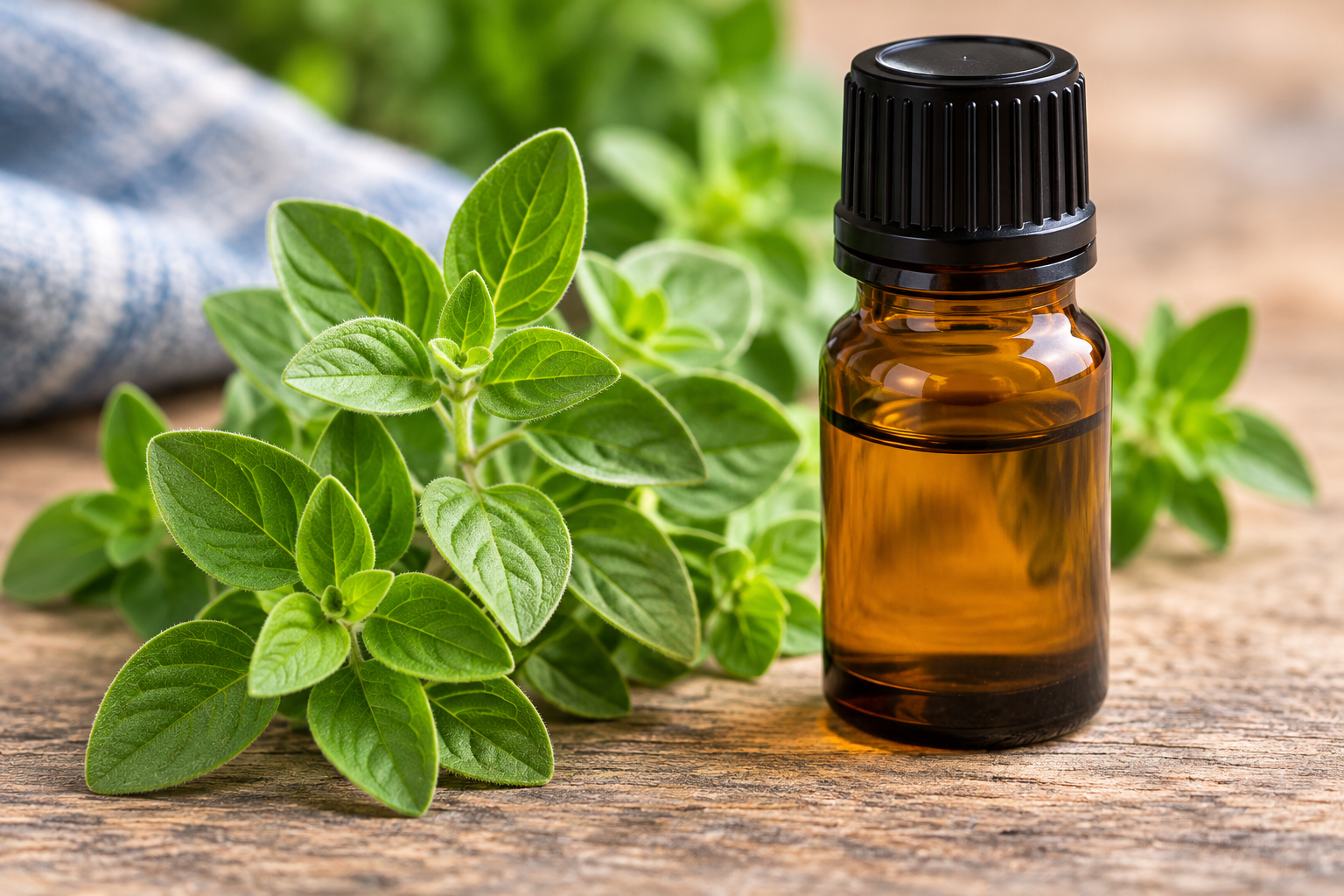
You've probably heard someone describe oregano oil as "nature's antibiotic."
It's a popular claim, particularly on social media, where concentrated herbal extracts are often promoted as alternatives to conventional medications.
But what does it actually mean for something to have antimicrobial properties? And can those properties help treat an infection inside the human body?
What Is Oregano Oil?
Oregano is an herb commonly used in Mediterranean cooking.
Its essential oil contains natural compounds, including carvacrol and thymol, that researchers have studied for their potential antimicrobial properties.
But what does antimicrobial mean? An antimicrobial is something that can kill or slow the growth of tiny organisms, such as bacteria and certain fungi. However, just because something has antimicrobial properties in a laboratory doesn't mean it can safely or effectively treat an infection in humans.
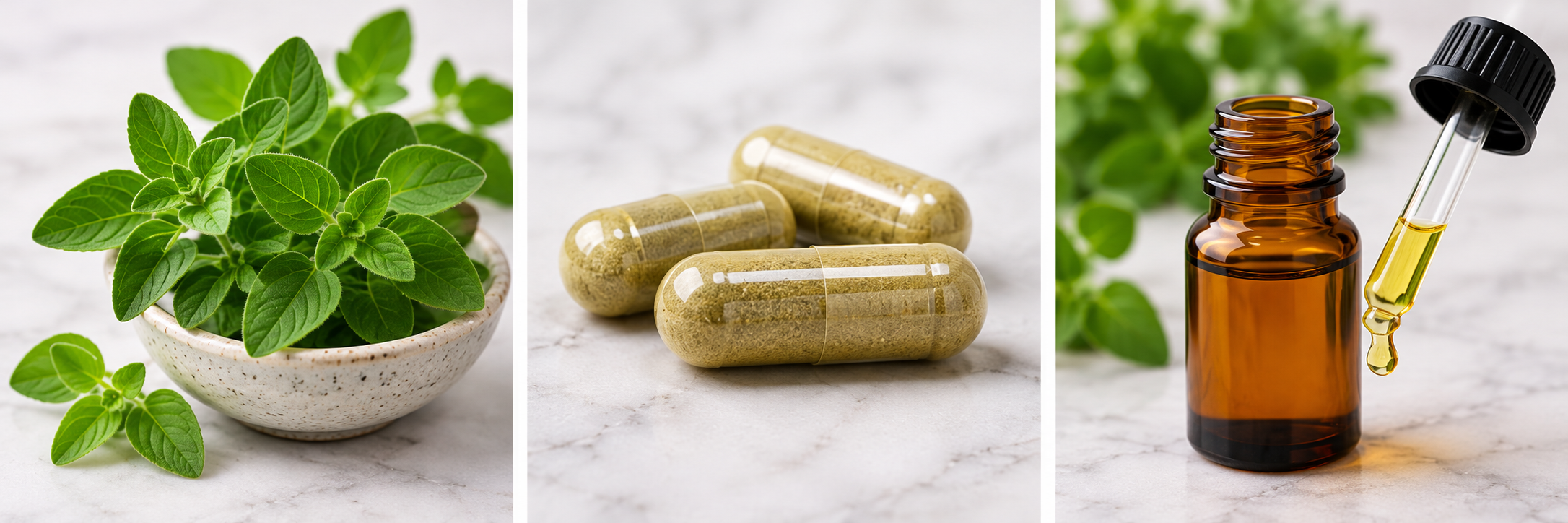
It's also important to understand that oregano used in cooking, oregano supplements, and concentrated oregano essential oils are very different products. They contain different amounts of active compounds and may have different effects and safety risks.
What Does the Research Show?

In a 2025 study, researchers looked at whether oregano essential oil and its natural compounds could fight certain types of bacteria. They found that oregano oil showed antibacterial effects in laboratory tests. They also found promising results when carvacrol, a compound in oregano oil, was combined with an antibiotic to treat an infection in mice (Tao et al., 2025).
While these findings are encouraging, they don't mean that taking oregano oil can treat bacterial infections in humans.
Here's why that matters.
In a laboratory, researchers can apply specific amounts of oregano oil directly to bacteria to see what happens. However, the human body is much more complicated.
When we swallow something, our body must digest it, absorb it, and move it to where it's needed. For oregano oil to work as a treatment, enough of its active compounds would need to reach the infection without causing harm.
Something that works in a laboratory doesn't always work the same way in the human body.
According to the National Institutes of Health (NIH), oregano has shown antimicrobial properties in laboratory studies, but there isn't enough evidence to show that these effects can successfully treat infections in humans (NIDDK, 2023).
In other words, oregano oil shows potential, but we still need well-designed human studies to determine whether it's both safe and effective for treating infections.
What About Garlic?
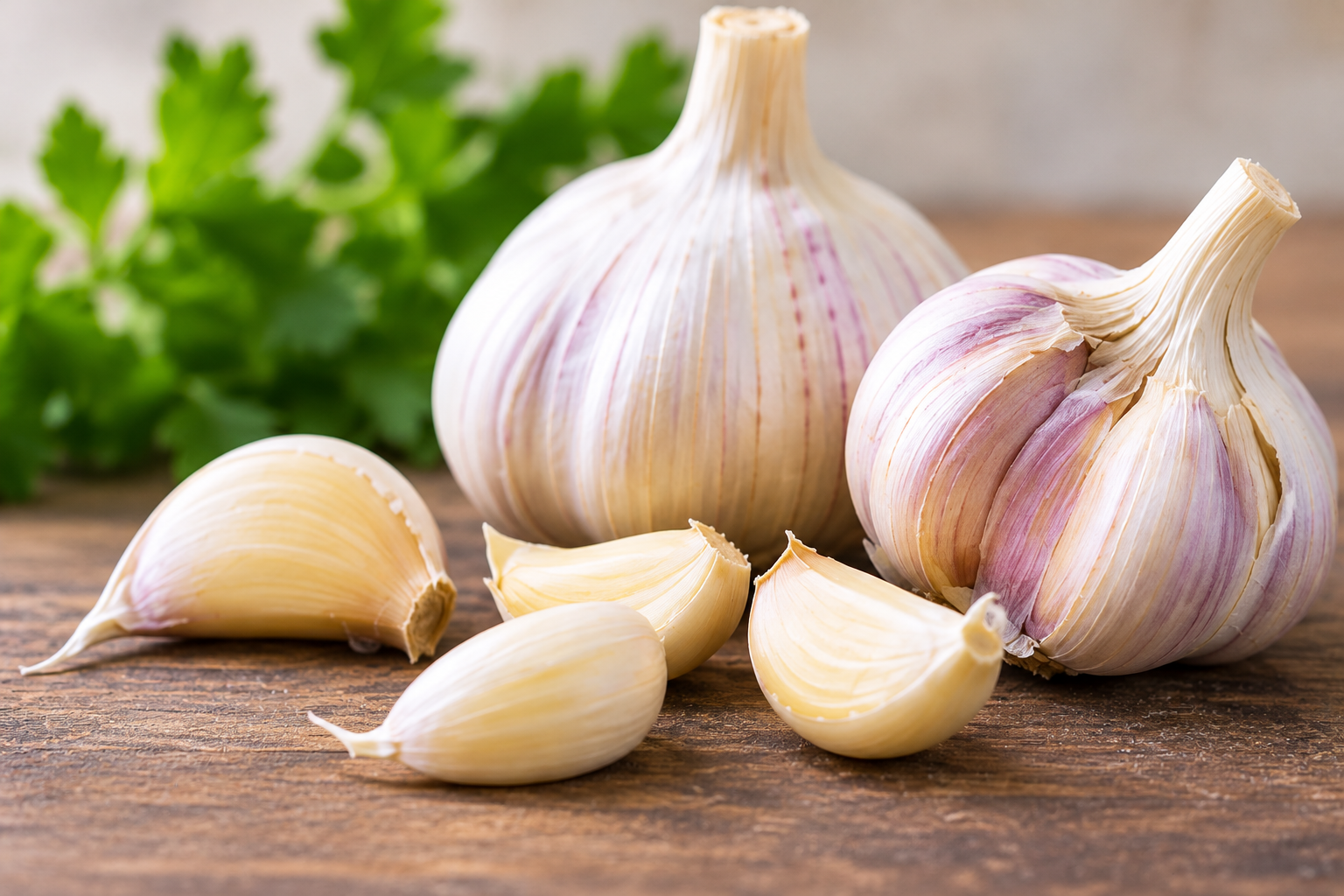
Garlic contains natural compounds that have been shown to slow or stop the growth of certain bacteria and other microorganisms in laboratory studies.
But does that mean eating garlic or taking garlic supplements can help fight off an infection?
Not necessarily.
A Cochrane review, which examines research from multiple studies, found that there wasn't enough high-quality evidence to show that garlic supplements can prevent or treat the common cold (Lissiman et al., 2014).
This doesn't mean garlic isn't good for you! Garlic can be a nutritious addition to your diet and contains compounds that may offer health benefits.
However, there's a difference between a food having potential health benefits and being able to treat an infection. At this time, research doesn't support using garlic supplements as a replacement for appropriate medical treatment.
Can Natural Antimicrobials Replace Antibiotics?
The short answer is no.
Antibiotics are medications designed to treat certain bacterial infections. They have been carefully studied to determine how well they work, how much should be taken, and whether they are safe.
However, antibiotics don't work against viruses, such as those that cause the common cold or flu.
While natural remedies like oregano oil and garlic may show promising results in laboratory studies, there isn't enough evidence to show they can safely and effectively replace antibiotics.
If an antibiotic is needed to treat an infection, replacing it with an unproven natural remedy could allow the infection to get worse or lead to serious complications.
Potential Safety Risks
Just because something is natural doesn't always mean it's safe.
While oregano is generally safe when used in normal amounts in cooking, concentrated oregano oil and supplements are much stronger and may come with some risks.
Possible side effects include:
Upset stomach: Nausea, vomiting, stomach pain, or discomfort.
Heartburn: Oregano oil may trigger or worsen acid reflux.
Allergic reactions: Some people may be sensitive or allergic to oregano.
Skin and mouth irritation: Concentrated essential oils can irritate or even damage the skin and tissues in the mouth and throat.
Different product strengths: Not all oregano oil products contain the same amount of active compounds, making it difficult to know how much you're getting.
There are also some important safety concerns to consider.
Researchers haven't adequately studied the safety of taking medicinal amounts of oregano oil during pregnancy or breastfeeding. We also don't have enough reliable research to know whether taking oregano oil supplements for long periods is safe or how they might interact with certain medications.
It's important to remember that concentrated oregano essential oil should not be swallowed as a home treatment. Doing so can cause serious irritation or poisoning.
If you're considering oregano oil supplements, speak with your healthcare provider or pharmacist first, especially if you take medications or have an existing health condition.
The Verdict
Evidence rating: Promising laboratory findings, but insufficient human clinical evidence.
Oregano oil contains biologically active compounds, and laboratory research provides a reasonable basis for continued investigation.
However, we do not have convincing clinical evidence that oregano oil supplements prevent or treat common respiratory or bacterial infections in humans.
The Bottom Line

Natural products can contain powerful compounds. Many modern medications originated from substances found in nature.
But determining whether something works as a medicine requires more than demonstrating biological activity.
We need well-designed human clinical trials that evaluate meaningful health outcomes and establish safe dosing.
Until then, oregano oil should not be considered an established infection treatment.
Discuss oregano oil, garlic supplements, and other concentrated herbal preparations with your physician or pharmacist before using them. Never substitute an unproven supplement for prescribed medication.
References
Lissiman, E., Bhasale, A. L., & Cohen, M. (2014). Garlic for the common cold. Cochrane Database of Systematic Reviews, 2014(11), Article CD006206. https://doi.org/10.1002/14651858.CD006206.pub4
National Institute of Diabetes and Digestive and Kidney Diseases. (2023). Oregano. In LiverTox: Clinical and research information on drug-induced liver injury. National Library of Medicine. https://www.ncbi.nlm.nih.gov/books/NBK591556/
Tao, L., et al. (2025). Antibacterial activities of oregano essential oils and their active components. Frontiers in Pharmacology, 16, Article 1579283. https://doi.org/10.3389/fphar.2025.1579283
Editorial note: Expand the Tao et al. reference to include all seven authors before publishing to meet APA 7 requirements.
This article is intended for educational purposes and does not replace medical evaluation or treatment.
