The science behind turkey, carbohydrates, holiday weight gain, and the infamous Thanksgiving food coma.
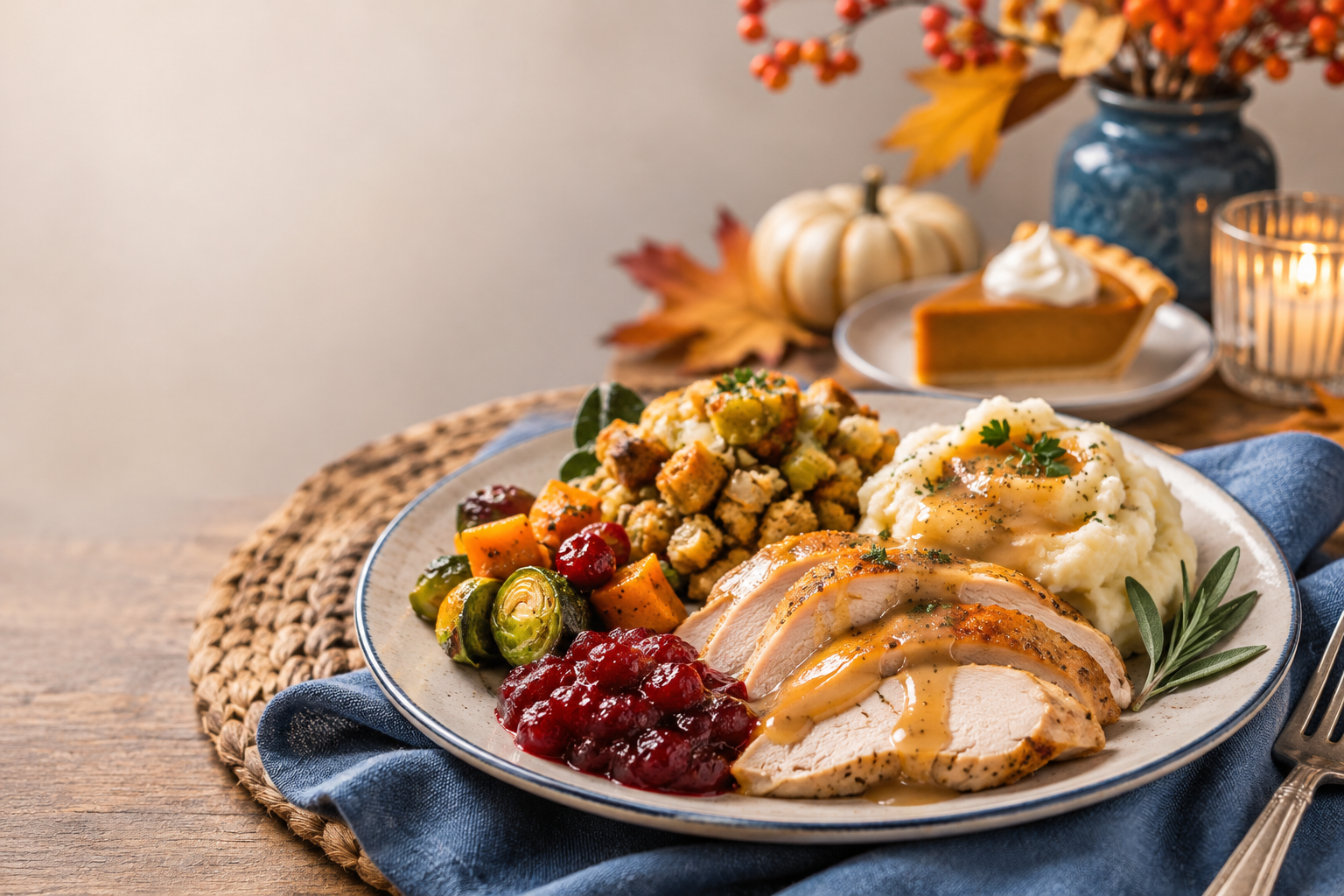
Thanksgiving is a holiday centered around food, family, and tradition. From roasted turkey and mashed potatoes to stuffing and pumpkin pie, many of us look forward to dishes that only make an appearance once or twice a year.
Unfortunately, Thanksgiving also comes with plenty of nutrition advice that isn't necessarily supported by science.
You've probably heard that turkey makes you sleepy, that you should skip breakfast to save calories, or that you need to exercise extra hard to make up for your holiday meal.
But how much of this advice is actually true?
As a registered dietitian, I believe understanding the science behind nutrition can help us make informed decisions without unnecessary restrictions or guilt.
Let's examine seven common Thanksgiving nutrition myths and what the research actually tells us.
Myth #1: Turkey Makes You Sleepy Because It Contains Tryptophan
The myth: Eating turkey causes the infamous Thanksgiving food coma because it contains high amounts of tryptophan.
The science: There's some truth to this, but turkey isn't necessarily the culprit.
Tryptophan is an essential amino acid, meaning our bodies cannot produce it and must obtain it through food. It plays a role in producing serotonin, a neurotransmitter involved in mood regulation, and melatonin, a hormone that helps regulate our sleep-wake cycle.
However, turkey isn't uniquely high in tryptophan. Other protein-rich foods, including chicken, fish, eggs, dairy products, and soy, also contain this amino acid.
According to Harvard Health Publishing (2026), the amount of tryptophan consumed in a typical serving of turkey is unlikely to produce a significant sedating effect.
So why do we feel sleepy after Thanksgiving dinner?
Several factors may contribute:
Large meal size: Eating a substantial meal can increase feelings of fullness, sluggishness, and post-meal sleepiness.
Carbohydrate-rich foods: Carbohydrates stimulate insulin release, which can influence the availability of tryptophan to the brain. However, the relationship between carbohydrate intake and sleepiness is more complicated than simply eating carbohydrates and becoming tired.
Alcohol consumption: Alcohol can increase drowsiness.
Holiday fatigue: Cooking, traveling, entertaining, and changes in sleep schedules can leave us feeling exhausted before dinner even begins.
The takeaway: Turkey contains tryptophan, but it probably isn't the primary reason you're falling asleep on the couch. Your overall meal, alcohol intake, and sleep patterns are more likely contributors.
Myth #2: Skipping Breakfast Saves Calories for Thanksgiving Dinner
The myth: If you're planning to eat a large Thanksgiving dinner, skipping breakfast is the best way to compensate for the additional calories.
The science: Skipping breakfast isn't automatically harmful, but it isn't necessarily the most helpful strategy for managing hunger and enjoying a holiday meal.
Our bodies rely on hunger and fullness signals to help regulate food intake. Going an extended period without eating may increase hunger, potentially making it more difficult to recognize comfortable fullness later.
However, research on breakfast skipping and total calorie intake is mixed.
A systematic review and meta-analysis of randomized controlled trials found that skipping breakfast was associated with a small reduction in body weight, although it did not demonstrate a significant improvement in body fat percentage (Bonnet et al., 2020).
This highlights an important distinction: skipping breakfast does not automatically cause overeating, nor does eating breakfast guarantee better weight management.
Individual hunger patterns, meal timing, dietary habits, and medical needs all matter.
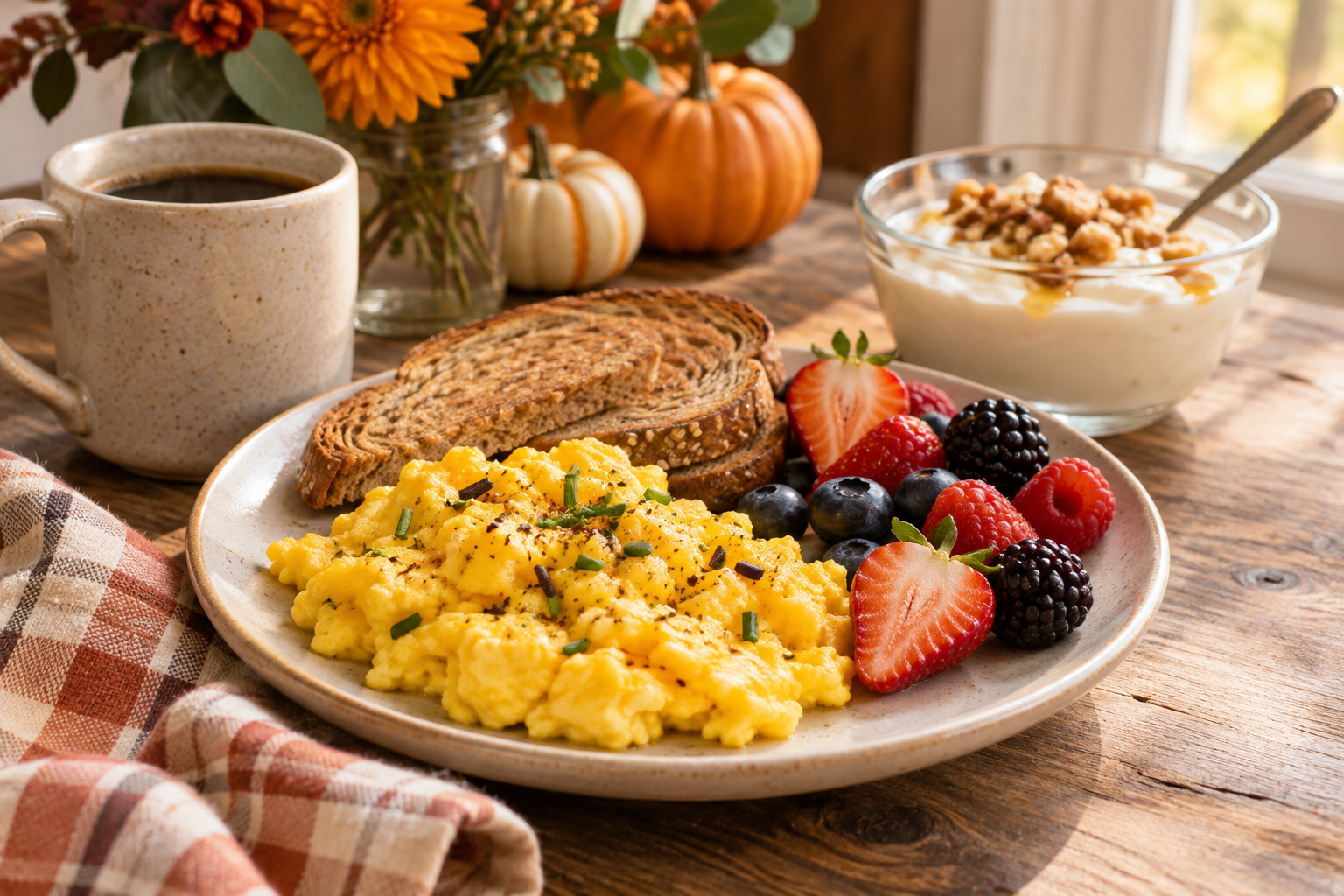
For Thanksgiving, consider eating a balanced breakfast that includes protein, fiber-rich carbohydrates, and some healthy fats.
Examples include:
Scrambled eggs with whole-grain toast and fruit
Plain Greek yogurt with berries and nuts
Oatmeal with peanut butter and chia seeds
A vegetable omelet with sourdough toast
These meals provide nourishment without requiring you to restrict food earlier in the day.
The takeaway: You don't need to earn your Thanksgiving dinner by skipping meals. Eating according to your hunger, schedule, and nutritional needs is generally a more practical approach.
Myth #3: Carbohydrates Are the Reason People Gain Weight During Thanksgiving
The myth: Mashed potatoes, stuffing, dinner rolls, and pumpkin pie are loaded with carbohydrates, so eating them will automatically cause weight gain.
The science: Carbohydrates do not inherently cause body fat gain.
Carbohydrates are one of our body's primary energy sources. During digestion, many carbohydrates are broken down into glucose, which can be used for immediate energy or stored as glycogen in the liver and muscles.
When we consume more energy than our bodies use over time, weight gain can occur. This applies to calories from carbohydrates, fats, and proteins—not just carbohydrates (National Institute of Diabetes and Digestive and Kidney Diseases [NIDDK], n.d.).
Interestingly, carbohydrates can also influence short-term weight fluctuations without an increase in body fat.
When our bodies store glycogen, they also store water. This means that after eating more carbohydrates than usual, the number on the scale may temporarily increase as glycogen and water stores are replenished.
Additionally, traditional Thanksgiving foods can provide valuable nutrients:
Potatoes: Potassium, vitamin C, and carbohydrates for energy
Sweet potatoes: Beta-carotene, potassium, and fiber
Whole-grain stuffing: Carbohydrates, B vitamins, and fiber
Pumpkin: Beta-carotene and fiber
Cranberries: Fiber and naturally occurring plant compounds
Of course, preparation methods, portions, and added ingredients affect the overall nutritional composition of these dishes.
The takeaway: Carbohydrates are not the enemy. You can enjoy your favorite Thanksgiving sides while maintaining a balanced, nutrient-rich eating pattern.
Myth #4: One Thanksgiving Meal Will Ruin Your Weight-Loss Progress
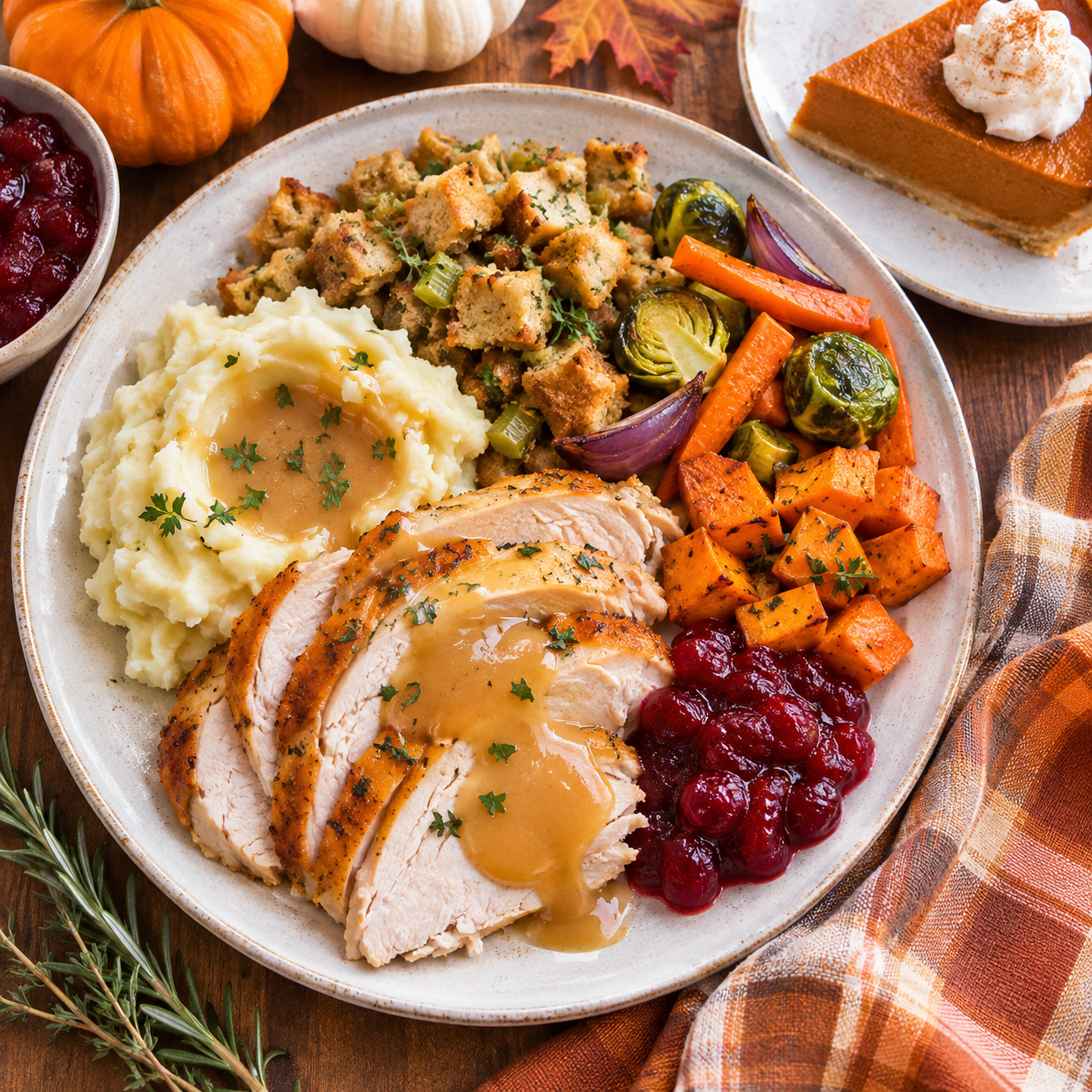
The myth: Eating more calories than usual on Thanksgiving will undo weeks of healthy eating.
The science: Long-term weight management is influenced by patterns of behavior, not one individual meal.
Although eating beyond your energy needs can contribute to weight gain, a single holiday meal does not automatically erase previous progress.
Research examining holiday weight changes offers some useful perspective.
In a prospective study of 195 adults, Yanovski et al. (2000) found that participants gained an average of approximately 0.37 kilograms (0.8 pounds) during the six-week winter holiday period.
A more recent systematic review also found that weight gain can occur during holiday periods, although the amount varies among individuals (2023).
These findings are important for two reasons.
First, the commonly repeated claim that everyone gains five or more pounds during the holidays is exaggerated.
Second, repeated changes in eating and activity patterns across several weeks may have a greater impact on long-term weight management than one Thanksgiving dinner.
It's also important to remember that temporary weight increases after a large meal may reflect:
Increased food volume in the digestive tract
Higher sodium intake and temporary fluid retention
Increased glycogen and associated water storage
Normal day-to-day weight fluctuations
These changes do not necessarily indicate an equivalent increase in body fat.
The takeaway: One meal does not determine your health or long-term progress. Enjoy your holiday, then return to your usual eating and activity habits.
Myth #5: You Need to Exercise to Burn Off Thanksgiving Dinner
The myth: If you eat a large Thanksgiving meal, you need to compensate with an intense workout or extra cardio.
The science: Exercise offers numerous health benefits, but it should not be viewed as punishment for eating.
Regular physical activity supports cardiovascular health, muscle strength, insulin sensitivity, and overall well-being.
There is also evidence that light physical activity after eating can positively influence blood glucose regulation.
A 2023 systematic review and meta-analysis by Engeroff and colleagues examined the effects of exercise before and after meals on blood glucose responses.
The researchers found that post-meal exercise, including walking, reduced postprandial glucose elevations compared with remaining inactive or exercising before eating.
This means that taking a walk after Thanksgiving dinner may offer metabolic benefits.
However, that doesn't mean you need to exercise to cancel out the calories you consumed.
Instead, consider enjoyable movement, such as:
Taking a 10–20-minute walk with family
Playing outside with children
Going for a leisurely hike
Participating in a friendly game of backyard football
If you're feeling overly full or uncomfortable, allow yourself time to settle before becoming active.
The takeaway: Movement can support your health after a meal, but exercise doesn't need to be earned through food—or used to compensate for it.
Myth #6: You Need a Detox or Cleanse After Thanksgiving
The myth: After eating a rich Thanksgiving meal, your body needs a juice cleanse, detox tea, or fasting regimen to eliminate toxins and reset your metabolism.
The science: Your body already has systems responsible for processing and eliminating waste products and potentially harmful substances.
Your liver plays a central role in metabolizing and processing substances, while your kidneys filter blood and help remove waste through urine. The gastrointestinal system also contributes to waste elimination.
According to the National Center for Complementary and Integrative Health (NCCIH, n.d.), there is no convincing evidence that commercial detox diets effectively eliminate toxins from the body or provide sustainable weight-management benefits.
Some detox programs may initially produce weight loss due to substantial calorie restriction, but this does not demonstrate that toxins have been removed.
Furthermore, certain cleansing products can pose health risks, including dehydration, electrolyte disturbances, and adverse effects from laxatives or unregulated supplements.
Rather than attempting to detox after Thanksgiving, focus on returning to your normal routine.
That might include:
Drinking water regularly throughout the day
Eating balanced meals with fruits, vegetables, whole grains, and protein
Including fiber-rich foods to support regular bowel movements
Getting adequate sleep
Engaging in enjoyable physical activity
The takeaway: You don't need to cleanse your body after Thanksgiving. Your liver, kidneys, and digestive system are already working to support normal bodily functions. Anyone considering detox supplements or restrictive regimens should first discuss them with a qualified healthcare professional.
Myth #7: You Have to Make Healthy Swaps for Every Thanksgiving Dish
The myth: To have a healthy Thanksgiving, you need to replace mashed potatoes with cauliflower, skip the gravy, avoid dessert, and prepare low-calorie versions of your favorite dishes.
The science: Healthy eating is about overall dietary patterns, not making every individual food as low in calories as possible.
Nutrient-dense foods provide important vitamins, minerals, fiber, and other beneficial nutrients. However, foods that are higher in added sugar, saturated fat, or calories can still fit within an overall balanced eating pattern.
A Thanksgiving meal can include both nutrient-dense options and traditional favorites.
For example, you might enjoy turkey, roasted vegetables, mashed potatoes, stuffing, and a slice of pumpkin pie.
Each food contributes something different to the meal, whether that's protein, carbohydrates, fiber, micronutrients, or simply enjoyment.
And enjoyment matters.
Food is also connected to family traditions, culture, memories, and social experiences.
You don't have to replace your grandmother's mashed potatoes with cauliflower just because the cauliflower version contains fewer calories.
If you enjoy cauliflower mashed potatoes, that's perfectly fine too!
The important distinction is whether you're making food choices based on your preferences and needs or because you feel obligated to follow restrictive holiday food rules.
The takeaway: You can prioritize nutrition while still enjoying traditional Thanksgiving foods. Balance doesn't require perfection, and one meal doesn't need to meet every nutritional goal.
A Dietitian's Tips for Enjoying Thanksgiving Without Unnecessary Food Rules
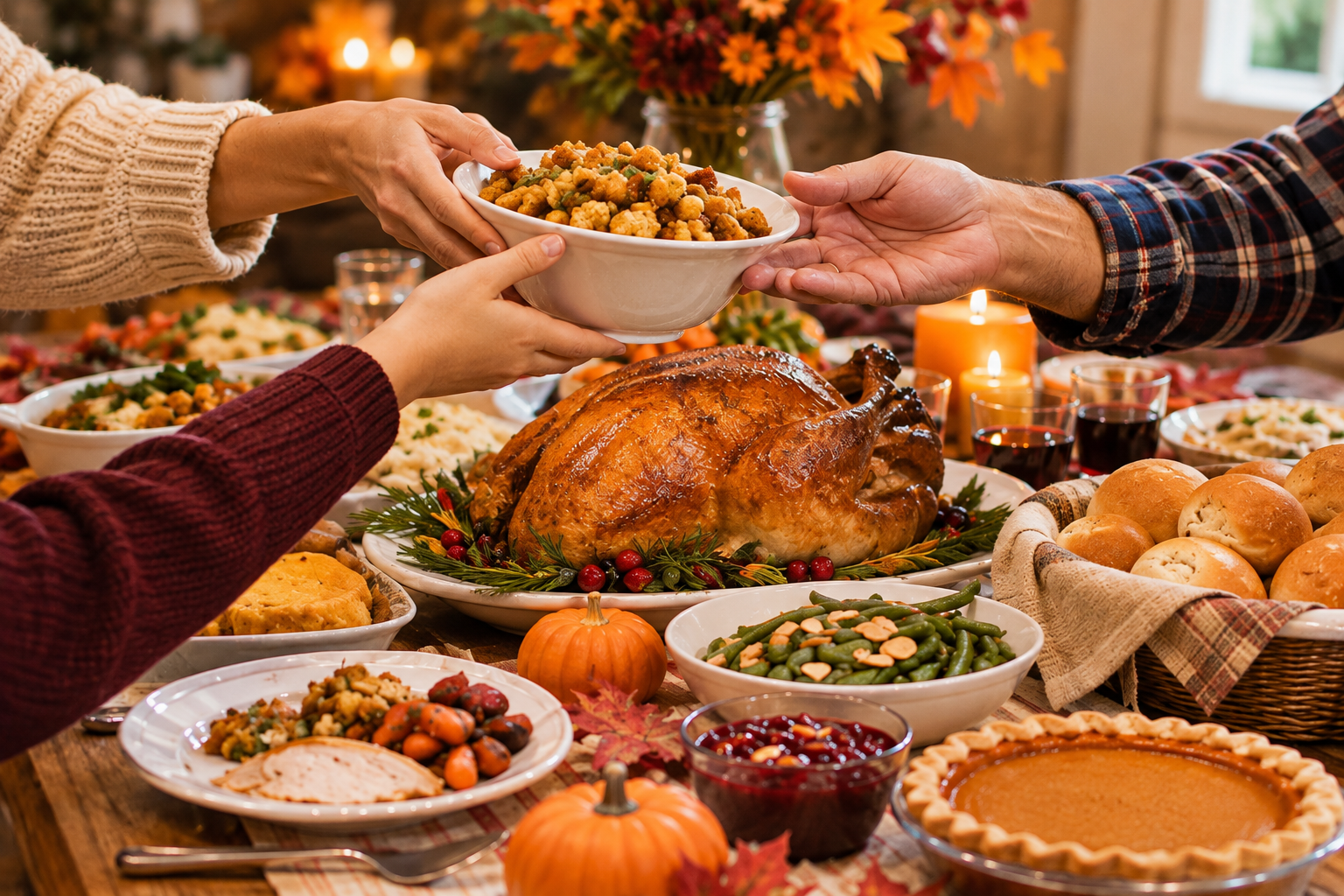
Instead of focusing on what you should avoid this Thanksgiving, consider a few simple habits that can help you feel your best.
Eat regularly throughout the day. Avoid intentionally restricting food to compensate for your holiday dinner.
Build a satisfying plate. Include foods you enjoy alongside sources of protein, carbohydrates, and vegetables when available.
Eat mindfully. Slow down when practical, enjoy the flavors of your meal, and pay attention to hunger and fullness.
Stay hydrated. Drink water throughout the day, especially if consuming alcohol.
Move because it feels good. A walk after dinner can be beneficial, but it isn't required.
Enjoy your favorite traditions. Food is more than just nutrients. It can also represent connection, celebration, and meaningful memories.
Return to your usual routine afterward. There is no need for fasting, detoxing, or compensatory exercise the following day.
The Bottom Line: Enjoy Thanksgiving Without the Nutrition Myths
Thanksgiving doesn't have to become a day of calorie counting, food restrictions, or worrying about how much exercise you'll need afterward.
Many of the nutrition rules we hear during the holidays are oversimplifications of much more complicated physiological processes.
Turkey isn't solely responsible for post-meal sleepiness. Carbohydrates don't automatically cause weight gain. A single holiday meal won't determine your long-term health, and your body doesn't need a detox afterward.
What matters most is the overall pattern of your eating habits, physical activity, and lifestyle throughout the year.
This Thanksgiving, give yourself permission to enjoy the foods and traditions that make the holiday meaningful while continuing to support your health in ways that are practical and sustainable.
Good nutrition isn't about making every meal perfect. It's about building habits that support your health over time.
References
Abdulan, I. M., Popescu, G., Maștaleru, A., Oancea, A., Costache, A. D., Cojocaru, D.-C., Cumpăt, C.-M., Ciuntu, B. M., Rusu, B., & Leon, M. M. (2023). Winter holidays and their impact on eating behavior—A systematic review. Nutrients, 15(19), 4201. https://doi.org/10.3390/nu15194201
Bonnet, J. P., Cardel, M. I., Cellini, J., Hu, F. B., & Guasch-Ferré, M. (2020). Breakfast skipping, body composition, and cardiometabolic risk: A systematic review and meta-analysis of randomized trials. Obesity, 28(6), 1098–1109. https://doi.org/10.1002/oby.22791
Centers for Disease Control and Prevention. (2026, March 27). Tips for maintaining healthy weight. https://www.cdc.gov/healthy-weight-growth/about/tips-for-balancing-food-activity.html
Engeroff, T., Groneberg, D. A., & Wilke, J. (2023). After dinner rest a while, after supper walk a mile? A systematic review with meta-analysis on the acute postprandial glycemic response to exercise before and after meal ingestion in healthy subjects and patients with impaired glucose tolerance. Sports Medicine, 53, 849–869. https://doi.org/10.1007/s40279-022-01808-7
National Center for Complementary and Integrative Health. (2025, March). “Detoxes” and “cleanses”: What you need to know. https://www.nccih.nih.gov/health/detoxes-and-cleanses-what-you-need-to-know
National Institute of Diabetes and Digestive and Kidney Diseases. (n.d.). Factors affecting weight & health. https://www.niddk.nih.gov/health-information/weight-management/adult-overweight-obesity/factors-affecting-weight-health
Shmerling, R. H. (2026, April 24). The turkey coma—Fact or fiction? Harvard Health Publishing. https://www.harvardhealth.org/diet-and-nutrition/the-turkey-coma-fact-or-fiction
Yanovski, J. A., Yanovski, S. Z., Sovik, K. N., Nguyen, T. T., O'Neil, P. M., & Sebring, N. G. (2000). A prospective study of holiday weight gain. The New England Journal of Medicine, 342(12), 861–867. https://doi.org/10.1056/NEJM200003233421206
