The Health Benefits of Pumpkin: Nutrition Beyond Pumpkin Spice
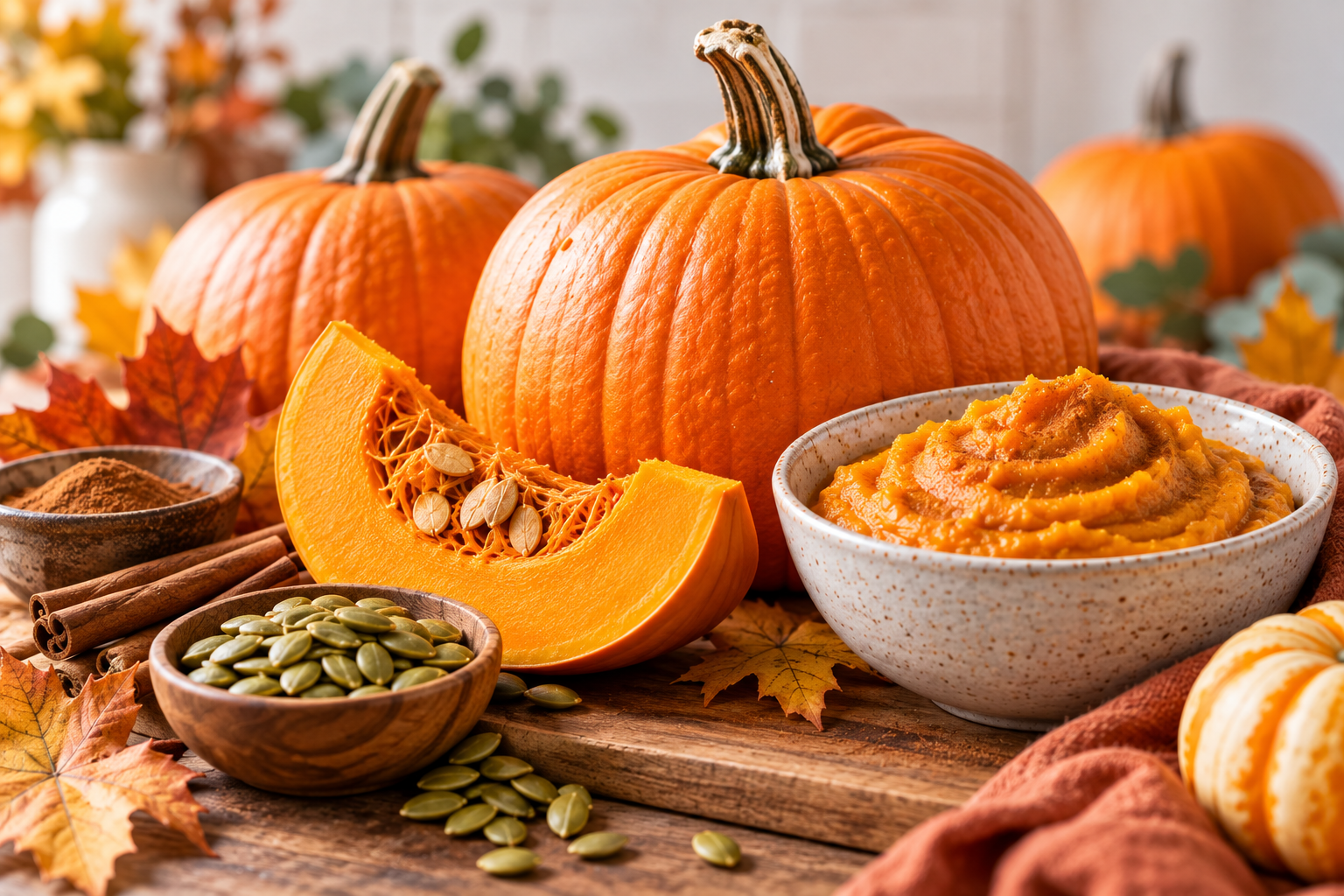
When fall arrives, pumpkin seems to show up everywhere.
Pumpkin spice coffee. Pumpkin muffins. Pumpkin bread. Pumpkin cookies. Pumpkin-flavored everything.
But underneath all of the seasonal hype is an actual food that deserves a little more attention.
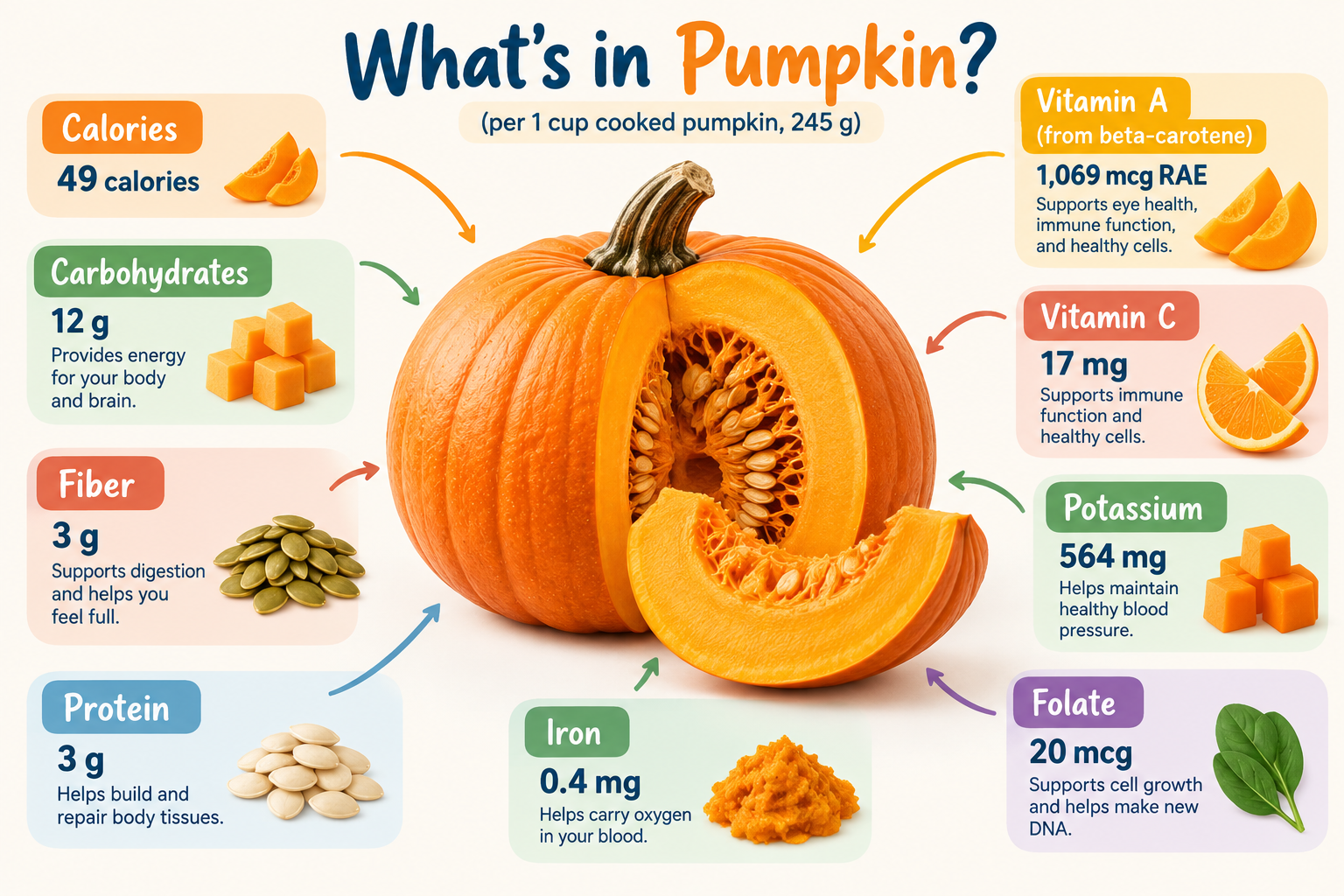
Pumpkin itself is a nutrient-dense fruit that provides carotenoids, fiber, potassium, vitamin C, and other micronutrients and plant compounds. And unlike many foods marketed as "pumpkin spice," plain pumpkin doesn't contain much added sugar or even pumpkin spice, for that matter.
So, is pumpkin actually good for you?
Let's look at what the research says about pumpkin nutrition and its potential health benefits.
What Is Pumpkin?
Pumpkins belong to the Cucurbita genus and the Cucurbitaceae family, the same plant family that includes squash, cucumbers, and melons.
Several species are commonly consumed around the world, including Cucurbita pepo, Cucurbita maxima, and Cucurbita moschata.
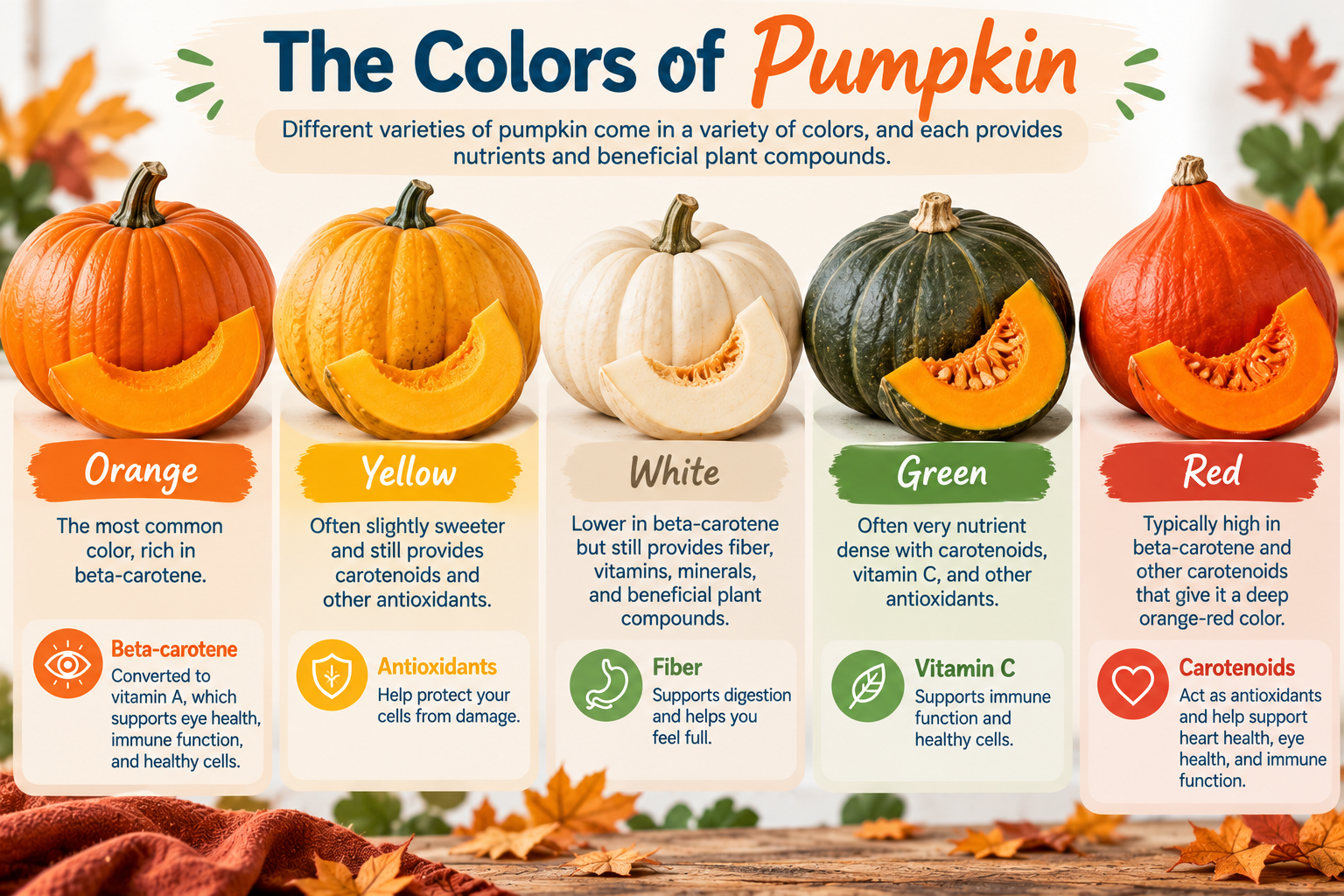
Nutritionally, pumpkin is particularly interesting because of its concentration of carotenoids, the naturally occurring pigments responsible for many of the yellow, orange, and red colors we see in fruits and vegetables.
Research examining pumpkin varieties has identified several important carotenoids, including:
Beta-carotene
Alpha-carotene
Lutein
Zeaxanthin
Beta-carotene is often one of the predominant carotenoids found in pumpkin, although the exact amount varies considerably depending on pumpkin species, variety, growing conditions, processing, and preparation.
That bright orange color isn't just pretty it gives us a clue about what's inside.
1. Pumpkin Is an Excellent Source of Provitamin A Carotenoids
One of pumpkin's biggest nutritional claims to fame is beta-carotene.
Beta-carotene and alpha-carotene are classified as provitamin A carotenoids, meaning the body can convert them into active vitamin A.
Vitamin A plays essential roles in:
Normal vision
Immune function
Cell growth and differentiation
Reproduction
Maintaining healthy tissues
This is also an important distinction when we talk about "vitamin A" in plant foods.
Pumpkin doesn't contain the same type of preformed vitamin A found in foods such as liver, eggs, or dairy. Instead, it provides carotenoids that the body can convert into vitamin A as needed.
Interestingly, cooking and processing plant foods can sometimes increase the bioavailability of beta-carotene by breaking down the plant's cellular structure and making carotenoids easier to access.
So canned or cooked pumpkin is not nutritionally "inferior" simply because it has been cooked.
2. Pumpkin Provides Antioxidant Plant Compounds
Carotenoids do more than give pumpkin its bright orange color. Nutrients like beta-carotene, lutein, and zeaxanthin also act as antioxidants in the body.
Antioxidants help protect our cells from damage. Pumpkin also contains other helpful plant compounds called phytochemicals.
Research shows that people who eat more foods rich in carotenoids may have a lower risk of some health problems, including conditions related to blood sugar, blood pressure, and heart health.
However, this does not mean that eating pumpkin alone can prevent disease. People who eat more carotenoid-rich foods often eat more fruits and vegetables overall and may have other healthy habits.
Instead of thinking of pumpkin as a "superfood," think of it as one of many colorful fruits and vegetables that can help provide your body with important nutrients.
The goal is not to eat one "perfect" food. The goal is to eat a variety of nutritious foods over time.
3. Pumpkin Can Contribute to Your Fiber Intake
Pumpkin also contributes dietary fiber.
Fiber supports several aspects of health, including normal bowel function, digestive health, and satiety. Fiber-rich dietary patterns are also associated with cardiovascular and metabolic benefits.
But pumpkin doesn't have to do all of the work.
Try combining it with other fiber-containing foods such as:
Pumpkin + oats
Pumpkin + chia seeds
Pumpkin + whole grains
Pumpkin + beans or lentils
Pumpkin + nuts or seeds
This creates meals and snacks that provide a wider range of nutrients while often being more filling.
And this is a good reminder that nutrition is rarely about finding the single "best" food.
It's about what foods contribute to the overall pattern.
4. Pumpkin Provides Potassium
Pumpkin can also contribute to your daily potassium intake.
Potassium is an essential mineral involved in fluid balance, nerve transmission, muscle contraction, and normal cellular function.
Higher-potassium dietary patterns, particularly those emphasizing fruits, vegetables, legumes, and other minimally processed foods, are also associated with cardiovascular benefits and can support healthy blood pressure.
Rather than immediately thinking about potassium supplements, incorporating a variety of potassium-containing foods throughout the day is a practical food-first approach for most healthy adults.
People with kidney disease or certain medical conditions or medications may need individualized recommendations regarding potassium intake.
5. Pumpkin Contains Vitamin C
Pumpkin also provides some vitamin C, although it isn't as concentrated a source as foods like bell peppers, citrus fruit, strawberries, or kiwi.
Vitamin C serves several important functions in the body. It contributes to collagen synthesis, antioxidant defenses, immune function, wound healing, and absorption of non-heme iron from plant foods.
Again, pumpkin doesn't need to provide enormous amounts of every nutrient to be valuable.
Foods work together.
A bowl containing pumpkin, beans, leafy greens, whole grains, and other vegetables will provide a very different nutritional profile than pumpkin eaten by itself and that's exactly the point of building a varied diet.
What About Eye Health?
You've probably heard that orange vegetables are good for your eyes.
There's some truth behind that simplified statement.
Vitamin A is essential for normal vision and is required for the proper functioning of the retina. Pumpkin also contains the carotenoids lutein and zeaxanthin, compounds that have been extensively studied in relation to eye health.
That doesn't mean pumpkin will give you perfect vision.
It does mean that pumpkin can be one of many foods contributing nutrients involved in maintaining normal eye function.
Fresh Pumpkin vs. Canned Pumpkin: Is One Healthier?
Here's some good news:
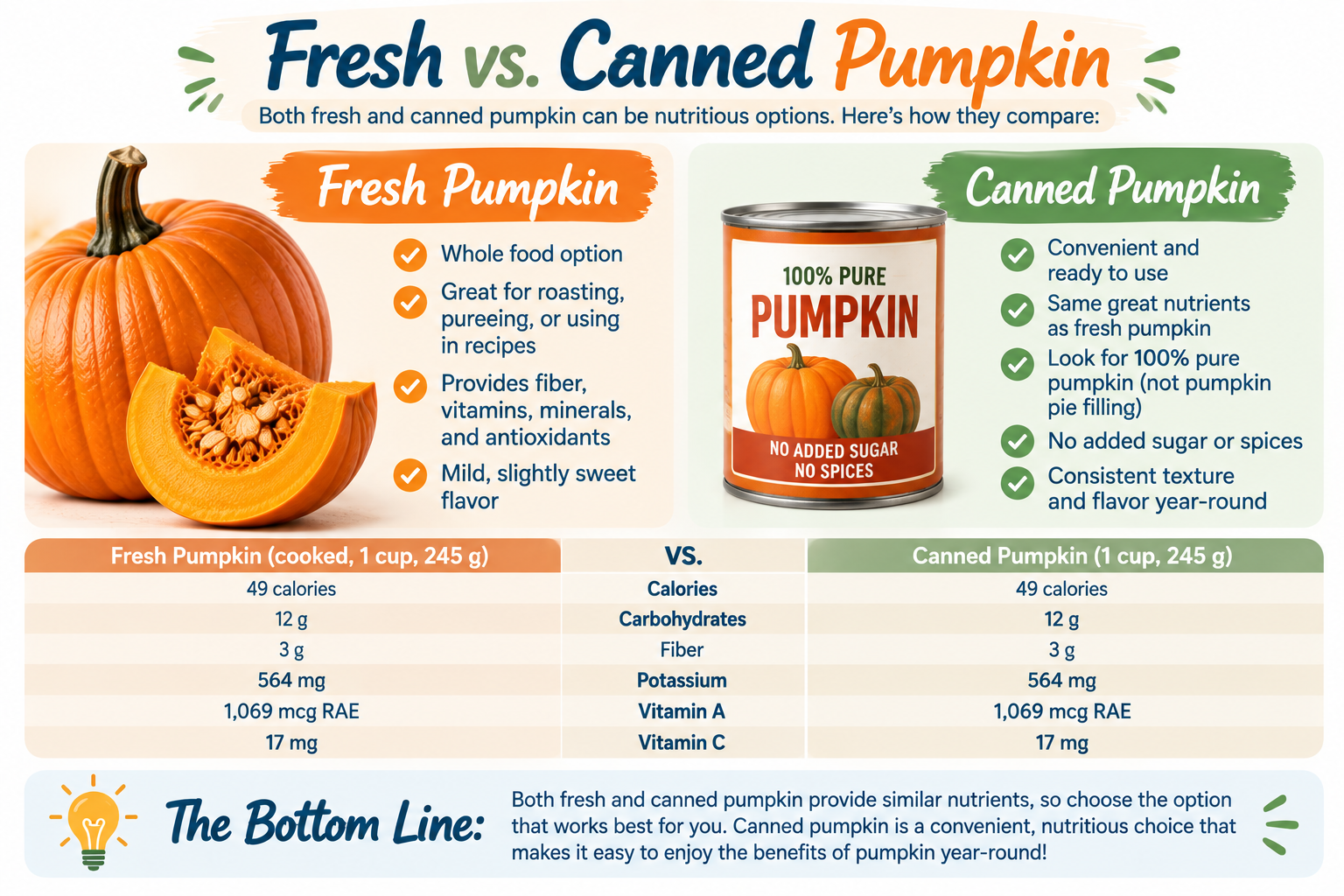
Canned pumpkin can absolutely be a nutritious option.
In fact, it's one of the easiest ways to use pumpkin throughout the year.
When shopping, look for:
100% pure pumpkin
rather than:
pumpkin pie filling
They aren't the same product.
Pure canned pumpkin is simply cooked and pureed pumpkin or squash, while pumpkin pie filling typically contains added sweeteners and spices and is designed to go directly into pie recipes.
There's nothing inherently wrong with enjoying pumpkin pie, either. It's simply helpful to know which product you're buying.
Fresh pumpkin is great if you enjoy roasting and preparing it yourself.
Canned pumpkin is great if you want convenience.
Both can fit into a nutritious diet.
Pumpkin Spice Isn't the Same as Pumpkin
This may be the biggest misconception surrounding pumpkin season.
Pumpkin spice doesn't necessarily contain pumpkin.
Traditional pumpkin pie spice is usually some combination of:
Cinnamon
Ginger
Nutmeg
Cloves
Allspice
Those flavors have become so strongly associated with pumpkin that we often lump "pumpkin" and "pumpkin spice" together.
A pumpkin-spice latte, cookie, cereal, or pastry may contain little or sometimes no actual pumpkin.
Does that mean you shouldn't enjoy them?
Of course not.
Food can provide pleasure, tradition, connection, and enjoyment in addition to nutrients.
But if you're specifically looking for the nutritional benefits of pumpkin, look for actual pumpkin in the ingredient list.
Don't Forget About Pumpkin Seeds
The flesh isn't the only edible part of the pumpkin.
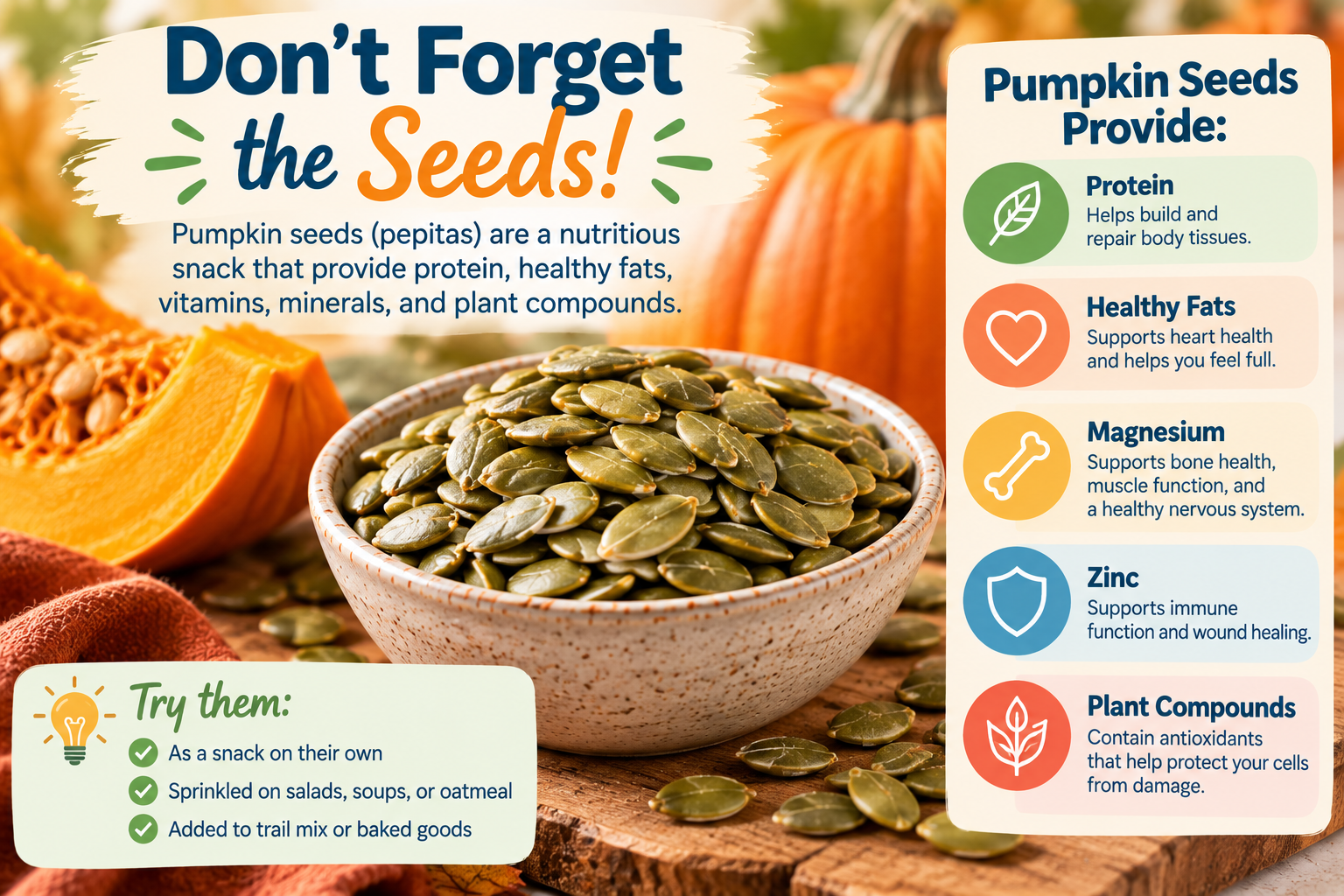
Pumpkin seeds, also called pepitas, have a very different nutritional profile from pumpkin flesh.
Seeds provide protein, unsaturated fats, fiber, magnesium, zinc, and several other nutrients.
That makes roasted pumpkin seeds an easy way to add texture and nutrition to:
Salads
Oatmeal
Yogurt
Soups
Grain bowls
Trail mix
You can even pair pumpkin flesh and pumpkin seeds in the same meal.
Healthy Ways to Eat More Pumpkin
Pumpkin doesn't have to mean dessert.
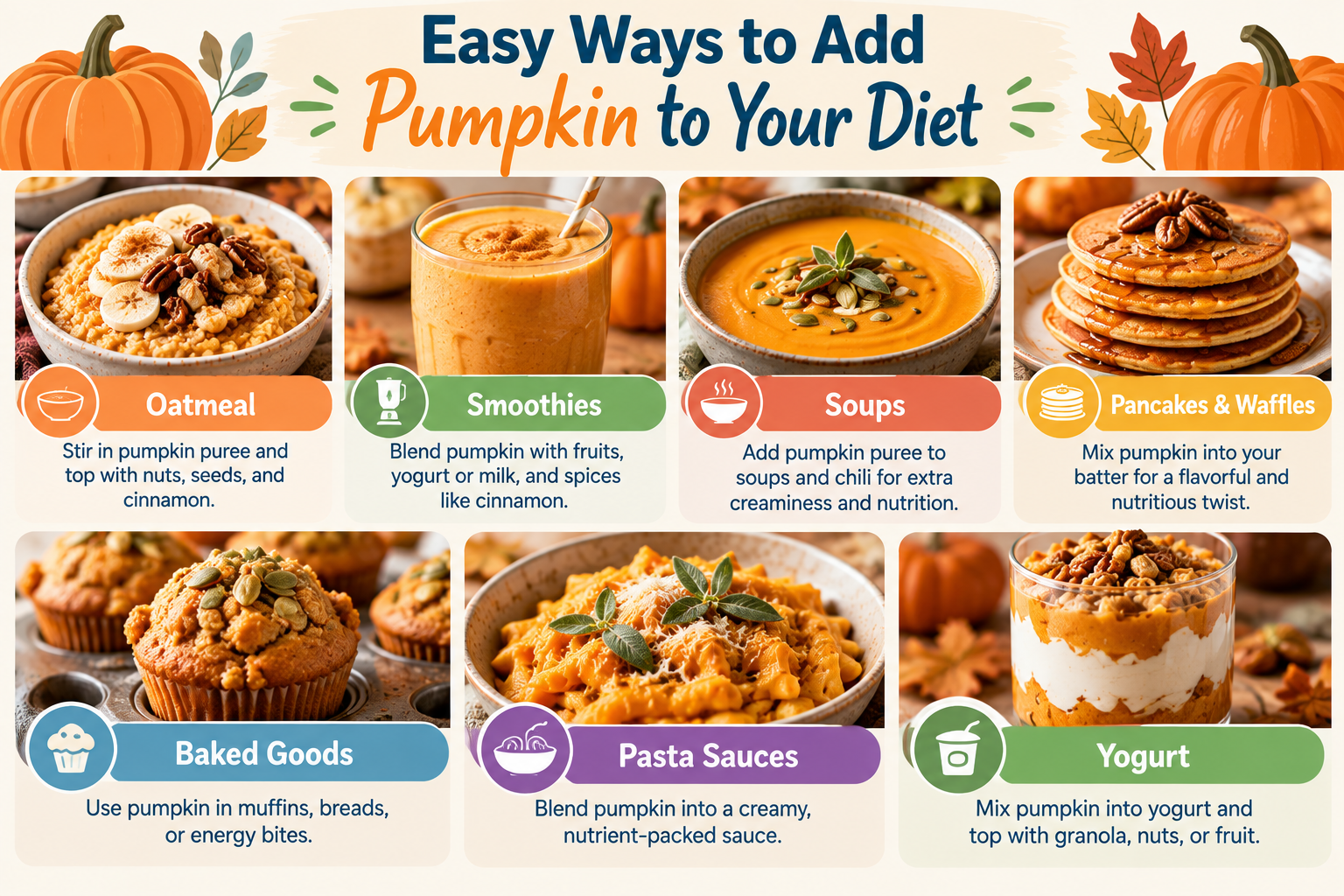
Try adding pure pumpkin to:
Oatmeal: Stir pumpkin puree into oats with cinnamon, walnuts, and Greek yogurt.
Smoothies: Blend pumpkin with Greek yogurt, milk, banana, cinnamon, and nutmeg.
Soups: Add pumpkin to blended vegetable soups or combine it with lentils or beans.
Chili: Pumpkin puree can add thickness, subtle sweetness, and additional nutrients to chili.
Pasta sauce: Mix pumpkin with ricotta, Parmesan, garlic, sage, and a splash of milk for a creamy fall pasta sauce.
Pancakes or waffles: Add pumpkin puree to your favorite batter.
Yogurt bowls: Mix pumpkin into plain Greek yogurt and top with cinnamon, nuts, seeds, and fruit.
Baked goods: Pumpkin works beautifully in muffins, breads, and baked oatmeal.
And yes, you can still have pumpkin pie.
Nutrition doesn't require turning every seasonal food into a "healthier" version.
Does Pumpkin Help With Weight Loss?
You'll occasionally see claims that pumpkin is a "weight-loss food."
That's an oversimplification.
No individual food causes weight loss.
Pumpkin can certainly fit into a weight-management plan because it can add volume, flavor, nutrients, and fiber to meals without being particularly energy dense on its own.
But whether someone's weight changes depends on their overall dietary intake, activity, sleep, medications, medical conditions, genetics, environment, and many other factors.
Instead of asking:
"Will pumpkin make me lose weight?"
A better question might be:
"Can pumpkin help me build satisfying, nutrient-dense meals that I actually enjoy?"
The answer to that is absolutely.
The Bottom Line: Is Pumpkin Healthy?
Yes.
Pumpkin is much more than a seasonal flavor.
It provides provitamin A carotenoids, fiber, potassium, vitamin C, and numerous plant compounds, while pumpkin seeds contribute their own combination of protein, unsaturated fats, minerals, and fiber.
But pumpkin also doesn't need to be labeled a "superfood."
No single food determines your health.
Your overall dietary pattern matters far more than whether you eat one particular fruit or vegetable.
So this fall, enjoy the pumpkin bread.
Drink the pumpkin-spice coffee if you love it.
And maybe give actual pumpkin a little room on the menu, too.
Because pumpkin deserves to be known for more than just the spice.
References
Grassino, A. N., Rimac Brnčić, S., Badanjak Sabolović, M., Šic Žlabur, J., Marović, R., & Brnčić, M. (2023). Carotenoid content and profiles of pumpkin products and by-products. Molecules, 28(2), 858. https://doi.org/10.3390/molecules28020858
Grune, T., Lietz, G., Palou, A., Ross, A. C., Stahl, W., Tang, G., Thurnham, D., Yin, S., & Biesalski, H. K. (2010). Beta-carotene is an important vitamin A source for humans. The Journal of Nutrition, 140(12), 2268S–2285S. https://doi.org/10.3945/jn.109.119024
National Institutes of Health, Office of Dietary Supplements. (n.d.). Vitamin A and carotenoids: Fact sheet for health professionals.
National Institutes of Health, Office of Dietary Supplements. (n.d.). Vitamin C: Fact sheet for health professionals.
National Institutes of Health, Office of Dietary Supplements. (n.d.). Potassium: Fact sheet for health professionals.
Saini, R. K., Nile, S. H., & Park, S. W. (2022). Carotenoids: Dietary sources, extraction, encapsulation, bioavailability, and health benefits—A review of recent advancements. Antioxidants, 11(4), 795.
Yadav, M., Jain, S., Tomar, R., Prasad, G. B. K. S., & Yadav, H. (2010). Medicinal and biological potential of pumpkin: An updated review. Nutrition Research Reviews, 23(2), 184–190.
Zhou, C.-L., Mi, L., Hu, X.-Y., & Zhu, B.-H. (2021). Physicochemical, nutritional and functional properties of Cucurbita moschata. Food Science and Biotechnology, 30, 171–183.
