Are Apples Good for You? The Science Behind Apple Nutrition
“An apple a day keeps the doctor away” might be one of the most recognizable nutrition sayings but is there actually any science behind it?
Apples sometimes get reduced to their carbohydrate or sugar content, especially in conversations about blood sugar and weight loss. But looking at a food based on a single nutrient rarely gives us the full picture.
Apples provide carbohydrates, water, fiber, vitamins, minerals, and a variety of plant compounds called polyphenols. Research suggests that regularly including apples as part of an overall balanced diet may support cardiovascular health, digestive health, blood sugar management, and overall diet quality.
So, are apples actually good for you?
Yes. But not because apples are a magical “superfood.” They are simply a nutrient-dense, accessible fruit that can be a valuable part of a balanced diet.
Let's take a closer look at apple nutrition and what the research actually tells us.

Apple Nutrition: What's Actually in an Apple?
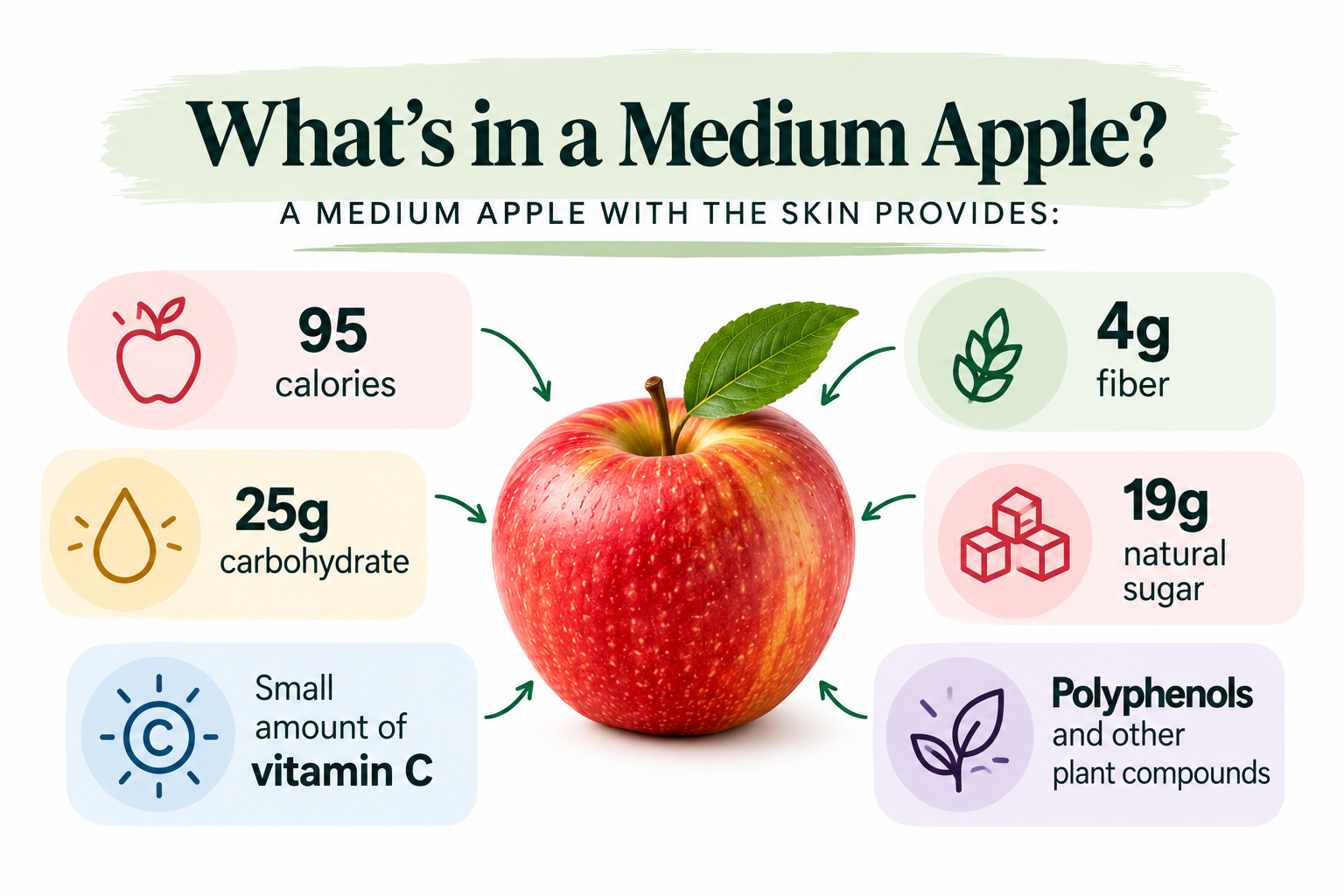
A medium apple with the skin provides roughly:
95 calories
25 grams of carbohydrate
4 grams of dietary fiber
19 grams of naturally occurring sugar
A small amount of vitamin C
Potassium and other micronutrients
Numerous polyphenols and other phytochemicals
Apples are also naturally low in sodium and saturated fat.
One of the most important things to understand about apple nutrition is that the sugar in an apple doesn't exist in isolation. A whole apple also contains water, fiber, and a complex food matrix that influences how the fruit is digested and absorbed.
That is very different nutritionally from consuming the same amount of sugar as an added sugar in a beverage or candy.
1. Apples Are a Convenient Source of Fiber
One of the biggest nutritional advantages of eating whole apples is their fiber content.
A medium apple provides approximately 4 grams of fiber, making it an easy way to contribute toward your daily fiber needs.
Fiber plays several important roles in the body. Adequate fiber intake can support:
Regular bowel movements
Digestive health
Satiety and fullness
Healthy cholesterol levels
Blood glucose regulation
A diverse and healthy gut environment
Apples contain both soluble and insoluble fiber.
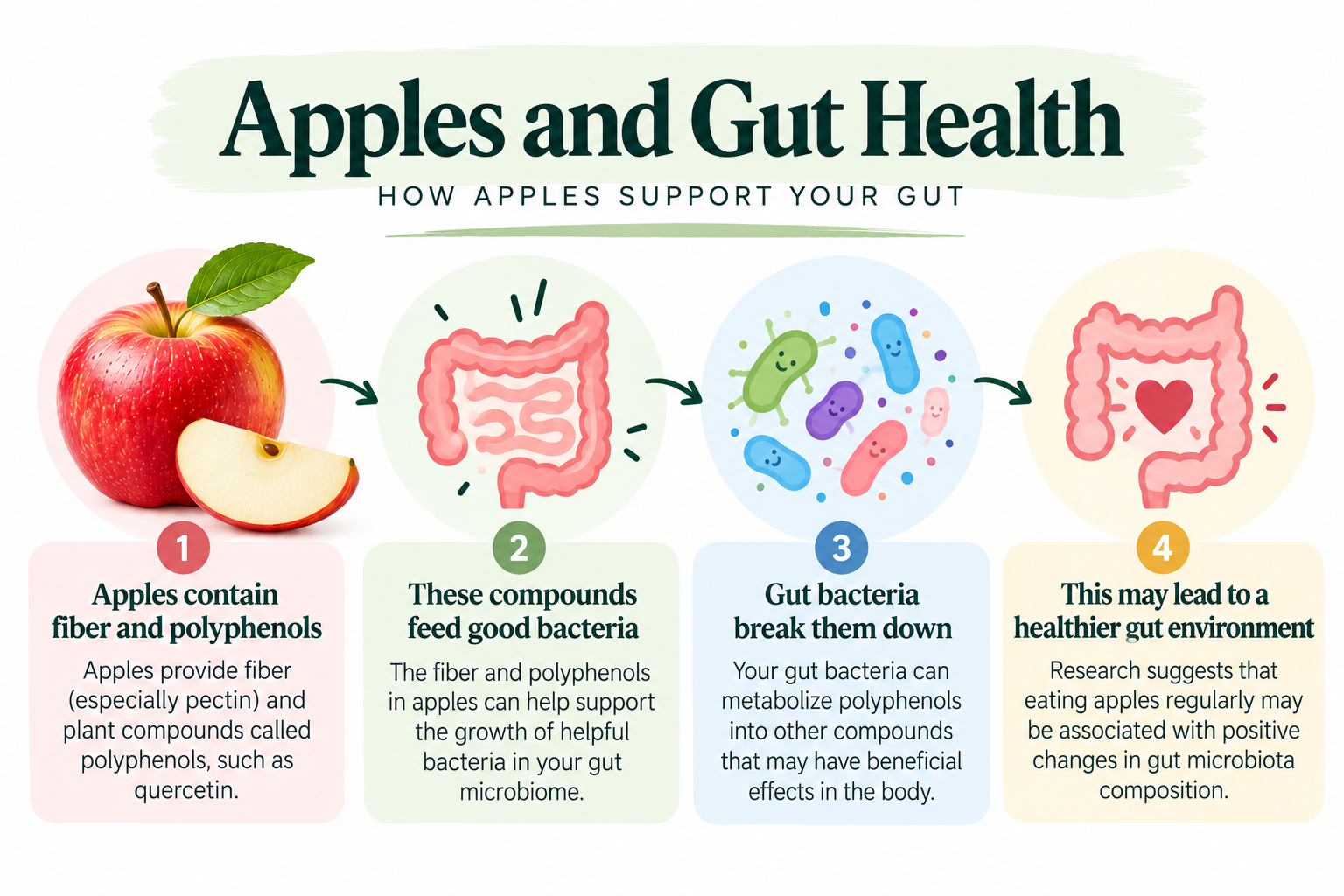
One particularly interesting component is pectin, a type of soluble fiber. Pectin reaches the large intestine, where it can be fermented by gut bacteria.
And fiber isn't the only part of an apple that may interact with your gut.
2. Apples Contain Polyphenols
Polyphenols may also play a role in gut health. Your gut is home to trillions of bacteria, often called the gut microbiome. Some of these bacteria help break down polyphenols from the foods you eat. At the same time, polyphenols may help support the growth of helpful bacteria in your gut.
A 2026 review of human studies found that regularly eating apples may lead to helpful changes in gut bacteria. However, the studies did not all have the same results. More research is needed to understand exactly how apples affect the gut microbiome.
The good news? Apples provide fiber and helpful plant compounds that can be part of a gut-friendly diet. They aren't a miracle food, but they are one simple and tasty way to add more plant foods to your day.
3. But What About the Sugar in Apples?
This is probably one of the most common concerns surrounding fruit.
Yes, apples contain sugar.
But they contain naturally occurring sugar packaged alongside fiber, water, micronutrients, and phytochemicals.
When discussing blood sugar, it is important to consider the entire food rather than simply looking at the grams of sugar on a nutrition label.
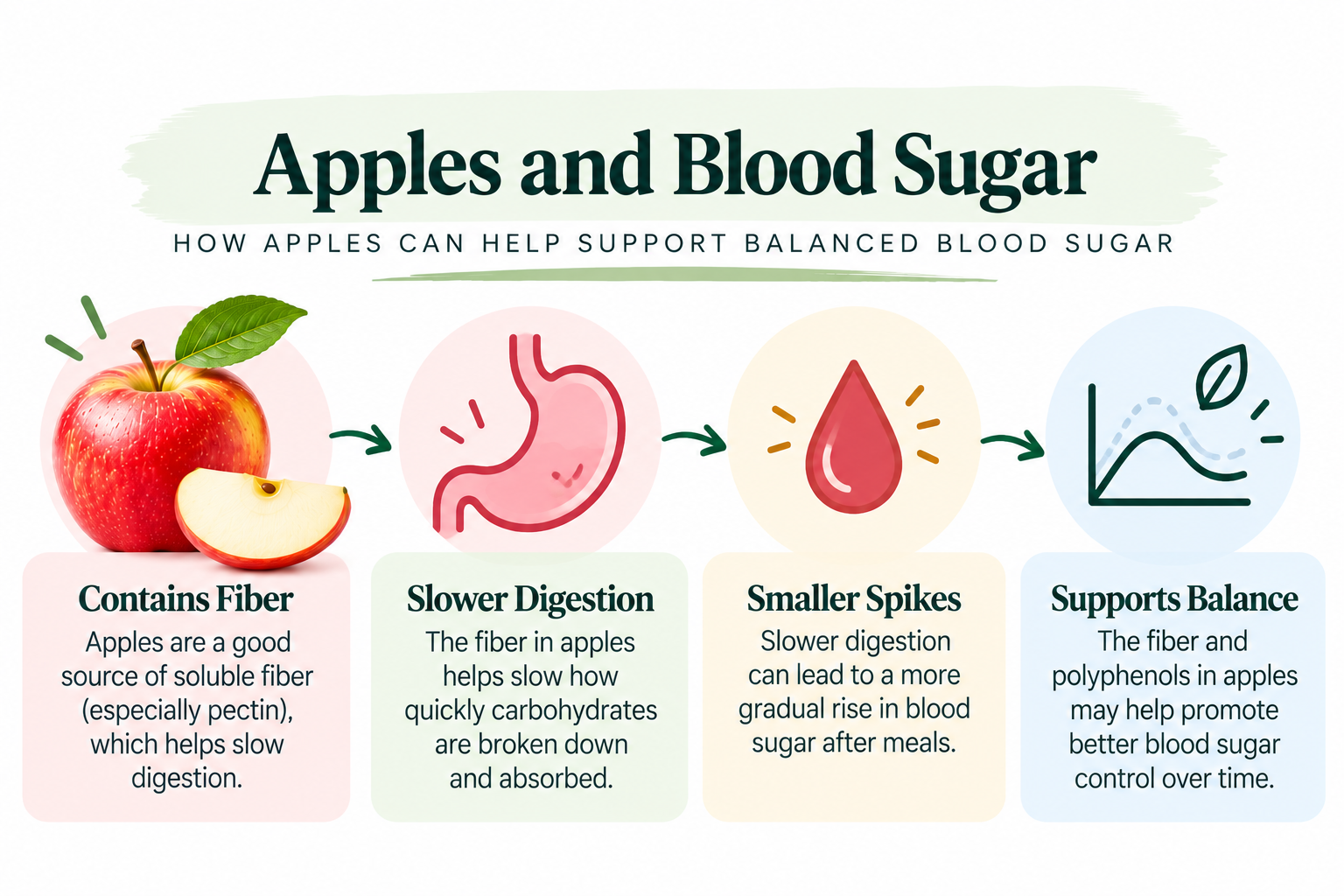
Eating a whole apple requires chewing, and its fiber-containing food structure slows digestion compared with consuming carbohydrates in liquid or highly refined forms.
Researchers have studied how eating apples may affect blood sugar. So far, the results are promising, but they are not always the same across studies. Some research suggests that eating apples may help reduce blood sugar spikes after a meal. However, more research is needed to fully understand how apples affect blood sugar.
So having an apple isn't the same thing as drinking a sugar-sweetened beverage simply because both contain carbohydrate.
Want an even more balanced snack?
Pair your apple with a source of protein and/or healthy fat.
Try:
Apple + peanut or almond butter
Apple + cheddar cheese
Apple + Greek yogurt
Apple + cottage cheese
Apple + nuts
Apple + turkey slices
This combination can make the snack more satisfying while adding protein and additional nutrients.
4. Are Apples Good for Heart Health?
This is one of the most interesting areas of apple research.
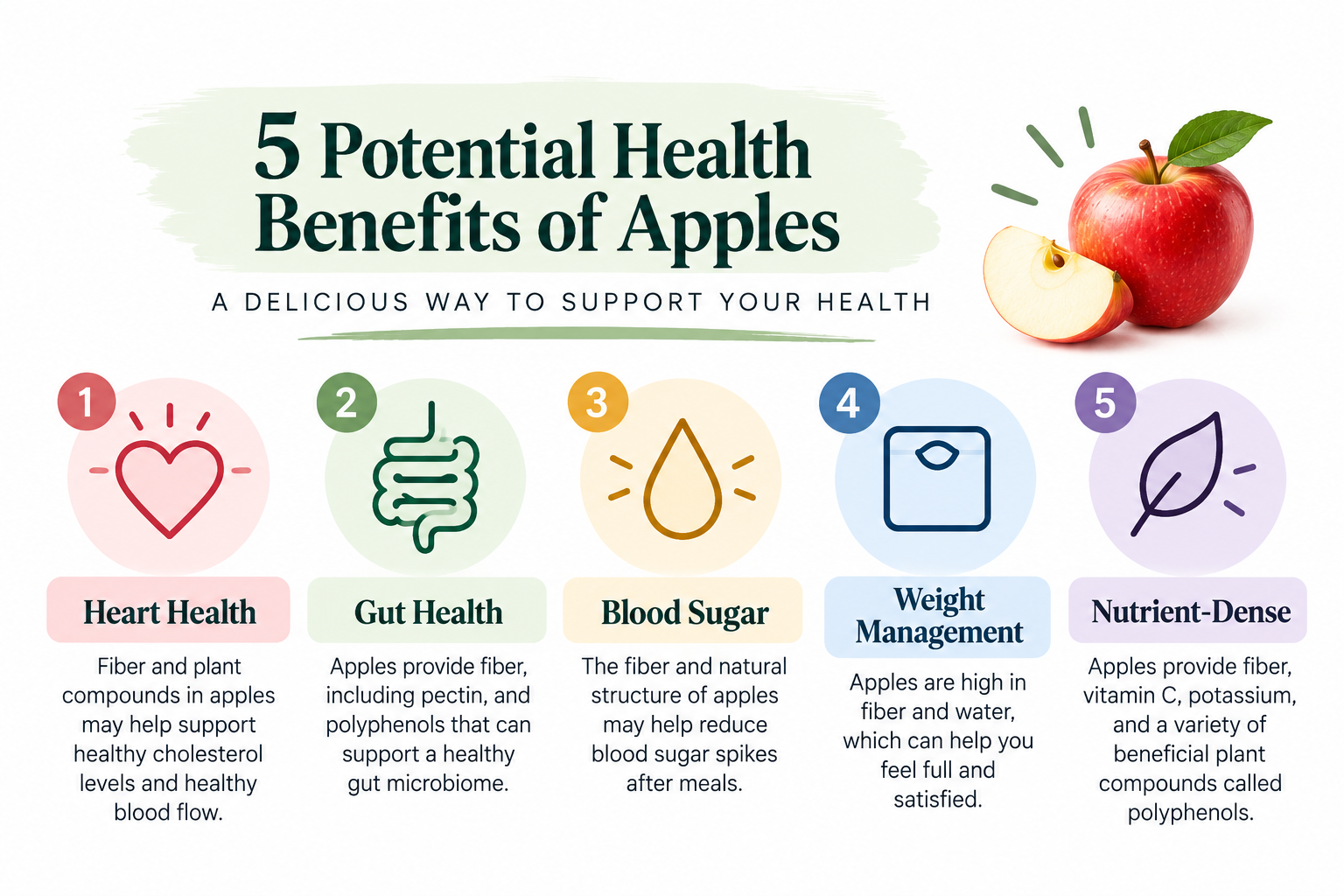
Apples contain several components potentially relevant to cardiovascular health, including fiber and polyphenols.
A systematic review and meta-analysis of randomized controlled trials evaluating apples and apple-derived products found potential improvements in several metabolic and cardiovascular markers.
Another systematic review and meta-analysis found that apple or apple-polyphenol interventions were associated with higher HDL cholesterol (“good” cholesterol) and lower C-reactive protein (a blood marker that expresses the level of inflammation within the body), although results across individual cardiovascular markers have not always been consistent.
Observational research has also associated greater apple and pear consumption with lower risks of outcomes including cardiovascular mortality and cerebrovascular disease (ex., stroke, aneurysm, etc.).
However, an important distinction needs to be made:
Association does not prove causation.
People who regularly eat fruit may also have other dietary and lifestyle behaviors that contribute to better health.
The evidence doesn't mean eating one apple will prevent heart disease. Rather, apples can contribute fiber, polyphenols, and nutrients within an overall dietary pattern that supports cardiovascular health.
5. Are Apples Good for Weight Loss?
Apples can absolutely fit into a weight-loss diet but they don't directly “burn fat.”
Their potential benefit is much simpler.
Whole apples contain a significant amount of water and fiber relative to their calorie content. Foods with these characteristics can provide volume and help contribute to fullness.
That can make apples a useful snack or addition to meals when someone is trying to manage overall calorie intake.
A systematic review and meta-analysis examining apples and pears found that randomized trials showed a modest reduction in BMI, although significant reductions were not consistently observed for body weight itself.
This is an important example of why nutrition claims should stay realistic.
Eating apples does not cause weight loss by itself.
Weight change depends on your overall energy intake, activity, sleep, genetics, medical factors, medications, and numerous other variables.
Instead of asking:
“Will apples make me lose weight?”
A more useful question might be:
“Can apples be part of an eating pattern that supports my goals?”
For most people, the answer is yes.
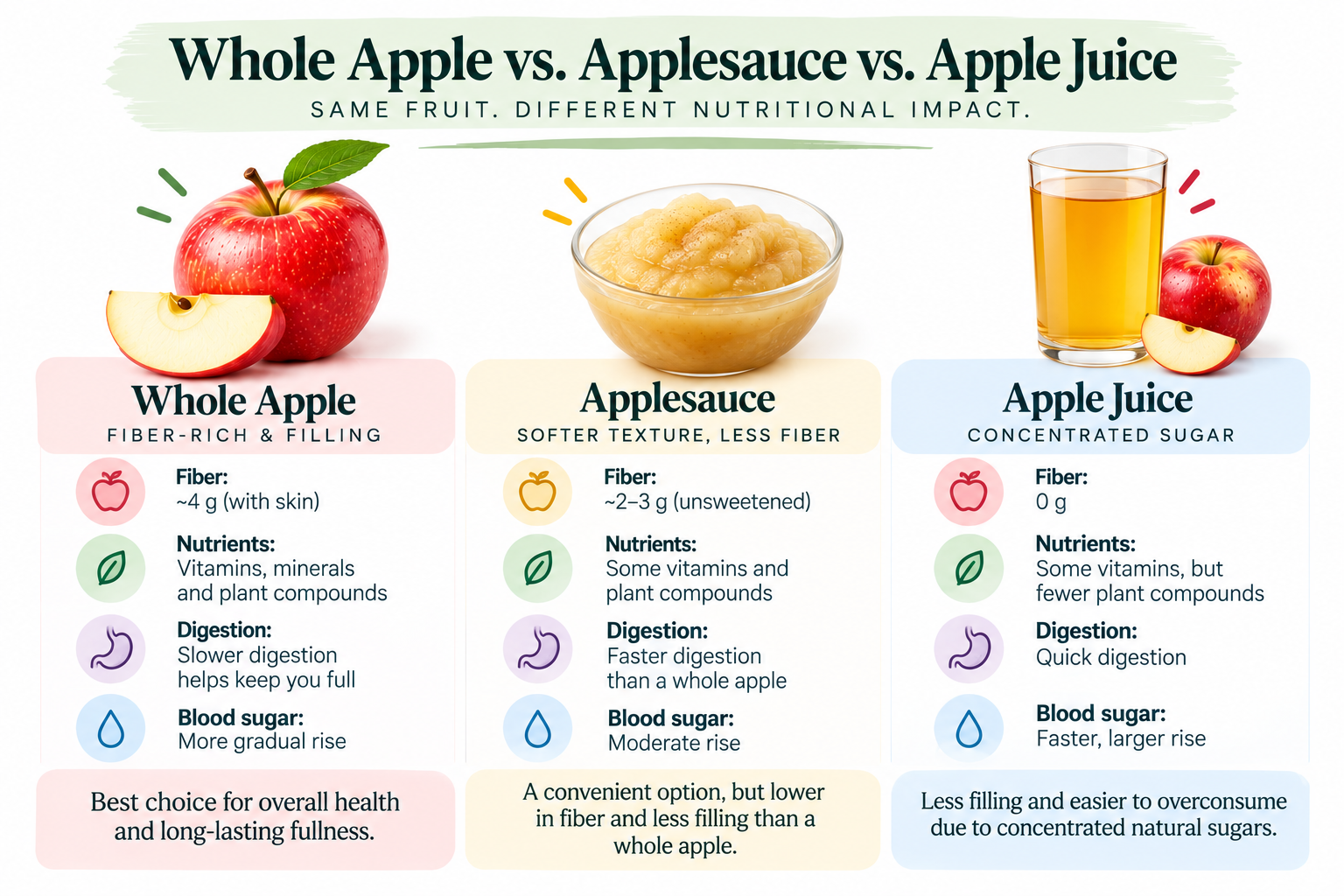
6. Whole Apples vs. Applesauce vs. Apple Juice
Not all forms of apples have exactly the same nutritional effect.
Whole apples
Whole apples generally provide the most intact fiber and require more chewing, making them an excellent everyday option.
Unsweetened applesauce
Applesauce can still provide valuable nutrition and can absolutely be part of a balanced diet. Look for unsweetened varieties if you want to avoid unnecessary added sugar.
Because the apple has already been mechanically broken down, applesauce may also be less filling than eating an intact apple for some people.
Apple juice
Juice provides carbohydrates, fluid, vitamins, and some phytochemicals, but contains substantially less fiber than a whole apple.
That doesn't make apple juice “bad.”
It simply means that whole fruit should generally be your primary source of fruit when possible, while juice can fit into the diet in appropriate portions.
7. Should You Eat the Apple Skin?
If you enjoy it, yes.
A substantial portion of an apple's fiber and many of its phytochemicals are found in or near the peel.
Research examining the distribution of phenolic compounds within apples shows that the amount and type of these compounds varies between different apple tissues and apple varieties.
Peeling an apple doesn't suddenly make it unhealthy, however.
If you prefer peeled apples or need them prepared that way for digestive or texture reasons you are still eating fruit and receiving valuable nutrients.
Nutrition doesn't need to be all-or-nothing.
8. Does the Type of Apple Matter?
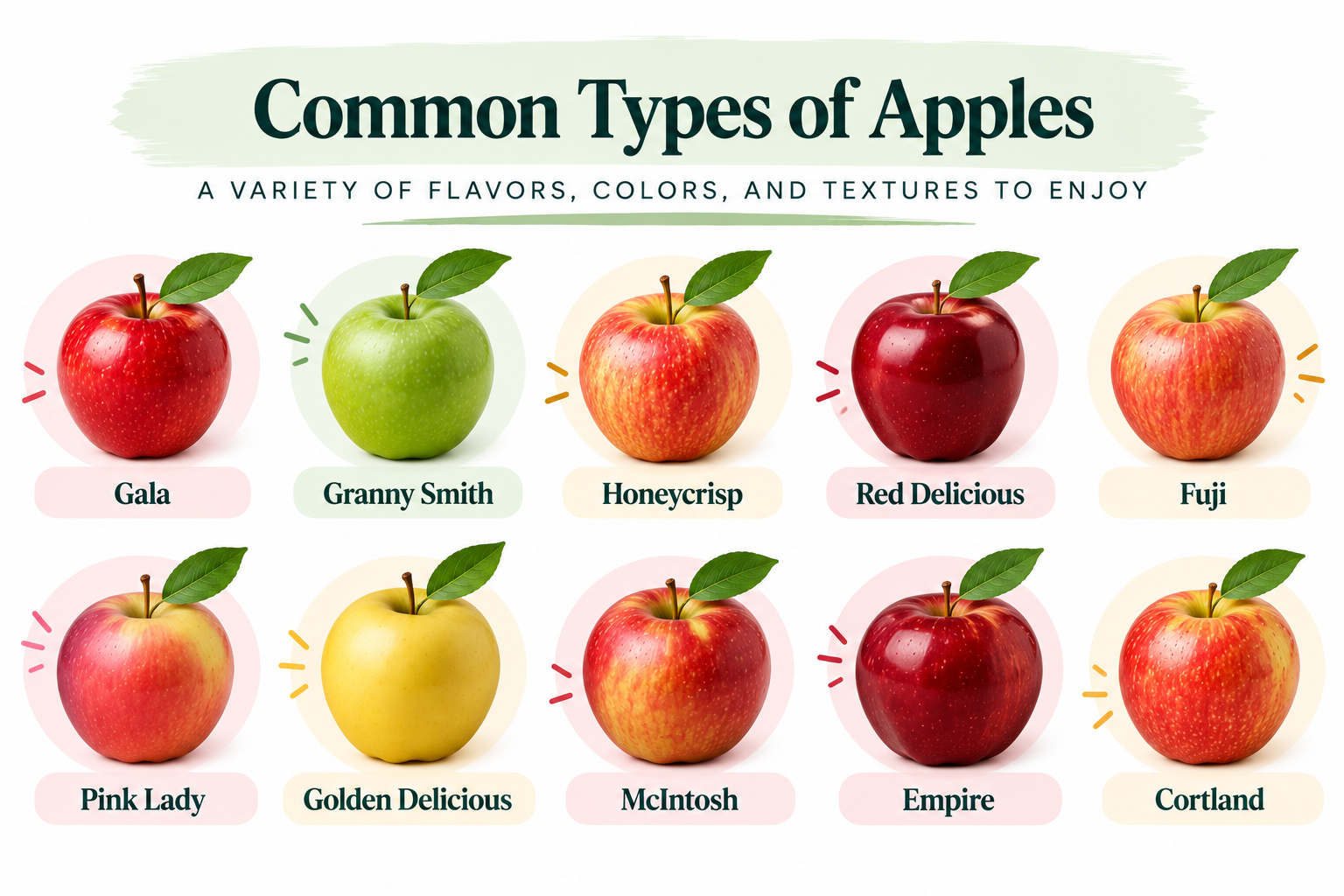
Honeycrisp. Granny Smith. Gala. Fuji. Pink Lady. McIntosh.
Different apple varieties have slightly different concentrations of sugars, acids, fiber, and polyphenols.
But you don't need to hunt down the “healthiest apple.”
The best apple is usually the one you actually enjoy eating.
Different colors and varieties of plant foods contain different combinations of phytochemicals, so eating a variety over time can be beneficial.
Choose based on flavor, texture, availability, and how you plan to use it.
Easy Ways to Add Apples to Your Diet
Apples don't have to be eaten plain.
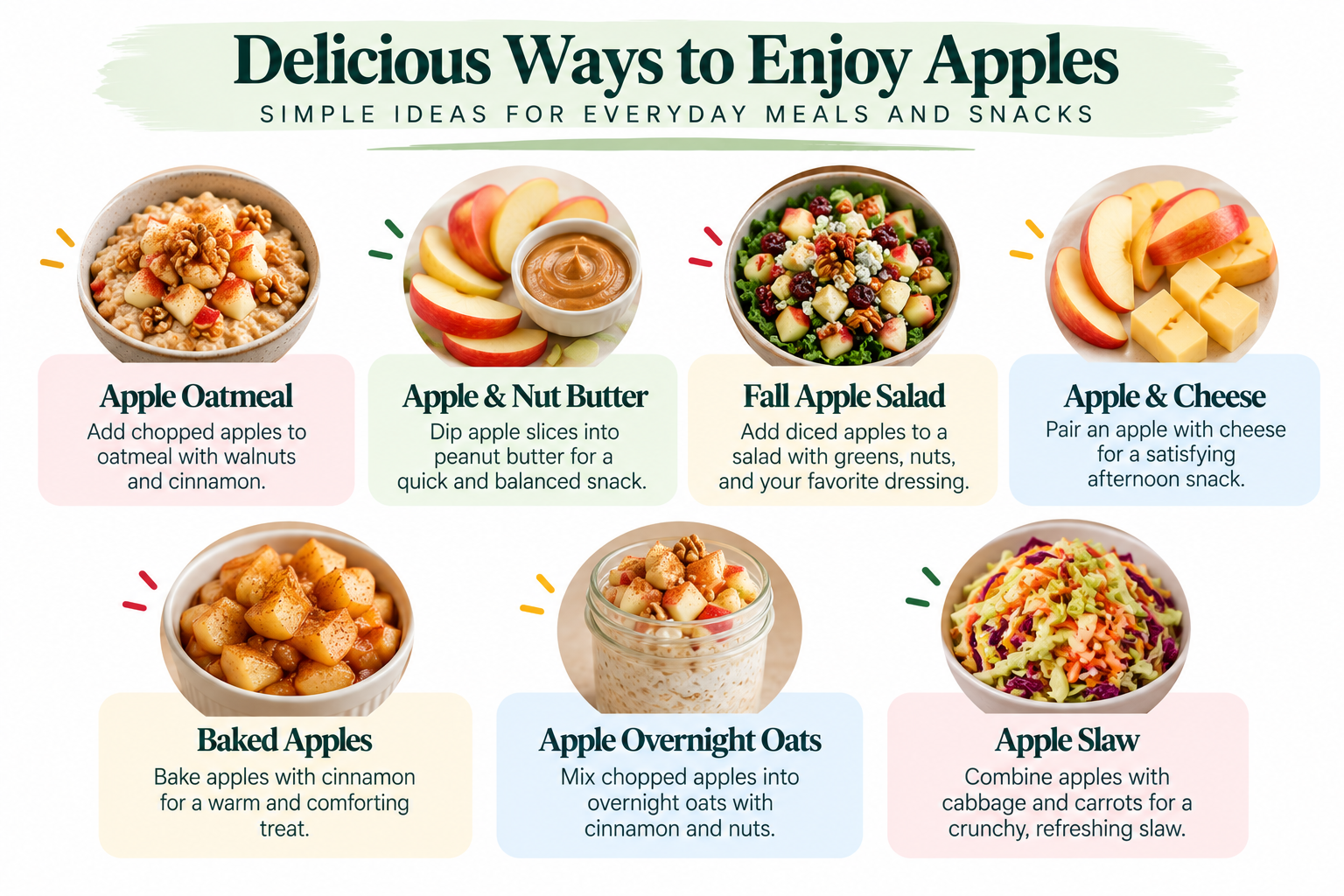
One of the biggest benefits of apples is simply their convenience. They travel well, require very little preparation, and are widely available throughout the year.
So, Are Apples Actually Good for You?
Yes.
Apples provide fiber, water, micronutrients, and a diverse collection of phytochemicals, including polyphenols, that make them a nutritious addition to an overall balanced diet.
Research suggests that apples and their bioactive compounds may contribute to cardiovascular, metabolic, and gastrointestinal health. At the same time, the evidence isn't strong enough to claim that apples independently prevent disease or produce dramatic changes in health.
And that's okay.
A food doesn't need to be miraculous to be nutritious.
The goal isn't to eat an apple every single day because a proverb told us to. The goal is to regularly include fruits, vegetables, whole grains, legumes, nuts, seeds, lean proteins, and other nutrient-dense foods in ways that are realistic and enjoyable for you.
Bottom line: If you like apples, eat them. Keep the peel when you enjoy it, pair your apple with protein or healthy fat when you want a more satisfying snack, and don't fear the naturally occurring sugar in a whole piece of fruit.
Sometimes nutrition really can be that simple.
Frequently Asked Questions About Apple Nutrition
Is it healthy to eat an apple every day?
For most people, absolutely. An apple can contribute fiber, fruit, and beneficial plant compounds to your diet. However, you don't need to eat an apple every day to be healthy. Variety among fruits and vegetables is valuable.
Are apples high in sugar?
A medium apple contains roughly 19 grams of naturally occurring sugar. However, that sugar comes packaged with water, fiber, and other nutrients. The nutritional impact of whole fruit should not be equated with foods containing similar amounts of added sugar.
Which apple is healthiest?
There isn't one universally “healthiest” apple. Different varieties contain different amounts and types of phytochemicals. Choose varieties you enjoy and consider eating a variety over time.
Are apples good for your gut?
Apples contain fermentable fiber, including pectin, as well as polyphenols that interact with the gut microbiome. Human research suggests potential benefits, but more research is needed before claiming that apples specifically produce major or predictable microbiome changes.
Are apples good for weight loss?
They can be. Apples provide fiber, water, and food volume for relatively few calories, which can make them a filling option. However, apples themselves do not cause weight loss.
Is apple juice as healthy as eating an apple?
Apple juice can provide nutrients and phytochemicals, but it contains considerably less fiber and is easier to consume quickly than whole fruit. For most people, whole fruit should make up the majority of fruit intake.
The Takeaway
Apples deserve their place in a balanced diet, not because they “keep the doctor away,” but because they provide a simple combination of fiber, nutrients, water, and beneficial plant compounds.
Instead of labeling foods as good or bad, focus on the bigger picture: variety, balance, consistency, and eating nutrient-dense foods you actually enjoy.
References
Del Bo’, C., Martini, D., Giancristofaro, A., Rendine, M., Marino, M., Casiraghi, M. C., & Riso, P. (2026). Apples and apple-based products in the modulation of cardiometabolic and functional markers: A systematic review of human intervention studies. Food & Function, 17(13), 5858–5879. https://doi.org/10.1039/D5FO05460E
Kim, S. J., Anh, N. H., Jung, C. W., Long, N. P., Park, S., Cho, Y. H., Yoon, Y. C., Lee, E. G., Kim, M., Son, E. Y., Kim, T. H., Deng, Y., Lim, J., & Kwon, S. W. (2022). Metabolic and cardiovascular benefits of apple and apple-derived products: A systematic review and meta-analysis of randomized controlled trials. Frontiers in Nutrition, 9, 766155. https://doi.org/10.3389/fnut.2022.766155
Gayer, B. A., Avendano, E. E., Edelson, E., Nirmala, N., Johnson, E. J., & Raman, G. (2019). Effects of intake of apples, pears, or their products on cardiometabolic risk factors and clinical outcomes: A systematic review and meta-analysis. Current Developments in Nutrition, 3(10), nzz109. https://doi.org/10.1093/cdn/nzz109
Zhao, C.-N., Meng, X., Li, Y., Li, S., Liu, Q., Tang, G.-Y., & Li, H.-B. (2017). Fruits for prevention and treatment of cardiovascular diseases. Nutrients, 9(6), 598. https://doi.org/10.3390/nu9060598
Yang, X., Yang, J., Xu, C., & Huang, M. (2021). Systematic review of phenolic compounds in apple fruits: Compositions, distribution, absorption, metabolism, and processing stability. Journal of Agricultural and Food Chemistry, 69, 7–27.
