Remedy or Myth? The Science Behind Home Remedies — Part 4
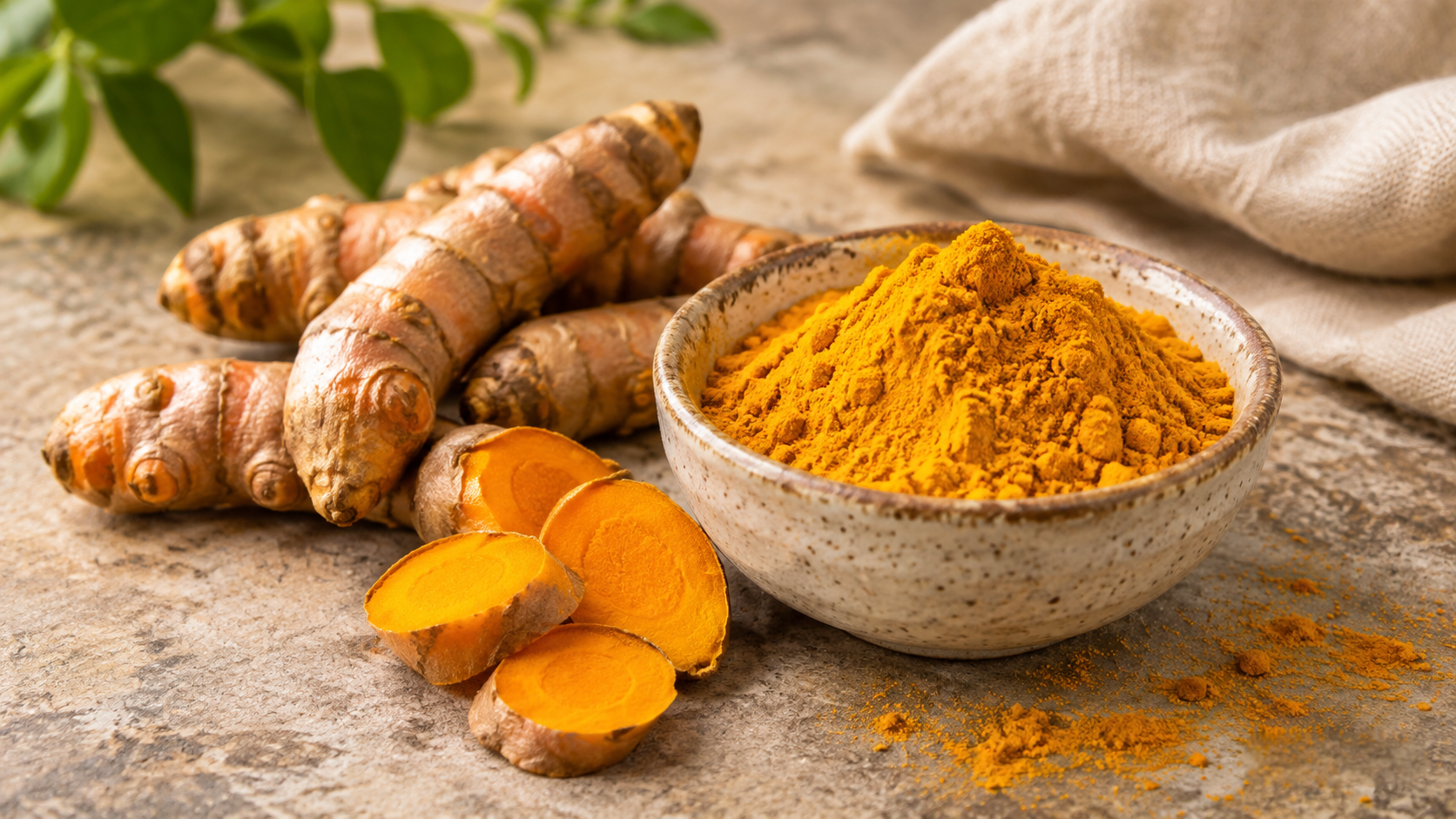
Golden milk, turmeric tea, and curcumin supplements have become increasingly popular.
Many people turn to them when they're feeling sick, hoping to reduce inflammation, strengthen their immune system, or recover faster.
But inflammation isn't always harmful.
In fact, it's an essential part of how the immune system responds to infections.
So does consuming turmeric or curcumin during an illness actually help?
Turmeric vs. Curcumin: What's the Difference?
Turmeric is a yellow-orange spice made from the root of the Curcuma longa plant.
Curcumin is one of the naturally occurring compounds found in turmeric. It belongs to a group called curcuminoids.
Researchers have investigated curcumin for its potential antioxidant and anti-inflammatory activities.
However, eating turmeric in a meal is not equivalent to taking a concentrated curcumin supplement.
Supplements may contain substantially larger quantities of curcuminoids and additional ingredients designed to increase absorption.
What Does Inflammation Actually Do?
Inflammation is often portrayed as something we should eliminate.
However, when you develop an infection, inflammation helps your immune system respond.
Immune cells release chemical signals that coordinate the body's defenses. These responses may contribute to fever, fatigue, and body aches.
Although excessive inflammation can be harmful, normal inflammatory activity is necessary for immune function.
Reducing inflammation does not automatically mean an infection will resolve faster.
To establish that benefit, researchers need to measure outcomes such as symptom severity, illness duration, complications, and recovery time.
What Does the Research Say About Curcumin?
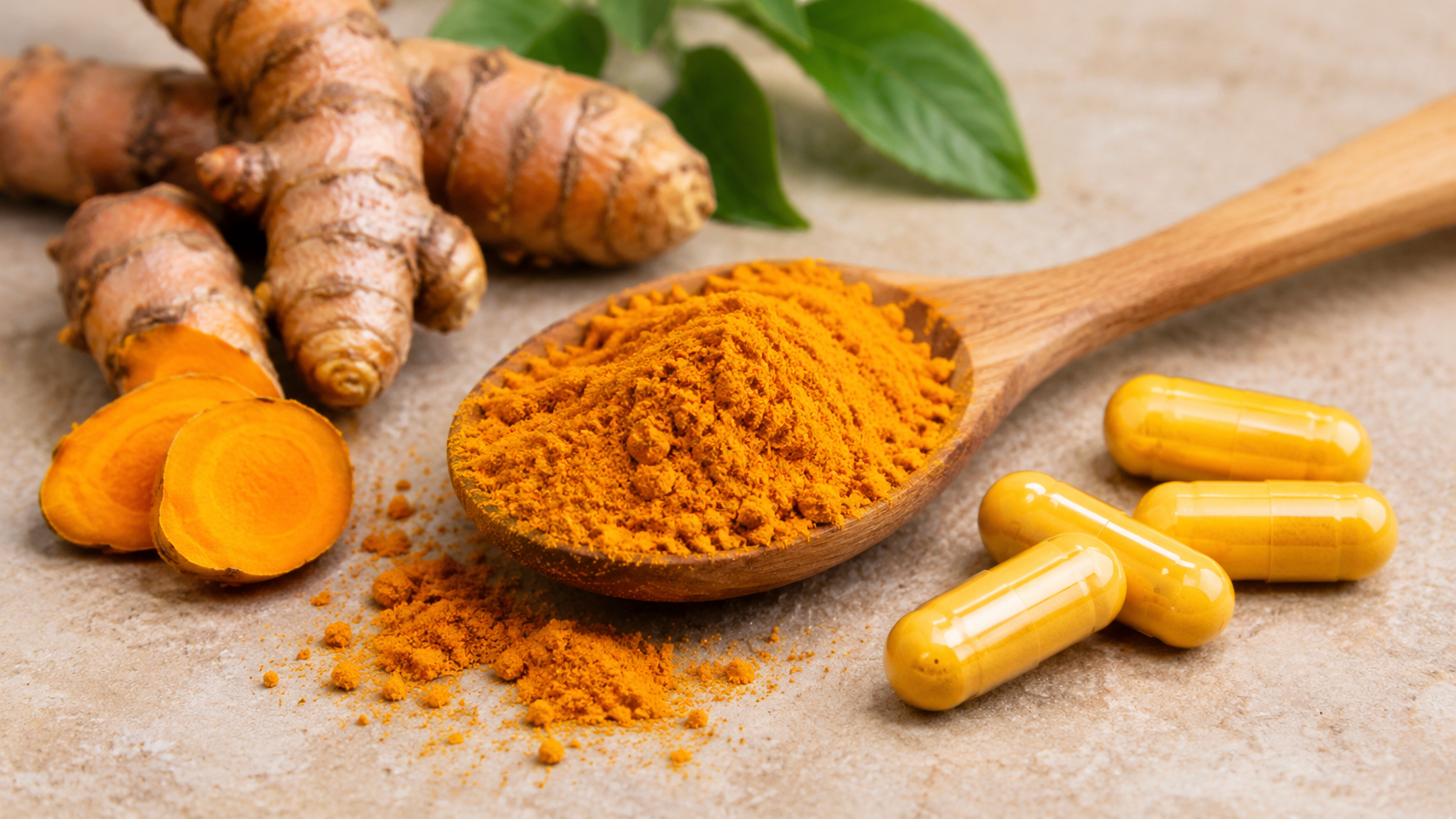
Curcumin has demonstrated anti-inflammatory and antioxidant activities in experimental research.
Human studies have investigated curcumin for several conditions, including osteoarthritis and metabolic disorders.
Some studies suggest possible benefits for particular symptoms, but study quality, product composition, and dosing vary considerably.
The National Center for Complementary and Integrative Health (NCCIH, n.d.) reports that evidence remains insufficient to definitively establish turmeric or curcumin as beneficial for most proposed medical uses.
Most importantly for our discussion, there is insufficient convincing clinical evidence that taking turmeric or curcumin supplements prevents or shortens common colds or influenza.
What About Golden Milk?
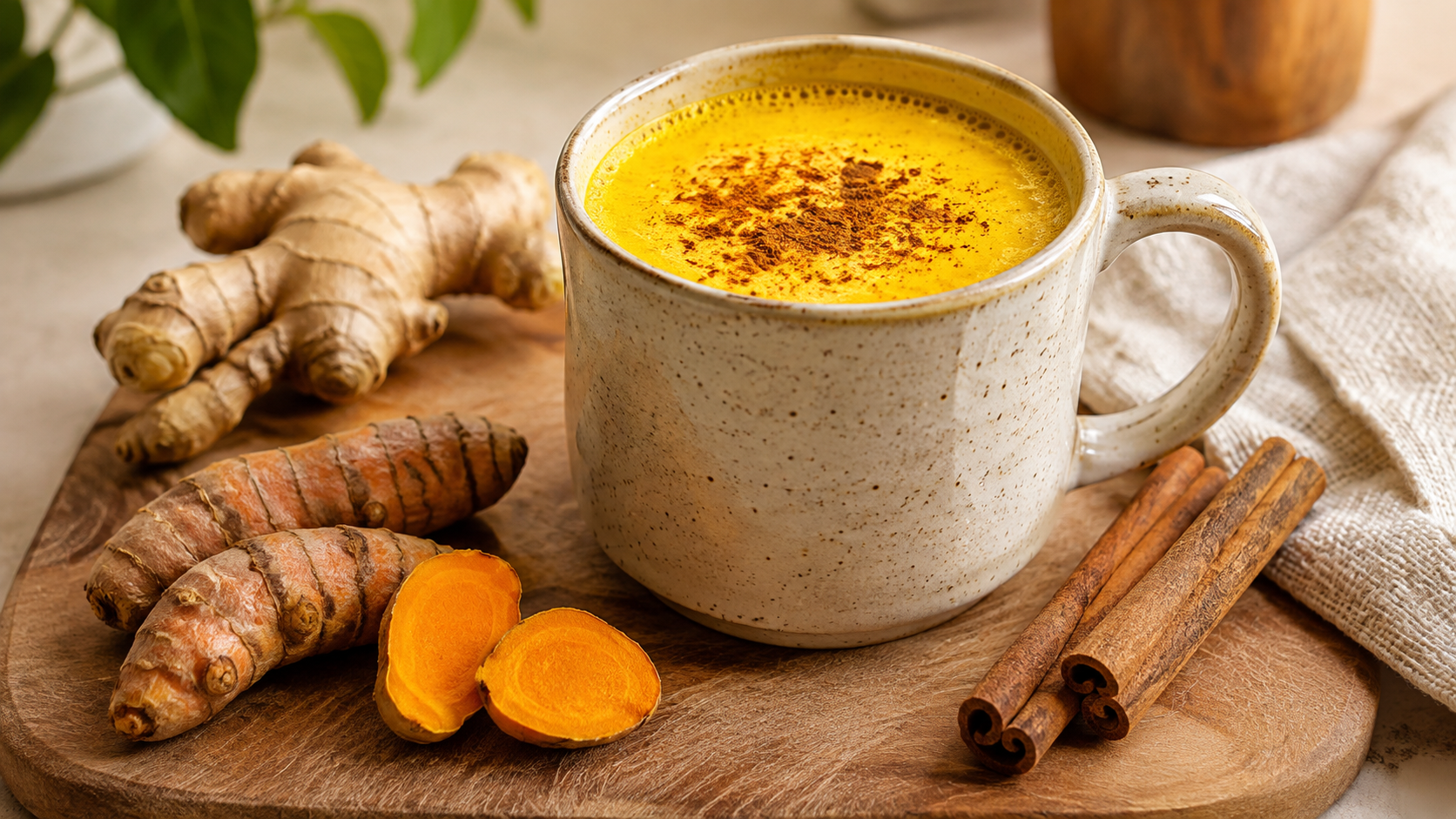
Golden milk typically combines turmeric with milk or a fortified milk alternative and sometimes ginger, cinnamon, or black pepper.
As a warm beverage, it may provide comfort and contribute to fluid intake.
Depending on the ingredients, it may also supply protein, calcium, and other nutrients.
However, there is no good evidence that drinking golden milk eliminates respiratory viruses or significantly shortens an infection.
Enjoying a comforting beverage is different from using it as medicine.
Does Better Absorption Mean Better Results?
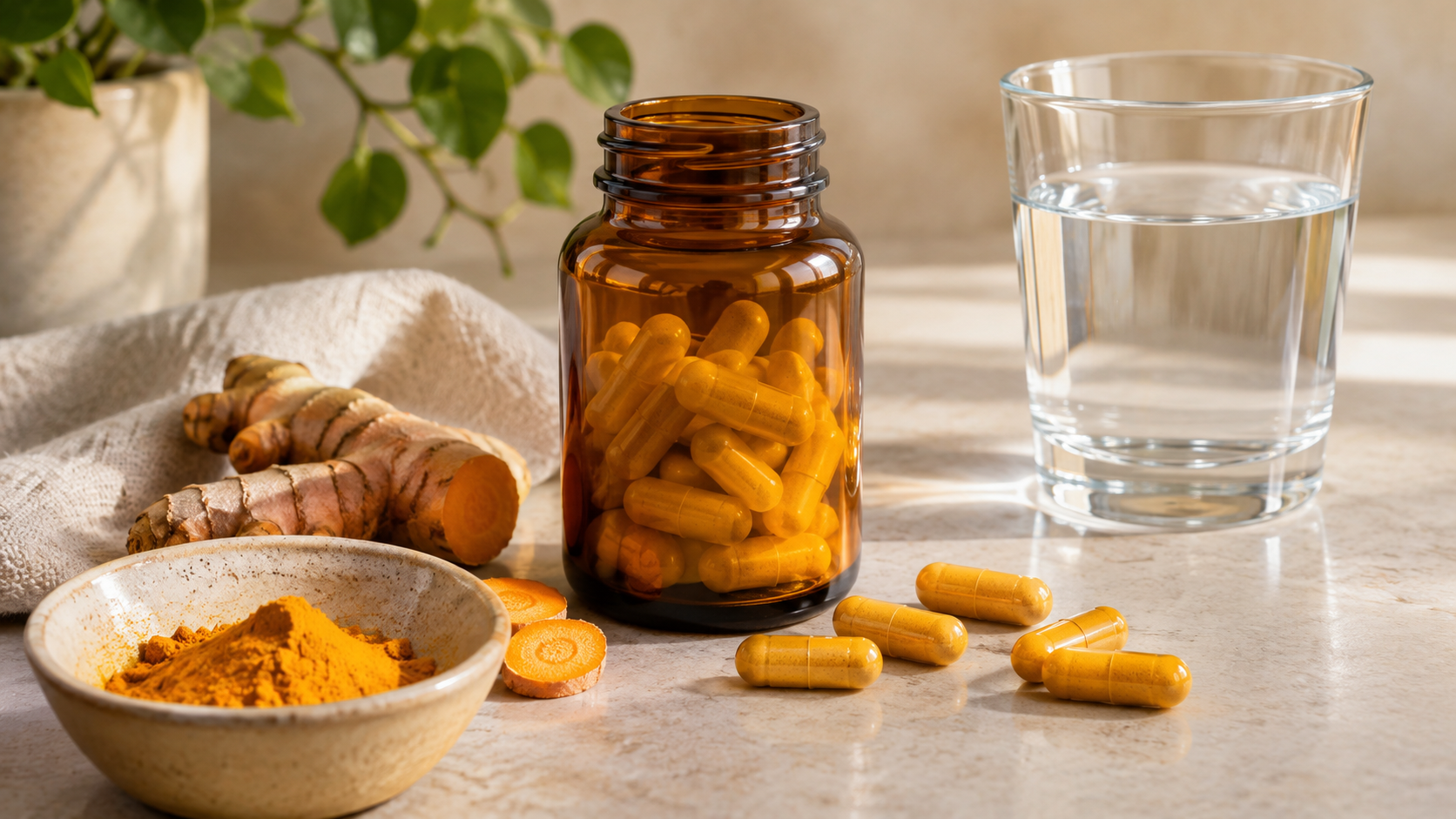
Curcumin has relatively low oral bioavailability.
To address this, manufacturers have developed products that increase absorption.
Some contain piperine, a compound found in black pepper, while others use specialized delivery systems.
Although increased absorption may sound beneficial, it can also change the body's exposure to the compound.
More absorption does not necessarily mean better clinical outcomes or improved safety.
Potential Safety Risks
Liver Injury
Rare but potentially serious cases of liver injury have been associated with turmeric and curcumin products.
The NIH's LiverTox database documents cases involving concentrated supplements, including enhanced-bioavailability formulations. Cases have also been reported with other turmeric preparations (National Institute of Diabetes and Digestive and Kidney Diseases [NIDDK], 2025).
Symptoms may include:
Unusual fatigue
Nausea or poor appetite
Dark urine
Yellowing of the skin or eyes
Abdominal discomfort
If these symptoms develop while taking a turmeric or curcumin supplement, stop the product and seek prompt medical evaluation.
Gastrointestinal Effects
Turmeric and curcumin supplements may cause nausea, reflux, abdominal discomfort, diarrhea, or constipation (NCCIH, n.d.).
Medication Interactions
Concentrated supplements may interact with medications. Formulations containing piperine may also affect how certain drugs are absorbed or metabolized.
People taking anticoagulants, antiplatelet medications, or multiple prescription medications should obtain individualized guidance.
Pregnancy and Breastfeeding
Culinary use of turmeric is different from taking concentrated medicinal doses.
The safety of turmeric supplements during pregnancy and breastfeeding has not been adequately established.
Existing Medical Conditions
Individuals with liver disease, gallbladder or biliary disorders, or other chronic medical conditions should discuss concentrated supplements with their healthcare team.
The Verdict
Evidence rating: Promising for certain applications, but insufficient evidence for treating respiratory infections.
Turmeric is a flavorful spice that can be included in a balanced diet.
Curcumin remains an interesting subject of scientific research, but there is insufficient evidence to recommend supplementation specifically to shorten a cold or improve recovery.
The Bottom Line
Inflammation is not automatically the enemy, particularly during an infection.
A compound that changes inflammatory activity in a laboratory does not necessarily improve clinical outcomes.
Enjoying turmeric in meals or a warm beverage can be part of a nourishing eating pattern.
However, concentrated supplements should not be assumed to offer additional benefits without risks.
Before starting turmeric or curcumin supplements, speak with your physician or pharmacist, particularly if you take medications, have liver or gallbladder disease, or are pregnant or breastfeeding.
References
National Center for Complementary and Integrative Health. (n.d.). Turmeric: Usefulness and safety. National Institutes of Health. https://www.nccih.nih.gov/health/turmeric
National Institute of Diabetes and Digestive and Kidney Diseases. (2025). Turmeric. In LiverTox: Clinical and research information on drug-induced liver injury. National Library of Medicine. https://www.ncbi.nlm.nih.gov/books/NBK548561/
This article is intended for educational purposes and does not replace individualized medical advice, diagnosis, or treatment.
